Discover the best luxury places to stay in the Appalachian Mountains USA, from Asheville boutique hotels to lakeside retreats, high-country inns, and Great Smoky Mountains resorts, with concrete recommendations and practical booking tips.
Best Luxury Places to Stay in the Appalachian Mountains USA
Why the Appalachian Mountains are a smart luxury choice
Mist lifting off a blue ridge at sunrise, the air cool enough to taste, is a very different kind of luxury than a city skyline. The Appalachian Mountains in the USA offer that slower, more tactile kind of indulgence, where the view from your room matters as much as the thread count. For travelers used to coastal resorts or desert retreats, this region is a compelling alternative, especially if you value space, quiet nights, and access to wild landscapes.
The core decision is simple. If you want art, dining, and a walkable downtown paired with mountain scenery, you gravitate toward Asheville in North Carolina. If your priority is seclusion on a lake or a ridge with almost no neighbors, you look to more remote corners of the Blue Ridge and Great Smoky Mountains. Both approaches can deliver some of the best hotels in the Appalachian Mountains USA, but they suit very different guests.
Expect a strong sense of place. Many properties lean into Carolina stonework, timber beams, and deep porches rather than glossy urban minimalism. Rooms and suites often frame the mountains themselves, with balconies facing the ridgeline or terraces that catch the last blue light over the valley. The experience is less about spectacle, more about immersion.
- Best for couples: Intimate inns and boutique lodges with fireplaces, soaking tubs, and long-range views.
- Best for families: Larger resorts with pools, lawn games, and easy access to national park trails.
- Typical nightly rates: Around $250–$400 for upscale hotels, $400–$800+ for top-tier suites in peak season.
Asheville and the Blue Ridge: where culture meets mountain air
On Biltmore Avenue in downtown Asheville, you can step out of a refined hotel lobby and be at a gallery or wine bar in under two minutes. This is the urban heart of the Blue Ridge Mountains, and it is where many discerning travelers start. A hotel located in Asheville North Carolina gives you quick access to the Blue Ridge Parkway, yet you still wake up with an espresso bar downstairs and a serious restaurant within a short walk.
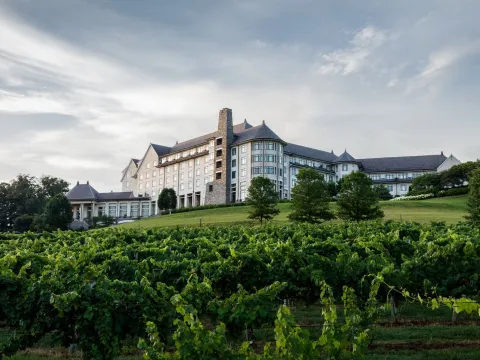
- The Omni Grove Park Inn (Asheville, NC) – Historic resort with a grand stone lobby and panoramic terrace; typically from the mid-$300s per night; about 10 minutes by car from downtown and roughly 20 minutes to a Blue Ridge Parkway access point.
- Kimpton Hotel Arras (Downtown Asheville) – Design-forward boutique hotel with strong food and beverage; often from the high-$200s; steps from Pack Square and about 15–25 minutes by car to popular parkway overlooks.
- Grand Bohemian Hotel Asheville, Autograph Collection (Biltmore Village) – Old-world hunting-lodge aesthetic opposite the Biltmore Estate entrance; usually from the low-$300s; a 5-minute drive to the estate gates and around 15 minutes to central downtown.
Staying near Biltmore Village, just south of the city center, shifts the mood. Here, stone cottages and brick façades echo the nearby Biltmore Estate, and several elegant inns and hotels hide behind mature trees and low walls. Guests who choose this area usually want to split their time between touring the estate, exploring Asheville’s breweries, and driving the ridge roads without sacrificing comfort at night. It is a good compromise if you like history and landscape in equal measure.
For a more residential feel, Asheville North neighborhoods west of the French Broad River offer quieter streets and easy access to the riverfront greenway. Properties here tend to feel more like discreet retreats than downtown addresses. You trade immediate nightlife for calmer nights and faster access by car to the mountains, especially if you plan to check trailheads off the Blue Ridge Parkway most days.
Lake and ridge retreats: privacy, water, and long views
A curve of shoreline on Lake Toxaway at dawn can feel almost Alpine, the water still, the surrounding ridge mountains catching the first light. Luxury inns around this lake in western North Carolina specialize in that lakeside hush. Guests often arrive, park the car, and barely leave the property except for a boat outing or a short hike. If your idea of a perfect night is a drink by the fire after dinner and nothing but tree frogs outside, this is your zone.
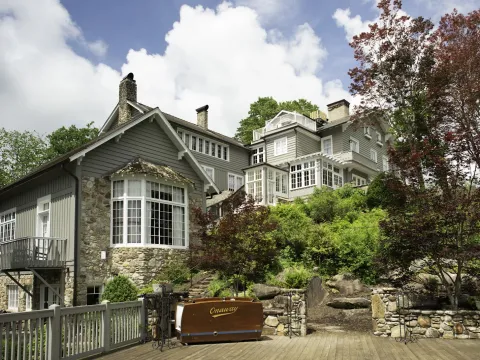
- The Greystone Inn (Lake Toxaway, NC) – Classic lakeside manor with a private feel; commonly from the mid-$300s; set directly on Lake Toxaway with on-site boating and about 30–45 minutes by car to Blue Ridge Parkway access near the Pisgah National Forest.
- High Hampton (Cashiers, NC) – Revived mountain club with a broad lawn and lake; often from the low-$400s; roughly 10 minutes from Cashiers’ small town center and about 45–60 minutes to popular parkway overlooks.
Further north, around Blowing Rock and the high country, altitude changes the experience. Even in midsummer, evenings can be crisp, and many hotels and inns lean into that with stone fireplaces in common rooms and thick blankets in the suites. The town itself, straddling US-321 and Main Street, offers just enough boutiques and cafés to fill an afternoon, but the real draw is the proximity to the Blue Ridge Parkway. You can be at a scenic overlook in under 10 minutes, then back in time for breakfast on a terrace.
Ridge-top properties, whether above Lake Toxaway or near Blowing Rock, tend to prioritize views over immediate access to shops. That trade-off is worth it if you plan to spend long stretches on your balcony or walking private trails. Guests who prefer to stroll to dinner or check out local bars at night may find these locations a bit too removed, so think carefully about how much you truly want to drive once you arrive.
Great Smoky Mountains and national park access
On the Tennessee and North Carolina border, the Great Smoky Mountains feel denser, moodier, and more humid than the higher Blue Ridge around Asheville. Staying near the national park is about proximity to trailheads, waterfalls, and wildlife rather than polished downtown streets. The best hotels in this part of the Appalachian region often sit on large tracts of land, with fields, forest, and sometimes working farms surrounding the main inn buildings.
- Blackberry Farm (Walland, TN) – Iconic countryside retreat with a working farm and destination dining; usually from the high-$900s and above; about 20–30 minutes by car to Great Smoky Mountains National Park entrances near Townsend.
- Blackberry Mountain (Walland, TN) – Contemporary wellness-focused mountain resort with sweeping vistas; typically from the high-$900s; around 30–40 minutes to park access, depending on the trailhead.
- The Swag (Waynesville, NC) – All-inclusive mountaintop inn bordering the park; often from the mid-$800s; direct access to select Great Smoky Mountains National Park trails from the property.
Guests who choose the Smoky Mountains usually want to wake up early, have a substantial breakfast, and be on the trail within the hour. Properties that cater to this rhythm often offer early coffee service, packed snacks, and staff who know the difference between a gentle valley walk and a full-day ridge hike. You are here for the park, not for shopping, and the atmosphere reflects that. Nights are quiet, skies are dark, and the soundtrack is mostly cicadas and distant streams.
Compared with Asheville or Blowing Rock, you will find fewer walkable town centers and more self-contained estates. That can be a strength. If you are traveling with friends or family and want to spend time together on property — by a pond, on a porch, in a small fitness center, or around a fire pit — a Smoky Mountains base works well. If you need multiple restaurant options at your doorstep, you may be happier closer to Asheville or another Blue Ridge town.
What to look for in rooms, suites, and amenities
Mountain luxury is rarely about sheer size; it is about how the rooms and suites frame the landscape. When you check availability, pay close attention to orientation and floor. A modestly sized room with a direct ridge view can feel far more indulgent than a larger suite facing a parking lot. Corner units, top floors, and rooms with balconies or terraces are usually worth prioritizing in the Appalachian Mountains.
Inside, expect a mix of stone, wood, and textiles that nod to Carolina and Appalachian heritage rather than glossy chrome. Many higher-end properties offer gas or wood-burning fireplaces in select suites, deep soaking tubs, and seating areas positioned to face the windows. If you care about wellness, verify whether the hotel has a proper fitness center or simply a small room with a few machines; in mountain regions, that distinction can be significant, especially in winter when outdoor exercise is less appealing.
Breakfast is another detail that separates good from great. Some inns include a cooked-to-order morning service in the room rate, while others treat it as an à la carte extra. Clarify what is included and what falls under additional taxes and fees, particularly if you plan long days in the national park and rely on a substantial first meal. For many guests, a thoughtful breakfast served with a view of the mountains becomes the anchor ritual of each day.
- Best for couples: Prioritize suites with fireplaces, private balconies, and soaking tubs, especially at ridge-top or lakeside retreats.
- Best for families: Look for multi-bedroom cottages, on-site activities such as paddling or lawn games, and flexible dining hours.
- Best for wellness-focused travelers: Seek out properties with full-service spas, yoga or fitness classes, and easy access to hiking trails.
How to choose your base: Asheville vs lake vs high country
Choosing where to stay in the Appalachian Mountains USA is less about a single “best” hotel and more about the right base for your style. A hotel in Asheville North Carolina works best if you want galleries, breweries, and restaurants within walking distance, plus easy day trips along the Blue Ridge Parkway. You accept a bit more bustle in exchange for culture and choice. Nights are livelier, and you can decide on a whim whether to stay in or explore.
Lakeside areas such as Lake Toxaway favor travelers who crave water and quiet. Here, places to stay often feel like private worlds, with docks, canoes, and long lawns sloping down to the shore. You trade quick access to multiple dining options for the pleasure of lingering on property. For couples or small groups who value privacy and long conversations by the water more than variety, this is usually the most satisfying option.
High-country towns like Blowing Rock sit somewhere in between. You get a compact main street, a few excellent restaurants, and fast access to the ridge roads. If your ideal day includes a scenic drive, a hike, and a relaxed dinner you can walk to, this balance works well. Families often appreciate this mix, as it keeps logistics simple while still delivering the drama of the mountains.
- Asheville base: Best for food lovers, brewery-hoppers, and travelers who want nightlife after a day on the parkway.
- Lake base: Ideal for couples’ getaways, honeymoons, and anyone who wants to read, paddle, and linger on a dock.
- High country base: Suits families and mixed-age groups who want a walkable village plus quick access to overlooks.
Practical booking tips for Appalachian mountain stays
Seasonality shapes everything in the Appalachian region. Autumn along the Blue Ridge and Great Smoky Mountains is spectacular, but it also means that the best hotels and inns can fill months ahead. Always check availability early if you are targeting peak foliage or long holiday weekends. Spring and early summer can be gentler, with fewer crowds and softer light on the ridges.
When comparing hotels, look beyond headline rates. In mountain destinations, taxes and fees can vary significantly between counties and states, and some properties bundle breakfast, parking, or resort amenities into the nightly rate while others separate every line item. For a clear picture, consider the full cost of a two or three night stay, not just the base rate per night. This is especially relevant if you are booking multiple rooms or suites for a group.
Finally, match the property’s setting to your actual plans. If you intend to spend most of your time inside a national park, staying closer to the entrance will save you an hour of driving each day. If you want to explore Asheville’s food scene, choose a hotel located in or near downtown or Biltmore Village rather than a distant ridge. The Appalachian Mountains reward travelers who align their base with their priorities; when you do, the experience feels effortless.
What are the best areas to stay in the Appalachian Mountains USA?
For most luxury travelers, the top areas are Asheville and its surroundings in North Carolina, the lake region around Lake Toxaway, the high-country town of Blowing Rock, and the zones bordering the Great Smoky Mountains national park. Asheville offers the strongest mix of culture and scenery, while Lake Toxaway and similar lakeside pockets focus on privacy and water views. Blowing Rock balances a walkable village feel with quick access to the Blue Ridge Parkway. Stays near the Smoky Mountains prioritize immersion in nature and proximity to trails over nightlife.
Is Asheville a good base for exploring the Blue Ridge Mountains?
Asheville is one of the most practical and rewarding bases for exploring the Blue Ridge Mountains. The city sits close to key access points for the Blue Ridge Parkway, so you can reach overlooks and trailheads quickly by car. At the same time, a hotel Asheville side gives you restaurants, galleries, and bars within walking distance, plus easy visits to landmarks such as the Biltmore Estate and Biltmore Village. Travelers who want both mountain drives and an urban dining scene usually find Asheville the best compromise.
How many nights should I plan for an Appalachian mountain stay?
For a first visit focused on one area, plan at least two to three nights so you can settle into your hotel and still have full days for exploration. A two night stay in Asheville, for example, allows time for a Blue Ridge Parkway drive, a visit to the Biltmore Estate, and an evening in town. If you are combining regions — such as Asheville plus the Great Smoky Mountains — four to six nights is more realistic. Longer stays work well at lake or ridge retreats, where the property itself is a major part of the experience.
Who are the Appalachian Mountains best suited for?
The Appalachian Mountains USA suit travelers who value landscape, fresh air, and a slower rhythm more than constant entertainment. Couples often choose the region for quiet, view-driven stays, while families appreciate the access to national park trails and outdoor activities. Guests who enjoy early mornings, long drives along ridge roads, and evenings by a fire will feel at home. Those who prefer late-night scenes and dense urban energy may be happier limiting their stay to Asheville or pairing the mountains with a larger city.
What should I verify before booking a luxury hotel in the Appalachians?
Before you confirm a reservation, verify the exact location relative to your planned activities, especially distances to the nearest national park entrance or Blue Ridge Parkway access. Check whether your preferred room type guarantees a mountain, lake, or ridge view, as not all rooms in a property share the same outlook. Review what is included in the nightly rate versus what falls under additional taxes and fees, particularly for breakfast, parking, and resort amenities. Finally, confirm whether the hotel offers the level of fitness center, spa, or on-site dining you expect, since options can be more limited in remote mountain settings.