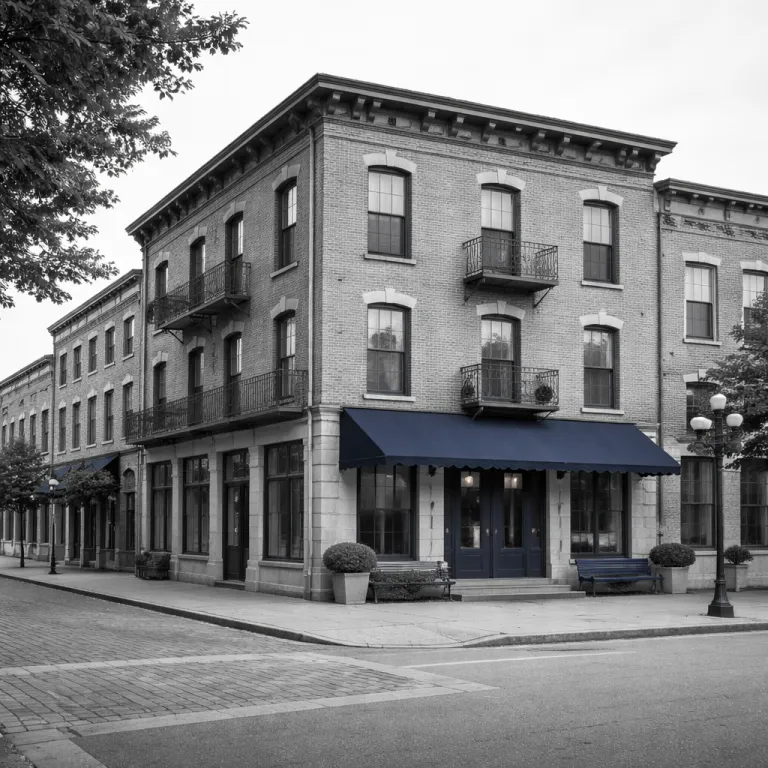
The civic fabric test for american heritage hotels
A real american heritage hotel is less an address than a civic habit. In the United States, the strongest historic hotels function as informal town halls where guests and locals share the same lobby, bar and stories. When you evaluate heritage hotels in America, the first question is simple yet demanding ; does this hotel feel woven into daily life or merely parked beside it.
Three signs separate a truly historic hotel from a themed resort spa that only borrows the language of history. Long tenure among staff, from front desk to spa therapists, signals that the hotel and city have grown together through decades of shared history and change. Deep local supplier chains, from the mountain house bakery to the nearby farm, show that the hotel house economy supports its neighbors rather than importing a worldwide collection of generic luxury products.
The third sign is a visible philanthropic footprint that reaches beyond guests and room revenue. When a hotel in America sponsors the local arts revival, funds historic preservation or underwrites scholarships, it behaves like a civic institution rather than a private resort. Programs such as Historic Hotels of America, created in partnership with the National Trust for Historic Preservation, formalize this idea by recognizing each historic hotel that protects architecture while still operating as a living business. "What is Historic Hotels of America?" and "How does a hotel join the program?" sit alongside "Why stay at a historic hotel?" as guiding questions for travelers who want hotels historic enough to matter.
Five properties where history still sets the table
Some american heritage hotels do more than pass the civic test ; they define it for their regions. The Greenbrier in West Virginia is a grand hotel where congressional history, a Cold War bunker and multi generational staff turn a resort spa into a national conversation about power, secrecy and service. Guests who care about america historic narratives feel that every corridor, from the spa to the casino, carries a story that belongs as much to the country as to the hotel.
On the California coast, the Hotel del Coronado anchors its peninsula like a red roofed lighthouse for Southern California identity. This historic hotel is not just a beachfront resort in the United States ; it is the place where san Diego families mark graduations, where military history meets seaside leisure and where the national imagination of the Pacific shore was shaped. When you compare heritage hotels worldwide, the Del stands out because its history and the city history are almost impossible to separate.
Across the country, The Mansion on Turtle Creek in Dallas turns its dining room into a civic table where business leaders, artists and neighborhood regulars share the same grand house. The Inn at Little Washington in rural Virginia operates as a single property economy, where the inn, the spa style service and the surrounding farms function as one tightly knit system. For travelers planning a heritage focused itinerary, this is where american heritage hotels become a practical tool ; a one night stay can justify the entire trip, and guides such as this detailed overview of America’s heritage hotels where history joins you at breakfast help you choose wisely.
Stewardship, ownership and the fragile thread of place
Heritage status is not a lifetime guarantee ; even the most historic hotels in America can lose their way when ownership changes. The civic thread frays fastest when a new operator treats a historic hotel as a standalone asset rather than a shared trust historic responsibility. You see it when long serving staff at the inn are replaced overnight, when local suppliers are dropped for worldwide chains and when the lobby suddenly feels like an airport lounge instead of a city living room.
Travelers who care about america historic character should watch for subtle warning signs. If the resort spa menu reads the same in san Francisco, santa Fe and Palm Springs, the hotel may be drifting away from its regional roots. When a once grand hotel stops hosting civic events, from union station fundraisers to national trust lectures, and focuses only on private buyouts, it signals a retreat from the public life of the city.
On the positive side, some hotels historic enough to matter are leaning into stewardship with discipline and patience. Restoration projects documented by organizations like Historic Hotels of America show how careful work can revive beaux arts facades, mountain house porches and even a lion inn style tavern without erasing patina. If you want to understand the hidden discipline behind reopening a legacy property, look to in depth analyses such as this guide to how America restores a hotel, which explains why some renovations strengthen the civic bond while others quietly weaken it.
Strengthening the bond: where heritage feels fully alive
Three american heritage hotels currently deepen their bond with place in ways that feel both historic and forward looking. The Greenbrier continues to train staff whose families have worked there for generations, turning the resort into a living archive of stories about congress, war and peace that no museum could replicate. Its use of local springs, regional artisans and long term partnerships with West Virginia producers shows how hotels america can support both history and contemporary livelihoods.
In Yosemite National Park, The Ahwahnee stands as a national park lodge whose architecture and stewardship inheritance embody america historic respect for landscape. Built as a park led project, this hotel historic property treats every guest as a temporary custodian of the valley, from the dining room views to the interpretive programs that explain indigenous history and conservation. The Ahwahnee proves that a national resort can be both a grand hotel and a classroom for environmental ethics without sacrificing comfort.
Back in Texas, The Mansion on Turtle Creek continues to operate as Dallas’s unofficial civic salon. Its house like scale, refined style and attentive spa services attract guests, yet the real draw is the way the dining room functions as a city stage where business, culture and philanthropy intersect. For solo travelers using american heritage hotels as cultural anchors, these properties show how hotels worldwide can feel intimate, historic and socially relevant at the same time, especially when they maintain strong ties to organizations such as the National Trust for Historic Preservation.
Quiet decline: how to read the warning signs as a solo traveler
Not every historic hotel in the United States is strengthening its civic role ; some are quietly slipping into themed nostalgia. You notice it first in the lobby, where framed photos of america historic events feel like props rather than living memories shared by staff and locals. When a hotel in san Francisco or santa Barbara stops attracting residents to its bar and instead fills the room only with transient guests, the civic fabric has already thinned.
Watch the spa and restaurant menus for clues about whether a resort spa still belongs to its city. If the wine list ignores regional vineyards, if the chef no longer references local history or if the house cocktails could be poured in any hotels worldwide, then the property is drifting toward placeless luxury. Even icons such as the Don CeSar in Florida or a once proud union station hotel can fall into this pattern when branding overwhelms community ties.
For the solo explorer, a practical filter is to ask whether one night at a given inn would justify the journey purely on cultural value. Does the hotel host talks on historic preservation, partner with the national trust or support america historic walking tours that start in the lobby. Resources such as this guide to U.S. hotels where service survives three generations can help you identify properties where multi generational staff, from the spa team to the front desk, still treat the hotel as part of a shared civic project rather than a passing investment.
How to choose american heritage hotels that earn their rates
Choosing among american heritage hotels starts with a mindset ; you are not just booking a room, you are selecting a civic partner for your trip. Before reserving, look beyond glossy photos and ask whether the hotel historic narrative is backed by verifiable ties to the community, such as local hiring, regional sourcing and visible support for cultural institutions. Membership in programs like Historic Hotels of America, which require at least fifty years of operation and documented historic significance, offers one useful filter but should not replace your own judgment.
On arrival, test the depth of local knowledge at the front desk and concierge. A truly historic hotel in america will offer directions not only to national landmarks but also to neighborhood cafés, union station murals, small museums and walking routes that reveal the city history at street level. When staff can explain why the house style of the building matters, from beaux arts details to mountain house porches, you know you are staying somewhere that treats history as a living asset.
Finally, pay attention to how the hotel feels at different hours of the day. In the morning, do locals use the lobby as a meeting place, turning the grand hotel into a shared living room where guests and residents mingle naturally. At night, does the inn host talks on historic preservation, collaborate with the national trust or celebrate america historic milestones in ways that feel authentic rather than staged ; if so, you have likely found one of the rare hotels historic enough to be considered part of the town rather than just a business within it.
FAQ
What is Historic Hotels of America and why does it matter?
Historic Hotels of America is a program that recognizes historic U.S. hotels that are at least fifty years old and have documented historic significance. It operates in partnership with the National Trust for Historic Preservation to promote heritage tourism and protect notable architecture. For travelers, its membership list is a practical starting point when searching for american heritage hotels that take stewardship seriously.
How can I tell if a heritage hotel is truly part of its town?
Look for long serving staff who know the city history personally, not just from a script. Check whether the hotel supports local suppliers, cultural institutions and historic preservation projects in visible ways. A lobby filled with both guests and residents, plus regular civic events, usually signals that the property is structurally part of the community.
Why choose a historic hotel instead of a newer luxury property?
A well maintained historic hotel offers architecture, stories and civic connections that newer properties cannot easily replicate. Guests gain access to regional knowledge, multi generational relationships and spaces that have hosted america historic moments. When the hotel is genuinely embedded in its town, every stay becomes a cultural experience rather than just a comfortable night.
Are heritage hotels always more expensive than other options?
Rates at american heritage hotels vary widely, from modest inns to grand hotels with resort spa facilities. You often pay a premium for prime locations, architectural significance and high service levels. For many solo travelers, a single night at a carefully chosen historic hotel can deliver enough cultural value to justify the higher price.
What should I look for when booking a heritage stay online?
Beyond photos, read how the hotel describes its role in the city and whether it mentions partnerships with organizations like the National Trust for Historic Preservation. Search for evidence of community events, local sourcing and long term staff, not just generic luxury language. Reviews that highlight authentic history, not only amenities, usually point toward properties where the hotel and town still share a strong civic bond.