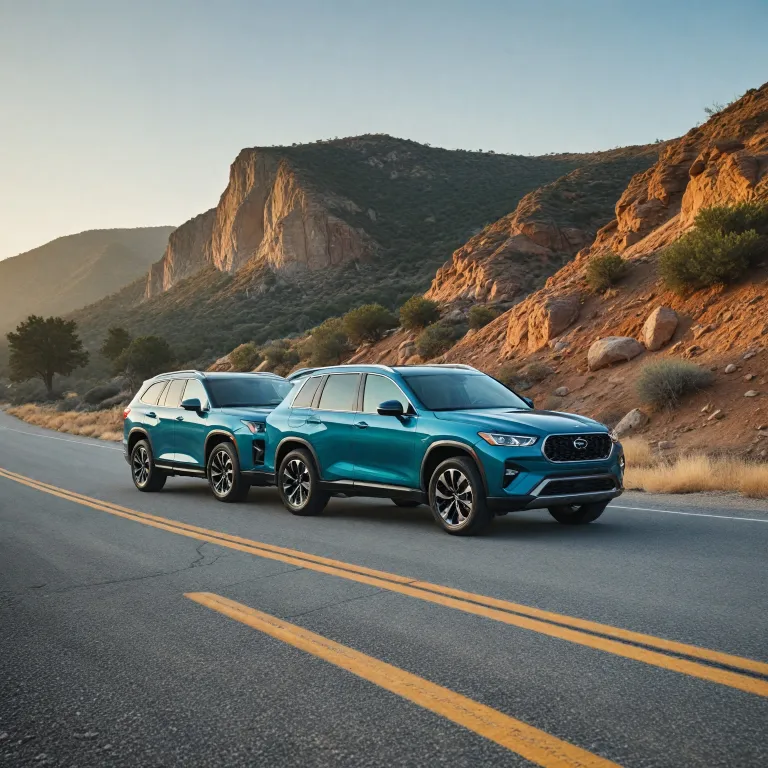
Forester vs Outback for premium road trips in the United States
For American travelers planning refined road journeys between luxury and premium hotels, the forester vs outback comparison quickly becomes central. The Subaru Forester and Subaru Outback both appeal to guests who expect smooth highway comfort, confident all wheel drive, and effortless arrivals at high end properties. When a hotel concierge arranges a transfer or a self drive package, the chosen Subaru model can subtly influence how guests perceive the entire stay.
Both the Forester and the Outback share Subaru’s signature boxer engine layout, which keeps weight low and stability high on winding road sections leading to remote resorts. This horizontally opposed Subaru boxer configuration, used across several trims and model lines, supports a calm cabin experience that pairs well with quiet luxury. For hotel partners, that refinement matters when they design premium offers that bundle airport pick up, scenic drives, and curated excursions.
From a hospitality perspective, the forester vs outback question is less about raw performance and more about how each model supports luggage, comfort, and service standards. The Outback offers more cargo space with 32.6 cubic feet behind the rear seats compared to the Forester's 28.9 cubic feet. That extra cargo capacity in cubic feet can be decisive when guests arrive with multiple suitcases, golf bags, or ski equipment for extended stays. It also shapes how luxury properties plan their inventory of vehicles for VIP transfers and pre owned fleet upgrades.
Cargo space, comfort, and luggage logistics for luxury hotel guests
In the context of luxury and premium hotel booking in the United States, cargo space is not a minor specification. When concierges arrange a forester vs outback transfer for a family staying in a coastal resort, they must anticipate luggage volume, sports gear, and shopping bags from high end districts. The difference in cargo capacity, measured in cubic feet, directly affects whether a single Subaru Outback or Subaru Forester can handle everything in one efficient drive.
The Outback’s larger cargo area behind the rear seats gives it an advantage for multi guest itineraries that include spa weekends, wine country tours, and extended wilderness retreats. However, the Forester’s more upright design can make loading and unloading easier for hotel staff, especially when they manage several pre owned vehicles in their internal inventory. In both models, the rear seats fold to expand cargo space, which is valuable when guests request last minute airport changes or additional road segments.
For premium properties that emphasize seamless service, the choice between forester and outback also influences how bell teams coordinate arrivals. A well planned outback forester mix in the fleet allows hotels to match each model to specific guest profiles and luggage patterns. When a couple books a limited touring stay with curated excursions, a Forester Subaru may suffice, while a larger group might benefit from an Outback Subaru with generous cargo and refined interior features. This operational nuance helps maintain a consistently better guest experience across all transfers.
Ground clearance, wilderness access, and remote luxury retreats
Many luxury hotels in the United States are located near national parks, mountain passes, or coastal wilderness areas that require confident ground clearance. In the forester vs outback comparison, both models offer 8.7 inches of clearance, which is significant for gravel access roads leading to secluded lodges. This shared specification means either a Subaru Forester or Subaru Outback can reach remote properties without compromising underbody safety or passenger comfort.
For hotels that market wilderness experiences with premium amenities, the Outback Wilderness trim and the Forester Wilderness trim become particularly relevant. These specialized trims enhance off road capability while preserving the refined ride that discerning guests expect on longer highway segments. When a property builds offers that include guided drives into protected wilderness, the choice of outback wilderness or its Forester counterpart can shape perceived exclusivity and safety.
Ground clearance also matters for all season operations, especially in snowy mountain regions where wheel drive confidence is essential. Subaru’s symmetrical wheel drive system, paired with the boxer engine, provides stable traction on slippery road surfaces leading to ski resorts and alpine spas. As consumer interest in off road capable vehicles grows, luxury hotels increasingly highlight their Subaru inventory in marketing specials, emphasizing that guests can enjoy rugged landscapes without sacrificing comfort, service, or style.
Powertrains, trims, and assist technology for elevated guest experiences
Under the hood, the forester vs outback comparison reveals subtle but important differences that matter to premium travelers who appreciate engineering. The Forester relies on a single naturally aspirated Subaru boxer engine, while the Outback offers both a base engine and a more powerful turbocharged option. This range of trims and powertrains allows hotels and guests to select a model that balances efficiency, performance, and budget for extended itineraries.
For long distance drives between urban luxury hotels and remote wellness retreats, the Outback’s stronger engine in higher trims can provide more effortless passing and towing. Some guests may prefer the calmer character of the Forester Subaru, valuing its predictable response and slightly more compact feel in dense city traffic. Either way, both models integrate advanced assist technology that supports safety, including systems that help maintain lane position, manage adaptive cruise control, and enhance braking confidence.
These assist technology suites are particularly valuable for international guests who may be unfamiliar with American road layouts and distances. When a hotel packages a test drive experience as part of a premium stay, staff can highlight how Subaru’s safety features reduce fatigue on long road segments. By curating specials that include guided test drive sessions, properties reinforce their commitment to guest wellbeing while showcasing the thoughtful engineering behind every Subaru model in their fleet.
Fleet strategy, pre owned options, and multi property road itineraries
Luxury and premium hotel groups in the United States increasingly design multi property road itineraries that link coastal resorts, desert retreats, and urban landmarks. In this context, the forester vs outback decision becomes a strategic fleet question that balances acquisition cost, reliability, and guest expectations. Many properties integrate a mix of new and pre owned Subaru vehicles, including the Subaru Crosstrek and Subaru Ascent, to complement their core Forester and Outback inventory.
Pre owned Forester outback combinations can offer excellent value for hotels that want to expand their transfer capacity without compromising quality. Because Subaru emphasizes durability and consistent service intervals, these vehicles remain attractive for several years, especially when maintained with genuine parts. Fleet managers often review online configurators, click expand on trim details, and compare features to ensure each model aligns with specific guest segments and stay patterns.
For wellness focused properties, partnering with platforms that highlight luxury wellness hotels in the United States can amplify visibility and justify investment in higher trims. A curated article on a site dedicated to luxury wellness hotels in the United States can, for example, emphasize how Subaru’s wheel drive systems support safe access to remote spas and retreats. By aligning fleet choices with marketing narratives, hotels create coherent stories where every Subaru Outback, Forester Subaru, or Outback Subaru reinforces the promise of effortless, elevated travel.
From cargo to comfort: aligning Subaru models with luxury guest profiles
Ultimately, the forester vs outback conversation for luxury and premium hotel booking in the United States is about aligning vehicles with distinct guest profiles. Solo travelers or couples on shorter city to resort routes may find the Subaru Forester perfectly suited to their needs, appreciating its maneuverability and efficient use of interior space. Larger groups, families, or guests traveling with extensive luggage often benefit from the Subaru Outback, whose cargo space and towing capacity support more complex itineraries.
When hotels design offers that bundle accommodation, curated dining, and scenic drives, they can specify whether a Forester Subaru or Outback Forester will be used. Clear communication about cargo capacity in cubic feet, ground clearance in inches, and available features helps guests select the model that feels better for their plans. Some properties even provide side by side forester outback comparisons on their booking pages, allowing travelers to click expand on specifications and understand how each model supports their journey.
As demand grows for vehicles that combine wilderness capability with refined comfort, Subaru’s portfolio, including the Subaru Crosstrek and Subaru Ascent, gives hotels additional flexibility. By maintaining vehicles with genuine parts and consistent service, properties ensure that every test drive, transfer, and excursion reflects their commitment to safety and excellence. In this way, the careful choice between Forester, Outback, and related Subaru models becomes an integral part of the luxury hospitality experience across the American road network.
Key quantitative insights for comparing Subaru Forester and Outback
- Outback base engine output is rated at 182 hp, while the Forester engine delivers 180 hp, offering similar performance for most hotel transfer scenarios.
- Fuel efficiency figures for both models are aligned at approximately 26 mpg in city driving and 33 mpg on highways, supporting long distance itineraries between properties.
- The Outback provides about 32.6 cubic feet of cargo capacity behind the rear seats, compared with roughly 28.9 cubic feet in the Forester, which benefits luggage heavy guests.
- Maximum towing capacity reaches around 3,500 lbs for the Outback and about 3,000 lbs for the Forester in its most capable trims, relevant for properties that support trailer based activities.
- Ground clearance stands at approximately 8.7 inches for both models, enabling reliable access to remote resorts and wilderness lodges on uneven roads.
Frequently asked questions about Subaru Forester and Outback for hotel travel
Which Subaru model offers more cargo space?
The Outback offers more cargo space with 32.6 cubic feet behind the rear seats compared to the Forester's 28.9 cubic feet. For luxury hotels coordinating airport transfers or multi day excursions, this additional cargo capacity can accommodate larger suitcases, sports equipment, and shopping bags. As a result, many properties favor the Outback for families or groups with extensive luggage.
Does the Forester have a turbocharged engine option?
No, the Forester comes with a single 180 hp 2.5 liter flat four engine and does not offer a turbocharged option. This straightforward powertrain simplifies maintenance for hotel fleets and supports predictable fuel consumption across varied routes. Guests who prioritize stronger acceleration may instead select higher Outback trims that include a turbocharged engine.
Which model has a higher towing capacity?
The Outback has a higher maximum towing capacity of 3,500 lbs, while the Forester's maximum is 3,000 lbs in the Wilderness trim. For hotels that organize activities involving trailers, such as boat launches or equipment transport, this difference can influence fleet planning. However, both capacities are generally sufficient for most hospitality related towing needs in premium travel contexts.
References: Car and Driver, MotorTrend, Subaru of Fort Myers