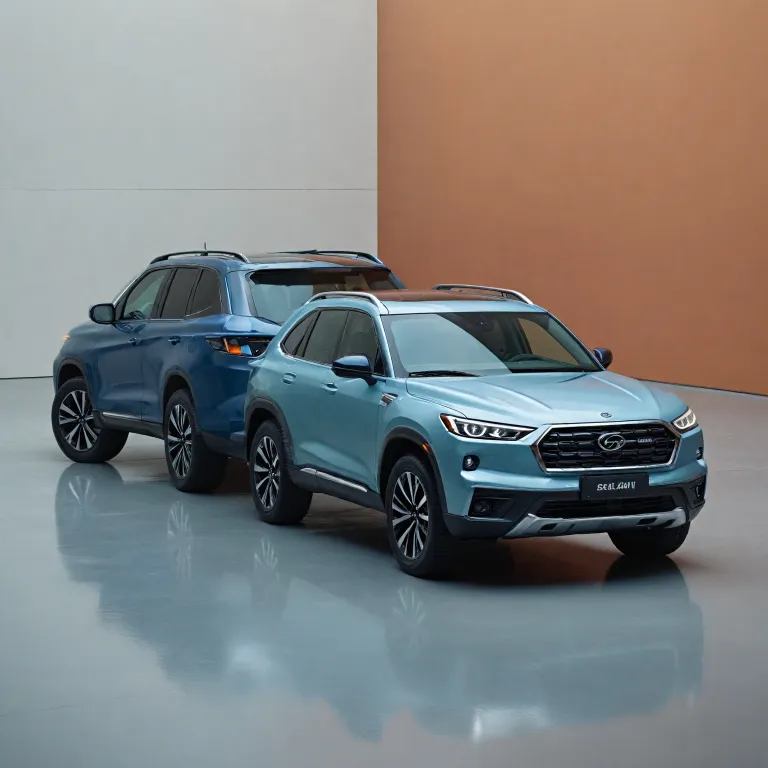
How Honda Passport vs Pilot mirrors the way Americans really travel
For many American travelers, the question of Honda Passport vs Pilot feels surprisingly similar to choosing between two premium hotel categories. One Honda SUV emphasizes generous space and family practicality, while the other leans into adventure ready character that suits road trips to national parks and coastal resorts. Understanding how each model supports long distance drive comfort, luggage needs, and in car technology is essential for travelers who treat their vehicle like a mobile suite.
Both the Honda Pilot and Honda Passport share a common engineering philosophy, yet their roles differ as clearly as city hotel and resort experiences. The three row Honda Pilot offers seating for up to eight, while the two row Honda Passport focuses on five passengers and a more open passport interior with extra cargo flexibility. When travelers compare passport pilot choices, they are really deciding how often they need a third row versus a more relaxed second row with generous legroom.
From a hospitality inspired perspective, the cabin layout matters as much as engine specifications or mpg ratings. The second row and available third row in the Pilot create a social lounge like environment, whereas the pilot passport configuration favors couples or smaller families who value quiet comfort. In both models, front seats can be heated, and higher trims add amenities that echo premium hotel suites, such as refined materials, advanced climate system controls, and intuitive infotainment interfaces for every row Honda occupant.
Cabin comfort, interior space, and the hospitality mindset
When travelers evaluate Honda Passport vs Pilot, they often start with interior space because it directly shapes every journey. The Honda Pilot offers three row seating, with a second row that can be configured for captain chairs or a bench, while the third row accommodates extra guests or children. By contrast, the Honda Passport limits itself to two rows, yet this passport interior layout creates a more open feel that many couples and small families appreciate during long interstate drives.
In practical terms, the Honda Pilot provides about 18.6 cubic feet of cargo space behind the third row, expanding dramatically when those seats fold flat. The Honda Passport, with no third row, delivers around 41.2 cubic feet behind its rear seats, which is a significant advantage when travelers pack large suitcases, sports gear, or premium shopping bags from urban stays. For travelers comparing pilot passport options, this difference in cubic feet can be as decisive as choosing between a standard room and a spacious suite.
Comfort features in both models echo the expectations of guests booking luxury and premium hotels across the United States. Heated front seats are widely available across trims, and higher trim levels add leather upholstery, refined ambient lighting, and upgraded sound systems that make highway cruising feel like a private lounge. Whether you select a pilot honda or passport honda, the emphasis on quiet cabins, supportive seating, and thoughtful storage solutions reflects a hospitality mindset that values every kilometer of the journey.
Technology, connectivity, and safety features for road trip peace of mind
Modern travelers comparing Honda Passport vs Pilot expect their SUV to function like a connected hotel suite on wheels. Both the Honda Pilot and Honda Passport integrate smartphone friendly interfaces, including Android Auto and Apple CarPlay, which allow guests to mirror navigation, playlists, and messaging. Some trims even support carplay android wireless connectivity, reducing cable clutter and making it easier to keep the cabin tidy during extended stays on the road.
Safety features are central to the Honda brand, and both models benefit from the Honda Sensing suite of driver assistance technologies. This system typically includes adaptive cruise control, lane keeping assistance, and collision mitigation braking, which together create a reassuring digital concierge for the driver. For families who regularly shuttle between airports, resorts, and national parks, these safety features can feel as essential as a trusted hotel security team.
Additional driver aids, such as a blind spot system and rear cross traffic monitoring, further enhance confidence when maneuvering in tight urban garages or crowded resort parking structures. The spot system works alongside parking sensors and cameras to reduce stress in unfamiliar environments, which is particularly valuable for guests arriving late at night. Whether you choose a pilot model or a passport model, the combination of connectivity, Honda Sensing technologies, and intuitive infotainment system controls ensures that every drive feels organized, secure, and quietly luxurious.
Performance, engine character, and all wheel drive confidence
Performance in the Honda Passport vs Pilot comparison is less about outright speed and more about refined, predictable power for varied travel scenarios. Both SUVs rely on a smooth V6 engine that balances engine horsepower with reasonable mpg, supporting long distance itineraries without frequent fuel stops. Official data indicates that the Honda Pilot offers around 285 engine horsepower, while the Honda Passport delivers about 280 engine horsepower, a difference that most travelers will barely notice in daily drive conditions.
Fuel efficiency remains a consideration for guests planning cross country routes between luxury hotels and remote retreats. The front wheel drive Honda Pilot achieves an estimated 22 mpg combined, while the all wheel drive Honda Passport returns about 21 mpg combined, which is competitive for midsize suvs. When evaluating passport pilot choices, travelers should weigh the slight mpg differences against the benefits of standard or available AWD for winter mountain passes and unpaved access roads.
All wheel drive capability is especially relevant for the TrailSport trims available on both models, which cater to travelers who frequent ski resorts or desert lodges. The trailsport versions of the pilot honda and passport honda typically add off road tuned suspension, underbody protection, and more aggressive tires for light trail use. For many guests, this blend of refined on road manners, capable AWD system engineering, and consistent towing capacity up to 5,000 pounds creates a reassuring foundation for towing small boats, trailers, or recreational equipment between premium destinations.
Trims, models, and how each SUV fits different travel styles
Choosing between Honda Passport vs Pilot often comes down to how specific trims and models align with personal travel patterns. The Honda Pilot range includes multiple trims that scale from well equipped family transport to near luxury suvs with upscale interiors and advanced technology. In contrast, the Honda Passport lineup is more focused, with trims that emphasize rugged styling, generous cargo, and a passport interior that feels tailored to active couples or smaller households.
For families who frequently travel with grandparents, friends, or children’s classmates, the three row Honda Pilot remains the more flexible model. Its second row and third row seating allow different configurations, and the ability to fold various sections creates a versatile row Honda layout that adapts to luggage, strollers, or sports equipment. Travelers who rarely use a third row may find the pilot passport pairing less compelling, instead favoring the two row Honda Passport for its simpler cabin and easier access to the rear cargo area.
Trim selection also influences amenities such as heated front seats, premium audio, and larger inch touchscreens that enhance the in car experience. Higher trims in both the pilot model and passport model integrate more sophisticated materials, additional safety features, and sometimes unique styling cues that echo the feeling of a club level hotel floor. By carefully matching trims, models, and expected usage, travelers can ensure that their chosen Honda SUV feels like a natural extension of their preferred way to explore the United States.
Cargo space, towing capacity, and practical luxury for long stays
From a hospitality and travel perspective, cargo capacity in the Honda Passport vs Pilot debate is as critical as room size in a premium hotel. The Honda Pilot offers up to about 87 cubic feet of maximum cargo space when both the second row and third row are folded, which suits large families heading to extended resort stays. The Honda Passport, while slightly smaller overall, still provides around 77.7 cubic feet of maximum cargo, making it highly capable for couples or small groups carrying luggage, outdoor gear, or event equipment.
Behind the third row, the Honda Pilot offers more modest space, yet folding that row quickly transforms the interior into a flexible cargo hold. The Honda Passport, with its two row layout, delivers generous cargo even with all seats in use, which many travelers find more convenient for weekly airport runs or weekend escapes. When comparing pilot passport practicality, guests should consider how often they travel with a full complement of passengers versus prioritizing luggage and equipment.
Towing capacity further enhances the travel ready nature of both suvs, with properly equipped AWD versions capable of pulling up to 5,000 pounds. This allows owners to tow small campers, watercraft, or cargo trailers, effectively extending their living and storage space beyond the vehicle itself. For travelers who view their Honda Pilot or Honda Passport as part of a broader lifestyle system that includes outdoor recreation and extended stays, this combination of towing capacity, flexible cargo, and refined interior comfort delivers a quietly luxurious form of freedom.
How Honda Passport vs Pilot choices influence premium hotel booking behavior
For guests using luxury and premium hotel booking websites in the United States, the Honda Passport vs Pilot decision subtly shapes how they plan itineraries. Travelers driving a three row Honda Pilot may be more inclined to book multi room suites or connecting rooms, mirroring the vehicle’s emphasis on group travel and shared experiences. Those in a Honda Passport, with its two row layout and more open passport interior, often prioritize properties that emphasize design, wellness, and proximity to outdoor activities.
Parking considerations at upscale properties also intersect with the choice between these two suvs, especially in dense urban centers. Valet teams appreciate the predictable footprint and maneuverability of both the pilot model and passport model, while guests value the confidence provided by Honda Sensing and the blind spot system when navigating tight hotel garages. Integrated Android Auto, Apple CarPlay, and carplay android functionality further streamline arrival, allowing drivers to access reservation details, loyalty apps, and navigation without distraction.
Ultimately, the way travelers use their pilot honda or passport honda influences not only where they stay but how they experience each destination. Families leveraging the second row and third row seating in the Pilot may seek resorts with extensive kids’ programs, while couples in a TrailSport Passport might favor lodges near trailheads and scenic byways. By aligning vehicle capabilities, from AWD system performance to interior trims and cargo flexibility, with hotel booking strategies, travelers can create a cohesive, premium experience that begins in the driveway and continues seamlessly to the lobby.
Key statistics for Honda Passport vs Pilot
- Honda Pilot seating capacity reaches up to eight persons, supporting larger family and group travel.
- Honda Passport seating capacity is five persons, favoring couples and smaller households.
- Maximum cargo space in the Honda Pilot is about 87 cubic feet with seats folded.
- Maximum cargo space in the Honda Passport is about 77.7 cubic feet with seats folded.
- Honda Pilot engine horsepower is approximately 285 hp, while Honda Passport engine horsepower is approximately 280 hp.
- Both Honda Pilot AWD and Honda Passport offer towing capacity up to 5,000 pounds when properly equipped.
- Combined fuel economy is around 22 mpg for front wheel drive Honda Pilot and about 21 mpg for all wheel drive Honda Passport.
Essential questions about Honda Passport vs Pilot
What are the main differences between the Honda Passport and Pilot?
The Honda Pilot is a three row SUV seating up to eight, offering more cargo space and a slightly more powerful engine. The Passport is a two row SUV seating up to five, with a focus on off road capability and a more rugged design. These distinctions make the Pilot better for larger groups, while the Passport suits travelers who prioritize open cargo space and adventurous styling.
Which Honda SUV is better for families?
The Honda Pilot, with its three row seating and larger cargo capacity, is generally better suited for larger families needing more space. Its flexible second row and third row configurations allow parents to balance passenger comfort with luggage requirements. Families who rarely fill all seats may still consider the Honda Passport, but the Pilot remains the more versatile choice for complex family travel.
Is the Honda Passport suitable for off road driving?
Yes, the Honda Passport, especially in its TrailSport trim, is designed with off road capabilities, featuring higher ground clearance and all terrain tires. While it is not a dedicated rock crawler, it handles unpaved roads, light trails, and snowy conditions with confidence when equipped with AWD. This makes the Passport an appealing option for travelers who frequently visit mountain resorts, lakeside retreats, or remote lodges.