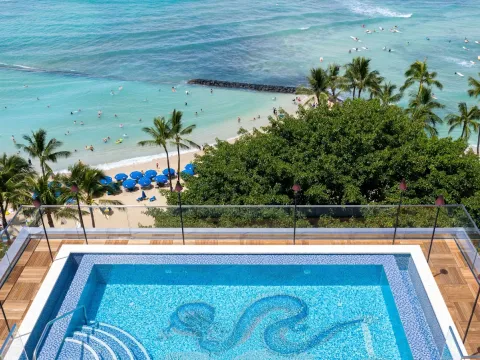
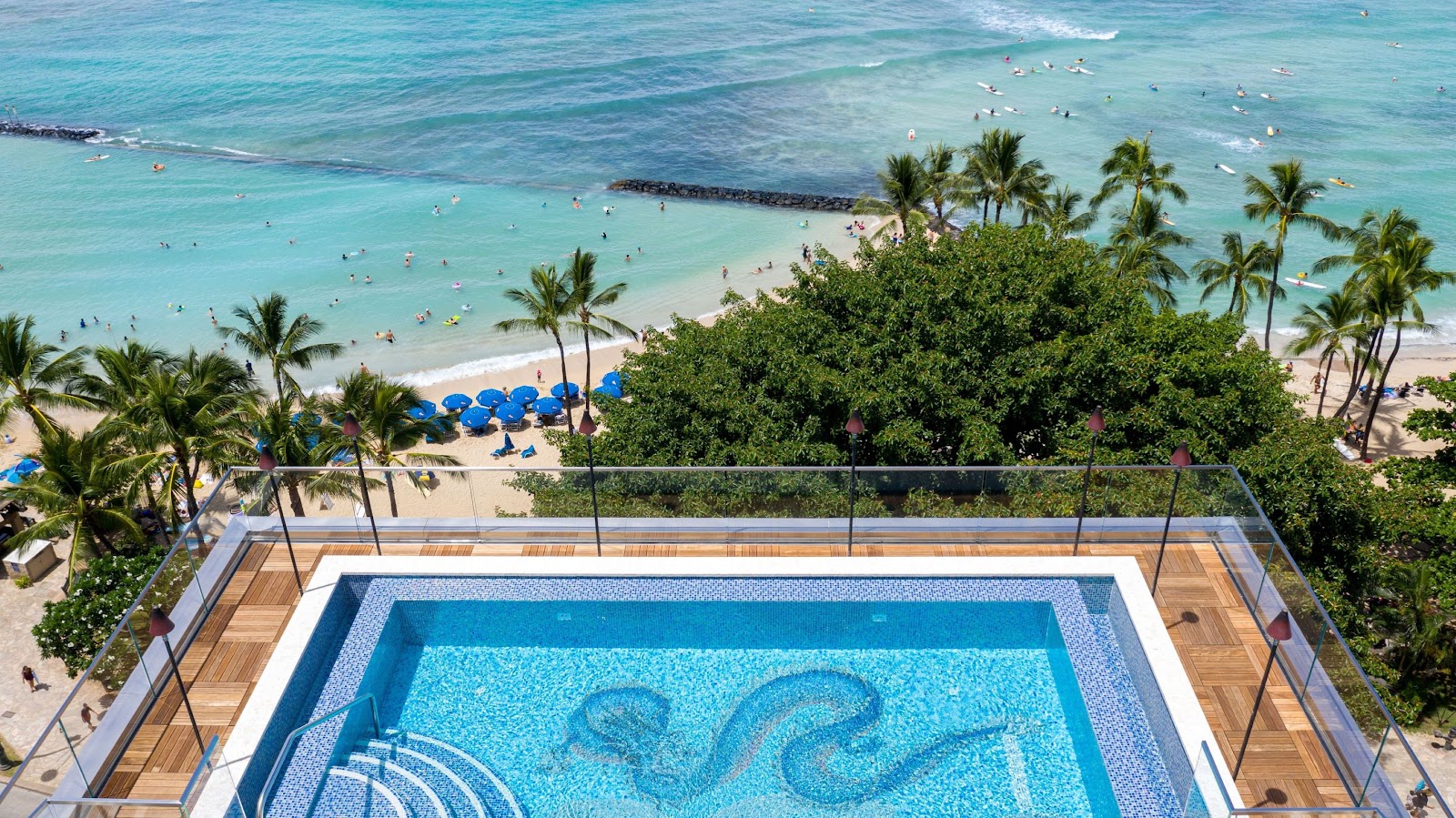
Plan a luxury hotel stay on Oahu, Hawaii with this concise guide to Waikiki, Honolulu, and the North Shore, including room types, resort life, fees, parking, and the best times to visit.
How to Choose the Best Luxury Hotel on Oahu, Hawaii
Why Oahu is a smart choice for a luxury stay
Ocean light hits differently on Oahu. The island combines the energy of a major city with the slow rhythm of the Pacific, which makes it unusually versatile for a luxury hotel stay. You can spend the morning at a museum in Honolulu Hawaiʻi and be watching surfers on the North Shore by late afternoon.
For travelers used to the mainland United States, Oahu feels immediately legible. There is a real urban grid in Waikiki Honolulu, valet lines that move, resort parking that actually works, and a hospitality culture trained on high-expectation guests. Yet step off Kalākaua Avenue by a single block and you are on a quiet stretch of sand, the city noise replaced by trade winds and outrigger paddles.
Oahu is a good choice if you want more than a beach. Top hotels here lean into cultural programming, spa fitness rituals, and curated excursions rather than just poolside cocktails. If you are looking for a secluded honeymoon cocoon with no decisions to make, another island might suit you better. If you want a polished hotel resort base with options every night, Oahu is the island that delivers.
| Area |
Typical drive from HNL airport* |
Vibe |
| Waikiki / Honolulu |
20–30 minutes in light traffic |
Urban beachfront, dining and nightlife |
| Ko Olina (west side) |
30–40 minutes |
Master-planned resort lagoons, family-friendly |
| North Shore (Turtle Bay area) |
60–75 minutes |
Relaxed, nature-forward, surf-focused |
*Times are approximate and depend heavily on traffic.
Choosing your area: Waikiki, Honolulu, or the North Shore
Kalākaua Avenue in Waikiki is where many first-time guests land. High-rise hotels line the curve of Waikiki Beach, with rooms and suites stacked above a constant flow of restaurants and luxury boutiques. Stay here if you want to walk everywhere, from sunset mai tais to late-night ramen on Kūhiō Avenue, and do not mind sharing the sidewalk with other visitors.
Downtown and residential Honolulu feel different. Around South King Street and Ward Avenue, resort Honolulu options thin out, replaced by offices, galleries, and local eateries. A hotel located just outside the core of Waikiki can offer more space, quieter nights, and easier access to cultural sites such as ʻIolani Palace or the memorials near Pearl Harbor, while still keeping the beach within a short drive.
The North Shore is another world again. Past Haleʻiwa, the road narrows and the landscape opens to surf breaks and pastureland on the way toward Turtle Bay. A stay here suits travelers who prioritize nature, long coastal walks, and watching waves rather than shopping. You trade immediate access to Honolulu Hawaiʻi dining for empty dawn beaches and star-filled nights.
| Neighborhood |
Who it suits |
Typical nightly range (luxury) |
| Central Waikiki |
First-time visitors, nightlife fans |
~$400–$900+ |
| Diamond Head end of Waikiki |
Couples, quieter stays |
~$500–$1,200+ |
| Ko Olina / west Oahu |
Families, resort-focused trips |
~$500–$1,000+ |
| North Shore |
Nature lovers, surfers |
~$600–$1,200+ |
What to expect from luxury rooms and suites on Oahu
Room categories on Oahu are not just about size. View and orientation matter as much as square meters. An oceanfront room facing west over Waikiki Beach delivers fiery sunsets and city lights at night, while a Diamond Head–facing room offers softer morning light and a quieter, more residential panorama. Mountain-view rooms can be surprisingly appealing, with green ridges and passing clouds instead of the full glare of the afternoon sun.
In the upper tier, rooms suites combinations often create apartment-like layouts. Expect separate living areas, deep soaking tubs, and lanais large enough for real lounging rather than a token chair. High-end properties on Oahu tend to favor neutral palettes and natural textures over themed décor, which keeps the focus on the Pacific outside the sliding doors.
For discerning guests, the real test is soundproofing and bedding. A five-star hotel on a busy stretch of Waikiki should still deliver a quiet night, even during weekend events on Kalākaua Avenue. Before you book, look closely at photos and videos of the exact room type, not just the headline category, and verify whether the layout matches how you actually live on vacation — especially if you are combining work, family, and beach time in a single stay.
| Room factor |
What to check |
| View |
Oceanfront vs partial ocean vs city or mountain; impact on light and noise |
| Layout |
Separate bedroom, workspace, and lanai depth if you plan to sit outside |
| Noise control |
Recent guest comments about street sound, elevators, and nightlife |
Resort life: pools, beach access, and daily rhythm
Direct beach access is the defining luxury on Oahu. Some properties sit right on the sand, with guests stepping from the pool deck onto the shoreline in a few strides. Others are located across Kalākaua Avenue or another coastal road, which means a short walk to the water and a more urban feel. Decide whether you want to hear waves from your room or prefer the energy of a city-facing hotel with the beach as a destination rather than a front yard.
Pool culture varies sharply. In Waikiki, you often find multi-level pool decks with cabanas, shallow lounging ledges, and adults-only sections that feel almost like private clubs. On the North Shore, the atmosphere is looser and more landscape-driven, with pools that echo natural lagoons and long views toward surf breaks near ʻEhukai. Either way, the best resort experiences on Oahu balance pool time with easy access to the ocean, not one or the other.
Daytime rhythm matters. Some guests want structured activities — outrigger canoe sessions at sunrise, spa fitness classes mid-morning, cultural workshops in the afternoon. Others prefer a simple pattern of beach, lunch, nap, repeat. When you compare hotel resort options, look beyond the headline amenities and ask yourself how you actually want to move through a day, from the first coffee on your lanai to the last drink under the plumeria trees at night.
| Amenity |
Typical Oahu luxury standard |
| Pools |
Infinity or lagoon-style pools, cabanas, and at least one quiet zone |
| Beach setup |
Chairs and umbrellas often included in resort fee; rentals for boards |
| Activities |
Daily fitness, cultural classes, and ocean sports scheduling |
Practicalities: parking, resort fees, and on-site facilities
Driving on Oahu is straightforward, but parking at a hotel in Waikiki Honolulu is rarely casual. Many luxury properties rely on valet-only systems with structured garages tucked behind Kalākaua Avenue or Kūhiō Avenue. If you plan to explore beyond Honolulu Hawaiʻi — to the windward coast, the North Shore, or the memorials near Pearl Harbor — factor in both the cost and the convenience of resort parking, especially if you will be taking the car out daily.
Resort fees are another reality. On Oahu, these often bundle access to the fitness center, beach chairs, refillable water stations, and sometimes cultural classes or use of bicycles. The value depends on how you travel. A guest who spends long days on property, uses the spa fitness facilities, and joins activities will feel differently about these inclusions than someone who is out exploring from dawn to dusk.
Food and beverage structure also shapes the stay. Some hotels include a refined daily breakfast in certain room categories, turning mornings into a slow ritual rather than a scramble to find a café on Kūhiō Avenue. Others keep breakfast à la carte but offer strong all-day dining, which can be more appealing if you plan early excursions to places like the North Shore or the lookout points above Nuʻuanu. In every case, the most satisfying experiences come when the hotel’s facilities match your actual habits, not an abstract idea of resort life.
- Typical resort fee range: roughly $45–$65 per night at upscale Oahu hotels.
- Valet parking range: often about $45–$70 per night in Waikiki and central Honolulu.
- Self-parking: less common at luxury properties in Waikiki; more likely at resort complexes outside the city.
Matching Oahu hotel styles to traveler profiles
Business travelers and short-stay guests often gravitate toward central Honolulu. Being located within a short drive of offices around Bishop Street and the civic buildings near South King Street can matter more than a direct beach frontage. For this profile, a polished city hotel with efficient service, a serious fitness center, and quick access to the airport works better than a sprawling resort on the edge of the island.
Leisure travelers with more time tend to choose between the intensity of Waikiki and the calm of the North Shore. If you like to walk out of your hotel at night and have a dozen dinner options within 500 m, Waikiki Beach is the obvious choice. If your idea of a perfect stay is watching the light change over the ocean near Turtle Bay and driving into Haleʻiwa for shaved ice or fresh poke, the North Shore will feel closer to your ideal Hawaiʻi.
Families and multi-generational groups should look closely at room configurations and shared spaces. Interconnecting rooms, generous suites, and flexible rooms suites setups can make the difference between a smooth trip and a cramped one. Couples, by contrast, may prioritize quieter wings, spa access, and a more intimate pool scene. No single “best hotel on Oahu Hawaii” exists; the right property is the one whose layout, location, and daily rhythm align with how you actually want to live on the island.
| Traveler type |
Good fit |
Key priorities |
| Business / short stay |
Honolulu city hotels near Bishop Street |
Transit time, meeting space, reliable Wi‑Fi |
| Families |
Waikiki beachfront or Ko Olina resorts |
Shallow pools, kids’ clubs, easy dining |
| Couples |
Quieter wings in Waikiki or North Shore |
Privacy, spa access, scenic views |
How to compare and verify before you book
Location pins tell only part of the story. When you compare hotels on Oahu, zoom in on the map to see what actually surrounds the property — is it fronting a continuous stretch of beach, a small cove, or a seawall with limited sand at high tide? In Waikiki, note whether the hotel entrance is on Kalākaua Avenue, Kūhiō Avenue, or a side street; the difference in street noise and pedestrian flow can be dramatic once night falls.
Visual research matters. Study recent photos and videos of the specific room type you are considering, not just the hero images of the top suites. Look for details such as balcony depth, bathroom layout, and whether the fitness center has real training equipment or just a few treadmills. Pay attention to how public spaces are used — a lobby that doubles as a bar can feel vibrant to some guests and chaotic to others.
Finally, read between the lines of guest feedback without obsessing over individual reviews. Patterns are what count. Consistent praise for staff attentiveness, housekeeping, and the overall experience is a strong signal, just as repeated mentions of noise, crowded pools, or underwhelming food should give you pause. On an island where many properties call themselves a star hotel or luxury resort, the details — from how smoothly valet handles a busy evening to how thoughtfully the spa fitness program is curated — are what separate a good stay from a memorable one.
| Check before booking |
Why it matters on Oahu |
| Beach conditions |
Some stretches narrow at high tide or rely on seawalls |
| Resort fee inclusions |
Clarify what is actually covered so you can use it |
| Parking logistics |
Valet-only setups can add time to day trips |
Best time to visit Oahu for a hotel stay
The most balanced periods for a luxury hotel stay on Oahu are typically from April to June and from September to November, when the weather is pleasant and the island feels less crowded. During these shoulder seasons, it is easier to enjoy resort facilities, from pools to fitness centers, without the peak-season intensity. Ocean conditions also tend to be calmer on the south shore in late spring and early fall, which benefits guests focused on swimming and paddling near Waikiki Beach.
Is Oahu better than other Hawaiian islands for a first visit?
For a first trip to Hawaiʻi, Oahu is often the most practical choice because it combines a major city, varied beaches, and a wide range of hotel styles on a single island. You can stay in an urban resort in Honolulu, explore cultural sites such as Pearl Harbor, and still reach the North Shore or windward coast on day trips. Travelers seeking pure seclusion might prefer another island, but for a mix of comfort, access, and choice, Oahu is the most versatile entry point.
Do Oahu hotels offer all-inclusive stays?
Fully all-inclusive resorts are rare on Oahu. Most high-end properties operate on an à la carte basis, with separate charges for dining, spa treatments, and activities. Some hotels do offer packages that bundle daily breakfast or resort credits, which can simplify planning without locking you into a strict all-inclusive structure. If you value flexibility to dine around Honolulu or the North Shore, this model usually works in your favor.
Is it worth renting a car if I stay in Waikiki?
Renting a car in Waikiki is worthwhile if you plan to explore beyond the immediate Honolulu area, especially to the North Shore, the windward coast, or viewpoints above the city. However, you should factor in hotel parking logistics, which often involve valet service and daily charges. If your stay is short and focused on Waikiki Beach, shopping, and nearby dining, you can comfortably rely on walking and local transportation instead of managing a vehicle.
Which Oahu area is best for families?
Families generally do well in areas that combine calm swimming spots with easy access to food and activities, such as the main Waikiki strip or certain sheltered coastal zones outside the city. In Waikiki, being within a short walk of the beach and casual dining on Kūhiō Avenue simplifies daily logistics with children. For families who prioritize space and a slower pace, a resort area away from the densest part of Honolulu can be more comfortable, provided you are willing to drive for dining and excursions.