Why adaptive reuse hotels in the United States feel different
Adaptive reuse hotels in the United States turn constraint into character. When a historic building becomes a luxury hotel, the original bones dictate the rhythm of corridors, the height of ceilings and the drama of public spaces, creating a sense of place no ground up tower can match. For travelers comparing adaptive reuse hotels USA wide, this is the quiet advantage that justifies a higher nightly rate and a longer stay.
Across hotels America has converted from banks, factories and stations, you see the same pattern; the most memorable moments happen where the old structure refuses to behave like a standard suite hotel. A former office floor might become a double height lobby, while a decommissioned station concourse turns into a bar where guests sip martinis beneath original departure boards and stained glass. At properties like the 1912 Union Station in Nashville, reopened as a hotel in 1986 with just over 120 rooms, these reuse projects are not nostalgia plays; they are working buildings that keep historic places in circulation and under the care of expert hospitality teams.
For a solo traveler, the appeal is immediate and practical. You get the intimacy of a small inn or family run property, but with the layered stories of a city embedded in every stair tread and cornice. In the best adaptive reuse hotels USA has produced, such as the former 1920s office tower now operating as the Chicago Athletic Association Hotel, the staff are trained to narrate that history with the same fluency they bring to wine lists and spa menus, which deepens your connection to the neighborhood beyond any skyline view.
When the building is the amenity: vault bars, concourses and classrooms
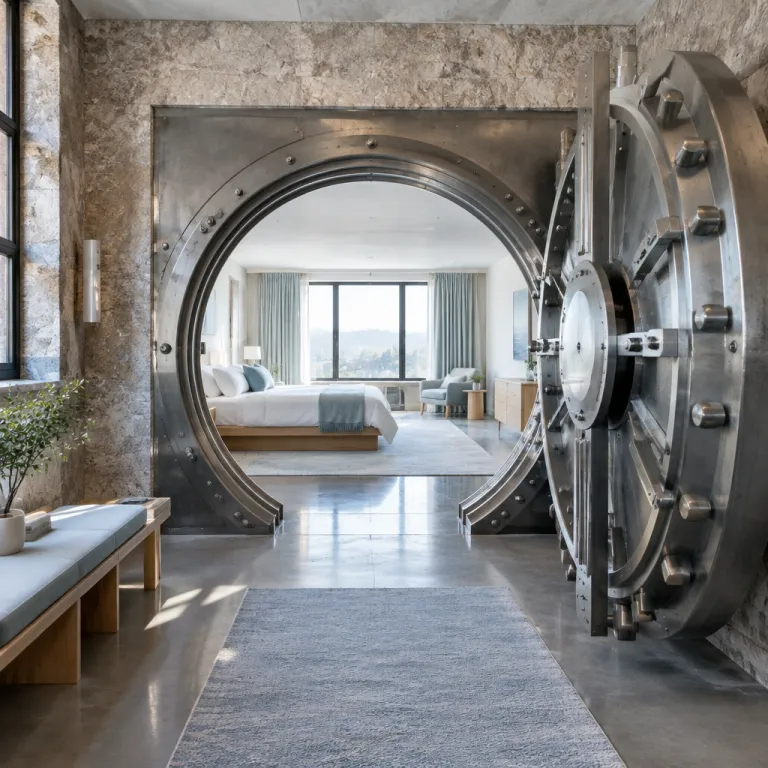
Some adaptive reuse hotels in the United States are famous because the building itself functions as the headline amenity. In former bank headquarters, the vault often becomes the bar, with safe deposit boxes framing candlelit banquettes and giving guests a tactile sense of the city’s financial past. The 1908 City National Bank in Fort Worth, for example, reopened as The Sinclair in 2019 with its basement vault repurposed as a speakeasy style lounge, proving that a single historic room, handled well, can outshine any rooftop pool.
Rail hubs tell a similar story, especially at properties created inside a restored union station or regional depot. Here, the soaring concourse becomes a living lounge, and the original station clocks, ticket windows and benches are preserved as part of the architectural design rather than museum pieces behind glass. These hotels America has carved from transport history, like St. Louis Union Station Hotel with its 1894 Grand Hall and 65 foot barrel vaulted ceiling, feel particularly cinematic at night, when the echo of footsteps under the vault replaces the rush of commuters.
Industrial conversions lean on raw materials instead of marble. A former warehouse might host a river inn with exposed brick, steel beams and tall windows framing a working harbor view, while an old office building becomes an atheneum suite style property with generous living rooms and corner studies. The 1907 Nabisco factory that now houses the Chelsea Market complex and adjoining boutique hotel in New York is a classic example of this shift. For deeper context on how architecture can outrank amenities in your decision making, read our guide on American hotels where the building is the reason to stay, then compare those spaces to more conventional high rise hotels in the same city.
Classrooms, convents and civic landmarks turned into suites
School conversions are where adaptive reuse hotels USA travelers love become most personal. When a high school or junior high campus turns into a hotel, the emotional charge of lockers, gymnasiums and chalkboards adds a layer of narrative you simply do not find in a new build. Guests who once dreaded exams in those corridors now check in for a weekend of room service and late checkout, which is a delicious reversal.
Hotel Grinnell in Iowa is a textbook example, created inside a former junior high and high school complex that still wears its scholastic past openly. The 1921 building, decommissioned as a school in 1978 and reopened as a 45 room hotel in 2017, turned classrooms into guest rooms, the auditorium into an event space and the gym into a venue for social gatherings, while original lockers and signage keep the building’s story legible. This kind of adaptive reuse respects the listed national heritage status of many school buildings, allowing them to remain active civic anchors rather than decaying on the edge of town.
Religious and civic structures follow a similar pattern. A convento hotel in a former monastery or convent, whether in San Juan or a mainland city, offers cloistered courtyards and thick stone walls that naturally insulate sound, creating a serene refuge for solo travelers. In these historic hotels, the adaptive design often pairs minimalist interiors with centuries old architectural details, and the best hotels America has in this category train staff to explain how each chapel, office or refectory was reimagined without erasing its spiritual roots; properties like the 17th century convent that became Hotel El Convento in Old San Juan, listed on the National Register of Historic Places, show how carefully this balance can be struck.
Reading the details: how to spot thoughtful adaptive reuse
Not every adaptive reuse project deserves your booking, even in a market as rich as adaptive reuse hotels USA. The first test is whether the historic narrative feels integrated into daily operations or pasted on as décor, because a few framed black and white photos do not make a building genuinely historic in practice. Look for properties where the tour of the boiler room, vault or former station platform is as carefully scripted as the wine tasting.
Thoughtful hotels America wide will keep key spaces intact, even when that means fewer rooms and lower short term revenue. A bank turned hotel that preserves its double height lobby and marble staircases, or a warehouse conversion that leaves structural columns visible in your suite, is signaling respect for the original architectural intent. In contrast, when corridors feel generic and the only nod to history is a themed cocktail, you are likely in a superficial conversion that treats adaptive reuse as a marketing hook.
Certification can help, though it is not everything. Properties listed on the National Register of Historic Places, or part of the Historic Hotels of America program, have at least cleared a baseline of documentation and preservation standards, which matters if you care about inducted historic status and long term stewardship. When a hotel is inducted into such programs, or described as a hotel inducted for its preservation work, as happened with the 1913 Omni William Penn Hotel in Pittsburgh, it usually means the owners have committed to maintaining the building’s character even as they upgrade systems behind the walls.
Sustainability, food and the future of adaptive luxury
Reusing an existing building is almost always less carbon intensive than constructing a new tower, which gives adaptive reuse hotels USA a structural advantage in the sustainability conversation. You are not just sleeping in a historic room, you are extending the life of embedded materials like stone, timber and steel that would otherwise be lost to demolition. For luxury travelers who care about impact, this makes adaptive reuse a more responsible default than yet another glass box on the skyline.
The best hotels America offers in this space push the idea further, pairing architectural reuse with thoughtful sourcing in their restaurants and bars. Riverfront properties along waterways such as the Napa River might turn former warehouse loading docks into terraces where seasonal menus spotlight nearby farms and fisheries, aligning the building’s second life with a more grounded approach to hospitality. If that philosophy resonates, explore our feature on luxury hotels that grow what they cook and compare how those kitchens treat place as seriously as any design team.
For solo guests, this convergence of adaptive architecture, local food and attentive service creates a powerful sense of belonging. You are not just passing through a city, you are inhabiting a piece of its working memory, whether in an atheneum suite overlooking a former office district or a river inn carved from a grain elevator. As more reuse projects come online across America, from San Francisco to San Juan, and as municipalities publish preservation reports encouraging rehabilitation over demolition, expect the most interesting suite hotel experiences to be the ones that started life as something entirely different.
Where character beats uniformity: choosing your adaptive stay
When you compare adaptive reuse hotels USA wide on a booking site, the photos rarely tell the full story. A former station, warehouse or office block can photograph like any other design forward property, yet the real difference emerges when you walk the corridors and feel how the building moves. That is why seasoned travelers often keep a personal shortlist of adaptive reuse favorites in each city, rather than chasing the newest opening.
Think about how you like to inhabit space before you choose. If you crave quiet, a thick walled convento hotel or school conversion on a leafy street may suit you better than a downtown tower, even if the latter has a higher star rating. Those who thrive on energy might prefer a hotel inside a repurposed union station or central post office, where the echo of public life still hums beneath the polished surfaces and gives every lobby conversation a cinematic backdrop.
Pay attention to room descriptions, not just photos. Terms like river inn, atheneum suite or references to a listed national landmark often signal a more idiosyncratic layout, with steps, alcoves and unexpected views that come from working around existing structural grids. For many solo travelers, that slight unpredictability is the point, because it turns a standard hotel night into a small act of urban exploration, and makes adaptive reuse hotels in America feel less like products and more like temporary homes.
FAQ
What is an adaptive reuse hotel in the United States ?
An adaptive reuse hotel in the United States is a property created inside an existing structure that originally served another purpose, such as a bank, school, warehouse or station. Instead of demolishing the historic building, developers retain key architectural elements and retrofit modern systems, then layer in hospitality functions like guest rooms, restaurants and event spaces. This approach preserves cultural heritage, reduces construction waste and often results in more characterful spaces than a conventional new build hotel.
Are adaptive reuse hotels more sustainable than new construction ?
Reusing an existing building typically has a lower environmental impact than constructing a new tower of similar size, because it preserves the embodied carbon in materials like concrete, steel and brick. Adaptive reuse hotels reduce demolition waste and often require less new material overall, even when major structural upgrades are needed. While operational efficiency still depends on modern systems and good management, the starting point is usually more sustainable than a ground up project.
What tradeoffs should guests expect in adaptive reuse hotels ?
Guests in adaptive reuse hotels should expect some quirks in layout, sound and light compared with standardized new builds. Rooms may have unusual shapes, varying ceiling heights or slightly smaller bathrooms, because designers must work around existing structural grids and window placements. In return, travelers gain richer architectural detail, more distinctive public spaces and a stronger sense of connection to the surrounding city and its history.
How can I tell if a conversion respects the historic building ?
A respectful conversion keeps key spaces and materials visible, such as original lobbies, staircases, beams or classroom details, rather than covering everything with drywall and generic finishes. Staff are usually trained to explain the building’s past, and signage or in room materials provide specific dates, uses and stories instead of vague references to history. Membership in programs like Historic Hotels of America or listing on the National Register of Historic Places can also indicate a higher level of preservation commitment.
Are adaptive reuse hotels usually more expensive than standard hotels ?
Rates at adaptive reuse hotels can be higher than at standard properties in the same city, especially when the building is a landmark or offers limited room inventory. The premium reflects both the cost of complex restoration work and the experiential value of staying in a one of a kind space, such as a former vault, station concourse or classroom. However, savvy travelers can often find competitive midweek or shoulder season rates, making these character rich stays accessible with careful planning.