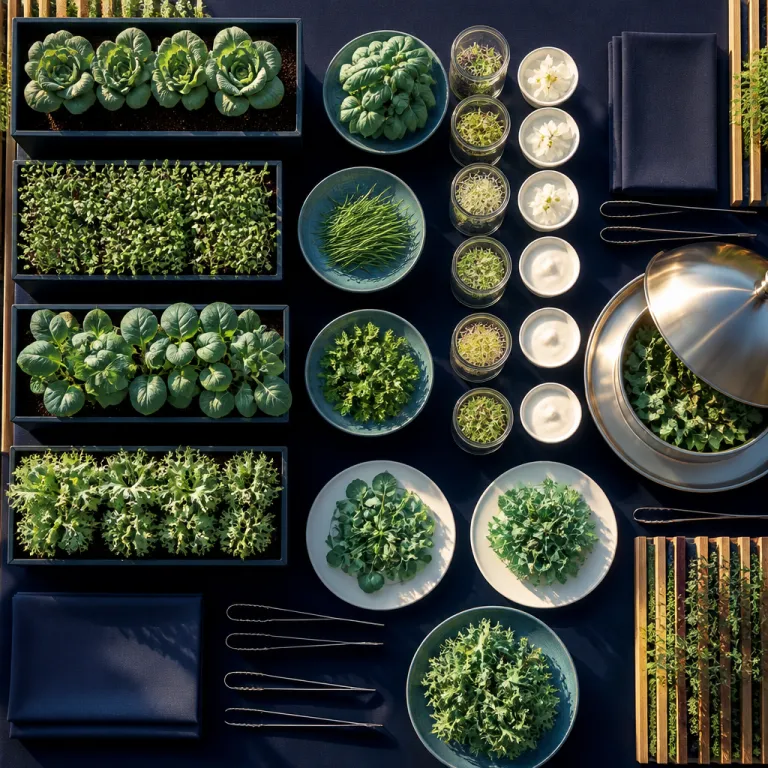
From farm to table to seed to service in the United States
For couples hunting the best romantic escape, the new farm-to-table luxury hotel standard in the United States is no longer just about sourcing nearby. When a chef can walk a few minutes from the kitchen to a working farm, the entire rhythm of a stay changes, from the first glass of wine to the last bite of cheese. This shift is reshaping how top hotels and resorts across the country think about food, leisure, and what it really means to feel inclusive of the land around them.
Global pioneers such as Conrad Koh Samui, Six Senses Zighy Bay, and Natirar proved that serious luxury resorts can run productive farms without sacrificing polish. Their on-site greenhouses, composting systems, and irrigation networks show how a barn can sit comfortably beside a Michelin Guide–level dining room, inspiring hotels and resorts in the South and beyond to rethink their own acreage. Luxury hotel teams now work with agricultural experts and sustainability consultants so that every farm-to-table moment feels effortless to the guest, even when the logistics behind that table dining are anything but simple.
For American travelers, this evolution matters because it changes how you choose the best hotels and best resorts for a special stay. Instead of scanning only for spa menus and wine lists, you start asking whether the property has a working farm, whether the inn offers guided walks through rows of vegetables, and whether the list of wine by the glass actually reflects the surrounding region. A smart travel guide or Travel + Leisure–style feature now treats the on-property farm as seriously as the pool, because the best farm programs are no longer side projects; they are the heart of the experience.
When the chef walks 50 feet: how gardens rewrite the menu
There is a clear difference between a restaurant that orders from a regional farm-table supplier and a luxury hotel where the chef harvests from raised beds just outside the kitchen door. At properties that embrace the farm-driven luxury ethos fully, seasonal menus are built around what the soil is ready to give, not what a distributor happens to have on a list that week. That means your food and wine pairing on a Friday night might be shaped by a sudden flush of basil or a bumper crop of heirloom tomatoes, rather than a spreadsheet.
Natirar in New Jersey, for example, operates a working farm that feeds its restaurants with vegetables, herbs, and eggs, illustrating how a serious hotel can run a serious agricultural program without losing focus on service. Public reports and property communications have cited harvests in the tens of thousands of pounds for its own kitchens, a concrete sign that the fields are more than a backdrop. Conrad Koh Samui and Six Senses Zighy Bay, though outside the United States, underline the same lesson for American hoteliers who read every new travel guide and Food & Wine feature for ideas. Their teams use on-site farming, hydroponics, and livestock rearing to support table dining that feels both indulgent and grounded, a model that forward-looking hotels and resorts in the South and West are now adapting to local climates and crops.
For couples planning their next travel, this seed-to-service approach changes how you read a wine list or a list of wine pairings. You start to notice when a chef references the singing brook that irrigates the garden, or when a sommelier explains how the best awards from Travel + Leisure or a Michelin Guide nod came after the property committed to growing its own herbs. As Blackberry Farm’s longtime chef Cassidee Dabney has said in interviews, “The farm tells us what dinner will be.” If you care about choosing the leisure best option for a proposal weekend or anniversary, you want a hotel where the menu is written in the field first, then in the kitchen, and only then on the page, as explored in our feature on hotels where the kitchen sets the agenda.
Blackberry Farm and the American benchmark for cultivated luxury
Within the United States, Blackberry Farm in Tennessee has become shorthand for the best farm-driven hospitality, and for good reason. The property’s working farm, elegant inn, and deep cellar have helped define what a farm-to-table luxury hotel experience can feel like for couples who care as much about scenic drives as they do about spa treatments. Blackberry Farm shows how a barn, a singing brook, and a serious kitchen can coexist without any of them feeling like a themed backdrop.
At Blackberry Farm, the culinary team led for many years by chef Cassidee Dabney has treated the land as both pantry and teacher, shaping menus around what the fields, orchards, and foraging walks provide. The result is table dining where cheese, charcuterie, and vegetables often travel only minutes from pasture or garden to plate, supported by a wine list that ranges from Burgundy to small American producers. The property’s James Beard Award–winning reputation and frequent Travel + Leisure and Food & Wine mentions give outside confirmation that this is not just clever branding. For guests, that means every stay feels different, because the best hotels with real farms let the seasons, not a corporate template, dictate the experience.
Blackberry Farm’s influence now stretches far beyond the South, as general managers and chefs from other hotels and resorts quietly study its model. Many of the best resorts in the United States have adapted elements of its approach, from inclusive garden tours to food and wine weekends that highlight on-site harvests. When Travel + Leisure or similar outlets compile their leisure best rankings and best awards lists, properties with this depth of farm integration increasingly stand out, not just for romance but for credibility with serious diners.
Guest programming, design, and the aesthetics of the working farm
What separates a truly memorable farm-centered luxury stay from a simple rural getaway is how the farm is woven into daily guest life. The most thoughtful hotels and resorts treat their gardens as both working landscapes and stages for leisure, offering harvest workshops, planting sessions, and guided foraging walks that feel like private masterclasses rather than group tours. Couples can spend a few minutes learning how to prune vines, then return to a glass of wine on the terrace while watching the same rows glow at sunset.
Design plays a crucial role, because the best hotels refuse to hide their farms behind loading docks or parking lots. Instead, architects and landscape designers frame dining rooms, suites, and even spa relaxation areas around views of orchards, vegetable beds, and the occasional barn, turning agricultural infrastructure into a form of quiet theater. Scenic drives that lead into these properties often reveal the fields first, signaling that this is not just another luxury hotel but a place where the farm is the main character and the inn, spa, and restaurants are supporting cast.
Programming follows the same philosophy, with inclusive options for both serious food lovers and guests who simply want a gentle introduction. One couple might book a detailed food and wine pairing class that explores how the wine list reflects the soil under their feet, while another might join a short singing brook walk that ends with a casual farm-table picnic. For planners using a travel guide or scanning Travel + Leisure–style lists of the best resorts, these layers of engagement are what separate a quick stay from a weekend that lingers in memory long after checkout.
Sustainability, economics, and how to choose your next seed to service stay
Behind the romance of lantern-lit gardens and candlelit table dining lies a hard-headed sustainability and economic story. Luxury hotels that invest in serious farms are not only chasing Food & Wine features or a possible Michelin Guide mention; they are also reducing their carbon footprint and gaining more control over quality. Growing specific herbs, lettuces, or flowers in house can cost less over time than sourcing the same ingredients from specialty suppliers, especially when composting systems turn kitchen waste back into fertile soil.
Industry data and case studies from properties such as Natirar, Conrad Koh Samui, and Six Senses Zighy Bay show that on-site farms can produce substantial volumes of fruits, vegetables, and eggs while supporting guest programming. Natirar, for instance, has reported that a large share of its seasonal vegetables in peak months comes directly from its own acreage, according to publicly shared figures and media coverage. These hotels work with local farmers, agricultural experts, and sustainability consultants to integrate traditional farming with modern systems, proving that a barn and a luxury hotel can share the same hillside without compromise.
For couples using myusastay.com as a travel guide to the best hotels and best resorts in the United States, the practical question is how to choose. Start by asking whether the property has a named farm program, whether the chef or a figure like Cassidee Dabney is involved in shaping both the menu and the land, and whether the wine list or list of wine pairings highlights producers who share the same sustainability values. When comparing regions for your next road trip, our analysis of where to book in California can help you weigh scenic drives, food access, and the depth of each hotel’s farm integration before you commit.
How to evaluate farm driven luxury hotels before you book
Choosing the right farm-focused luxury hotel stay starts long before you arrive at the inn or resort. When you research, look for clear evidence that the property treats its farm as more than a marketing phrase, such as detailed descriptions of crops, livestock, and seasonal menus that change frequently. A serious hotel will often publish a farm-table calendar, outline its partnerships with local farmers, and highlight how many minutes it takes for key ingredients to travel from field to plate.
Next, read how the property talks about food and wine, because language reveals priorities quickly. If the website or travel-leisure-style coverage focuses only on awards and décor, you may be looking at a place where the barn is mostly a backdrop, whereas mentions of composting, irrigation, and specific varietals suggest a deeper commitment. Pay attention to whether the wine list is described as a living document that evolves with the menu, and whether the list of wine producers includes small, sustainable estates that echo the values of the farm itself.
Finally, consider how the hotel integrates leisure and learning, especially if you are planning a romantic weekend that balances relaxation with curiosity. The best farm programs offer inclusive options, from casual garden strolls to more technical workshops, so that both partners can engage at their own pace. When a property earns best awards or appears on leisure best lists for its culinary program, read between the lines to see whether that recognition reflects genuine seed-to-service depth, or simply a fashionable address with a few raised beds near the parking lot.
FAQ
Which luxury hotels actually grow their own food on site ?
Several high-end properties operate serious farms, including Natirar in New Jersey, which runs a substantial acreage dedicated to produce and livestock. International leaders such as Conrad Koh Samui and Six Senses Zighy Bay also cultivate fruits, vegetables, and eggs on their grounds, offering a model that many hotels and resorts in the United States now study closely. When you evaluate any farm-to-table luxury hotel option, ask directly whether the property manages its own fields or relies solely on external suppliers.
Why are luxury hotels investing in working farms and gardens ?
Hotels are turning to on-site farms to improve food quality, strengthen sustainability, and create distinctive guest experiences that justify premium rates. By growing ingredients themselves, they reduce transport emissions, control freshness, and design menus around what the land provides rather than what distributors offer. This approach also supports immersive programming, from garden tours to cooking classes, that appeals strongly to couples seeking meaningful leisure rather than generic resort activities.
How can I tell if a hotel’s farm program is more than marketing ?
Look for specific, verifiable details such as the size of the farm, the types of crops grown, and how often menus change with the seasons. Serious properties will mention partnerships with local farmers or agricultural experts, outline composting and irrigation practices, and describe how quickly ingredients move from field to table dining. Reviews from trusted outlets like Travel + Leisure, Food & Wine, or the Michelin Guide can also signal whether a hotel’s claims have been tested by experienced critics.
Does growing food on site make a stay more expensive ?
Room rates at these properties are usually driven by overall positioning rather than the farm alone, but the economics behind the scenes can be surprisingly efficient. Once established, a well-managed farm can lower the cost of certain specialty ingredients compared with constant external sourcing, while also reducing waste through composting. For guests, the value comes from deeper flavor, richer storytelling, and access to experiences that standard hotels and resorts simply cannot replicate.
What should couples prioritize when booking a farm focused luxury stay ?
Start by aligning the property’s culinary philosophy with your own expectations for romance and relaxation. If you care about immersive food and wine experiences, prioritize hotels with robust farm programming, strong wine lists, and chefs who are visibly engaged with the land, such as Cassidee Dabney at Blackberry Farm. If you prefer a lighter touch, choose an inn or resort where the farm provides quiet beauty and a few well-curated activities, leaving most of your time free for spa visits, scenic drives, and unhurried meals.