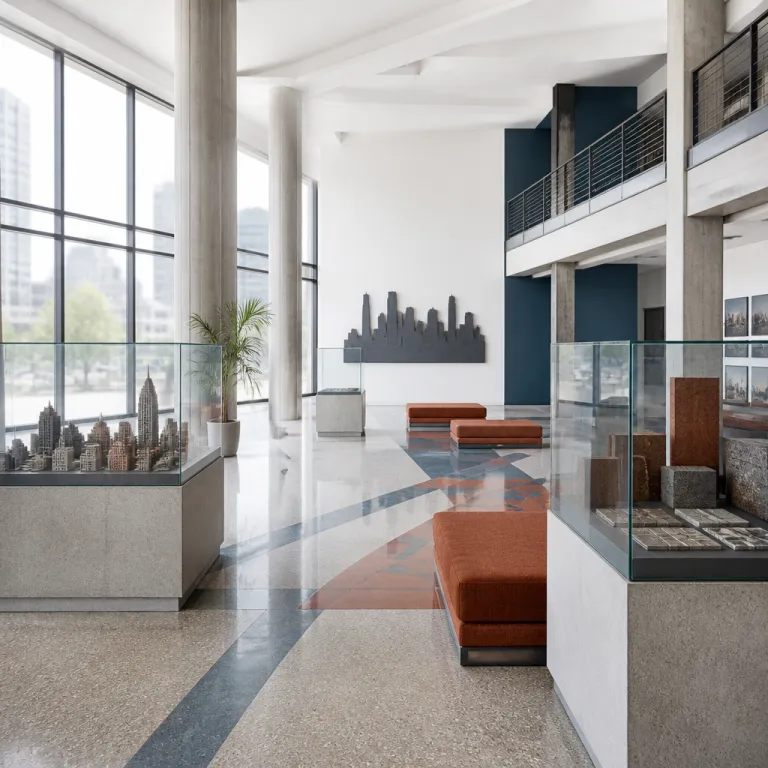
Heritage is the new frontier for cultural luxury stays
In the united states, cultural heritage luxury hotels usa now function as docents that interpret their own walls. These historic hotels turn adaptive reuse into a form of urban storytelling, where every corridor and stairwell explains how america grew, faltered, and reinvented itself through preservation rather than demolition. For couples planning travel across the usa, the most rewarding hotel choices are often the properties where history is not a theme but the actual structure, from a grand hotel in a former bank to an inn carved out of a Beaux Arts railway palace.
The National Trust for Historic Preservation tracks more than 200 historic hotels in america, and the average age of these hotels is around a century, which means many were built in the Gilded Age when railroads, finance, and new fortunes reshaped every major city. That statistic matters when you are comparing hotels worldwide, because it highlights how hotels america can deliver a depth of history that newer resorts simply cannot replicate, especially when preservation work has been done with care and transparency. When you book a hotel historic property in the usa, you are often stepping into a living archive of local labor, architecture, and social change rather than a generic luxury box.
Across the united states, adaptive reuse has become the quiet engine behind this shift, transforming courthouses, post offices, and mansions into hotels historic enough to satisfy architecture buffs yet comfortable enough for a romantic weekend. The method is straightforward but demanding, blending historical research, architectural restoration techniques, and collaboration with preservation societies to keep original materials while adding modern rooms, a spa, and discreet technology. When done well, these hotels united with their neighborhoods help stimulate local economies, extend the life of america historic landmarks, and give travelers a reason to linger in the city instead of treating it as a quick stop between airports.
Architecture as curriculum: when the building becomes your guide
Some cultural heritage luxury hotels usa teach you more about a city’s power structures than any guided tour, simply by letting you wander their public spaces. In chicago, the Blackstone Hotel and the Palmer House Hotel both show how a grand hotel can double as a crash course in Beaux Arts ambition, with ballrooms and staircases that explain why this city became a laboratory for skyscrapers and civic grandeur. In washington, the Willard Hotel near Pennsylvania Avenue turns its corridors into a living seminar on political history, where presidents, lobbyists, and activists once shaped america behind closed doors.
Adaptive reuse is the technical term for this transformation, defined as “repurposing old buildings for new uses while preserving historical features.” That definition underpins many of the most compelling hotels historic travelers now seek out, from a former bank vault in new orleans to a restored railroad inn in the american west, each one showing how preservation can revitalize a city block without erasing its history. When you read about the hidden discipline behind reopening a legacy property, especially in detailed case studies on the restoration of a historic hotel in america, you start to understand why these projects require patience, deep pockets, and a willingness to let the building’s original story lead the design rather than the other way around.
For couples, the payoff is immediate, because the building itself becomes the first activity on your itinerary, whether you are in san francisco, los angeles, or a smaller city with a single grand hotel anchoring downtown. You might check availability at a former bank turned luxury hotel san property and find that the old vault now hosts a spa, a cocktail bar, or a private dining room that still whispers about deposits and deals. In these hotels america, the view hotel experience is not just about skyline panoramas but about reading the ceilings, columns, and stonework as primary documents in the history of the united states.
Hotel as gallery: collections that rival small museums
Another layer of cultural heritage luxury hotels usa emerges in properties that treat their corridors as curated galleries rather than decoration afterthoughts. These hotels historic destinations commission local artists, photographers, and sculptors to create work that explains the city’s identity, so that walking from your rooms to the spa feels like moving through a compact museum of america. When you stay in such a hotel, you often learn more about the neighborhood’s history from the art labels than from any brochure at the concierge desk.
Some of the most compelling examples appear in grand hotels that have embraced the “hotel as gallery” concept with serious curatorial rigor, often partnering with local museums or universities to ensure accuracy and depth. In cities like new york, san francisco, and santa fe, you will find hotels america that rotate exhibitions focused on indigenous narratives, immigrant histories, or the evolution of local industry, turning the lobby into a public forum rather than a private waiting room. When you explore where to stay in america historic districts, especially in properties highlighted as heritage hotels where history sits down to breakfast with you, the art on the walls often provides the clearest explanation of why the building mattered long before it became a luxury address.
This approach also changes how you evaluate hotels worldwide, because it sets a higher bar for what cultural programming should look like in the united states and beyond. Instead of settling for a few black and white photographs of the city, you can seek out a hotel historic property that invests in serious storytelling, from commissioned murals to archival displays curated with the help of the National Trust or local historical societies. When you check availability at these hotels united in purpose with their communities, you are not just booking a room but reserving a front row seat to the layered history of america as told through paint, textiles, and sculpture.
Breaking free from beige: regional aesthetics and living heritage
The most interesting cultural heritage luxury hotels usa have abandoned the global beige template in favor of regional aesthetics that feel rooted in place. Instead of interchangeable marble and chrome, you will find adobe textures in santa fe, Art Deco geometry in miami beach, and Gilded Age opulence in a grand hotel along the eastern seaboard, each style teaching you how america expressed wealth and aspiration in different eras. This design shift is not about nostalgia but about using materials, colors, and craftsmanship to make the building’s history legible to anyone who checks in.
In miami beach, for example, a carefully restored Art Deco resort can explain the city’s rise as a playground for the united states long before cruise ships dominated the skyline, while a property like the Don Cesar on the gulf coast shows how a pastel palace survived war, neglect, and near demolition through determined preservation. On the west coast, a hotel san property in san francisco or los angeles might lean into Craftsman woodwork or mid century lines, turning every corridor into a visual essay on how california reimagined domestic comfort and public glamour. When you compare these hotels america with more anonymous hotels worldwide, the difference is immediate, because the regional details make the rooms feel like chapters in a local history book rather than interchangeable luxury sets.
This is where the trend toward experiential travel intersects with serious heritage work, especially in america historic districts where adaptive reuse has become a tool for economic revival. Couples who care about culture can now choose hotels historic enough to satisfy their curiosity but contemporary enough to offer a full spa, thoughtful dining, and technology that does not intrude on the architecture. When you plan a romantic escape and check availability at these hotels united by a commitment to authenticity, you are effectively voting for a future where preservation and pleasure coexist in the same building.
Beyond heritage washing: how to choose hotels that truly teach
Not every property that markets itself as part of the cultural heritage luxury hotels usa wave deserves the label, and that is where traveler discernment matters. Heritage washing happens when a hotel historic narrative is reduced to a few sepia photographs, a themed cocktail, and some recycled marketing copy about “timeless elegance” with no real preservation work behind it. In contrast, the most credible hotels historic properties in the united states can show you detailed records of restoration, partnerships with local historians, and programming that goes deeper than a lobby plaque.
To separate substance from surface, start by asking three questions before you check availability at any supposed america historic property. First, what specific elements of the original building were preserved, from façades and staircases to ballrooms and bank vaults, and how are guests invited to engage with that history during their stay. Second, which local institutions — such as the National Trust, city preservation offices, or indigenous cultural organizations — have been involved in the project, and how visible is that collaboration in the hotel’s daily operations.
Third, what ongoing programming does the hotel offer that turns history into a living conversation rather than a static display, whether that means guided architecture tours, talks with local artists, or seasonal events that interpret the building’s past. When you apply these questions to everything from mountain lodges that earn their summer rate after the lifts stop to urban grand hotels that anchor downtown, you quickly see which hotels america are serious about education and which are simply trading on a fashionable label. For couples who care about meaningful travel, choosing hotels united by genuine preservation values ensures that every stay adds another layer to your understanding of america, without ever needing to leave the building to find the story.
FAQ
Why stay in a historic hotel instead of a new luxury property?
Staying in a historic hotel offers direct access to architecture, stories, and artifacts that newer properties simply do not possess. You experience unique design details, original materials, and often a documented role in america historic events, all while enjoying modern rooms and amenities. For many couples, that blend of history and comfort turns a standard trip into a richer cultural journey.
Are historic hotels more expensive than other hotels in the same city?
Prices at historic hotels vary widely, and some are premium because of their location, restoration costs, and limited room inventory. Others remain competitive with contemporary hotels america, especially in smaller cities or shoulder seasons such as january when demand softens. The key is to compare what you receive in terms of heritage, preservation quality, and included experiences rather than focusing only on nightly rates.
What is adaptive reuse in architecture, and why does it matter for travelers?
Adaptive reuse in architecture means repurposing old buildings for new uses while preserving historical features, which often turns former banks, mansions, or train stations into hotels historic travelers can enjoy. For guests, this approach delivers a deeper connection to the city’s history, because the building itself becomes part of the itinerary. It also supports preservation efforts that keep america historic landmarks active instead of abandoned or demolished.
How can I tell if a hotel’s heritage story is authentic or just marketing?
Authentic cultural heritage luxury hotels usa usually provide clear information about restoration work, original construction dates, and partnerships with recognized preservation organizations. You should be able to learn which parts of the structure are original, how the hotel collaborates with local communities, and what ongoing programming interprets the building’s history. If the story stops at a few old photos and vague claims, you are likely seeing heritage washing rather than genuine preservation.
Do historic hotels offer the same modern comforts as contemporary resorts?
Many historic hotels in the united states now combine preserved architecture with contemporary comforts such as high quality bedding, updated bathrooms, and full service spa facilities. The best examples integrate these upgrades discreetly so that technology and comfort do not overwhelm the original design. When you check availability, look for details about recent renovations and guest reviews that mention both heritage and comfort in the same breath.
Sources
National Trust for Historic Preservation ; Preferred Hotels & Resorts ; HotelsMag.