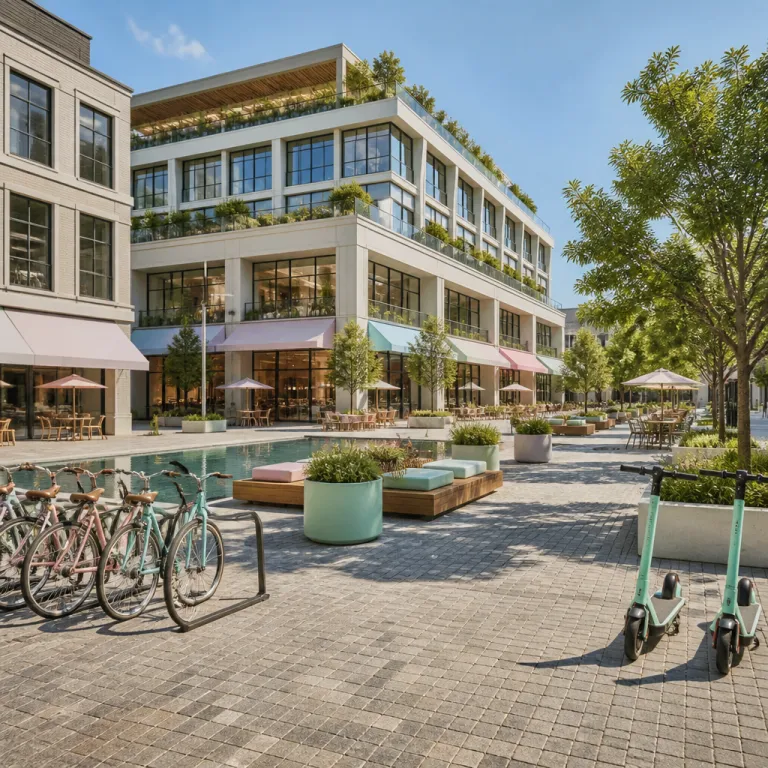
The city hotel as destination: why urban luxury is rewriting the rules
Urban luxury hotels in the USA are no longer content to be sleep stations between meetings and museums. The new generation of city hotel treats the entire property as a curated destination, with on-site programming that competes head on with the streets outside. For business leisure travelers, that shift increasingly defines which hotels truly justify an urban rate in peak summer seasons.
Recent booking trends reported by advisors at Global Travel Collection, who have noted softer demand for New York City alongside surging interest in secondary cities, have sharpened the conversation about value. If you are paying a premium for a room hotel in Midtown or a view hotel on the waterfront, the experience now has to feel as rich as a resort spa on a remote island. The best luxury hotels respond by turning their rooms, suites, dining venues and spa floors into a cohesive collection of reasons to stay in rather than rush out.
Hospitality insiders talk about “hotels as destinations” as more than a slogan. Internal guest feedback shared by the team at Hotel Hugo SoHo in Hudson Square, New York City, indicates a notable rise in on-site engagement once the property leaned into art, culinary and wellness programming. Trade coverage in outlets such as Hospitality Today has also highlighted a broad rise in hotel-based experiences, and that shift underpins the new wave of high-end city hotels in the United States that summer 2026 travelers are already searching for.
The concept is simple but radical for city properties that once relied on location alone. A historic lodge near a national park has always been a destination in itself, but a glass tower in San Francisco or West Hollywood now needs the same gravitational pull. That means every room, every public place and every service touchpoint must deliver a layered experience that feels as intentional as a Seasons-style resort in the mountains.
For myusastay.com readers, the question is not whether to choose luxury hotels or lifestyle hotels. The real question is which hotels and resorts in American cities have evolved into full ecosystems where you can work, play and recharge without sacrificing the city outside. The answer increasingly lies in properties that treat design, programming and service as a single, guest centric strategy.
Public West Hollywood and the rise of the lobby as nightlife engine
Public West Hollywood, slated for opening in summer, crystallizes the new urban playbook. The property is conceived less as a quiet city hotel and more as a vertical neighborhood where the lobby, rooftop and dining venues are the main event. For executives extending a Los Angeles trip, that means the hotel itself becomes the after hours plan.
The design brief at this West Hollywood address leans into energy and accessibility rather than hushed formality. Expect a collection of social spaces where a guest can move from laptop friendly café tables by day to a high low mix of bar programming at night, all without leaving the property. In this model, rooms and suites become calm, acoustically protected retreats stacked above a buzzing ground floor ecosystem.
Public West Hollywood is part of a broader shift in upscale city stays that summer 2026 travelers will notice from San Francisco to Palm Springs. Instead of a single signature restaurant, the hotel curates multiple dining venues that function like a micro food hall for locals and guests. When done well, that approach turns a traditional Seasons hotel style lobby into a constantly evolving social stage.
Secondary cities are embracing the same logic, often with more creative freedom than legacy markets. Our deep dive into the coolest neighborhoods in twelve US cities shows how hotels now anchor entire blocks with galleries, listening rooms and chef driven concepts. In these districts, the line between destination hotel and neighborhood clubhouse is intentionally blurred.
For the guest, the benefit is time efficiency as much as spectacle. You can land late, take a quick shower in a well designed room, then head straight to a rooftop event without arranging transport across the city. That frictionless flow is what makes this new style of hotel feel closer to an urban resort than a traditional room hotel with a single bar off the lobby.
From a booking perspective, myusastay.com readers should look beyond square meters and brand names. Pay attention to how a property describes its public spaces, its resort offers style packages and its calendar of events across seasons. Those details reveal whether you are choosing a simple place to sleep or a city lodge that has been engineered as your primary evening destination.
SongTeller Hotel Nashville and the cultural anchor model
In Nashville, SongTeller Hotel reshapes what a music city property can be. The Dolly Parton backed hotel is expected to open with around two hundred forty five rooms and a twenty thousand square foot museum woven directly into the public floors. Two dedicated entertainment venues inside the property turn it into a cultural institution as much as a place to stay.
This is the cultural anchor model in its purest form, and it signals where many luxury city hotels in the USA are heading for summer 2026 and beyond. Instead of sending guests out with a concierge list, the hotel brings the city’s creative engine inside its own walls. You are not just booking rooms and suites near Broadway; you are reserving a front row seat to curated performances, exhibitions and storytelling that run through every season.
For business leisure travelers, that integration solves a familiar problem. After a day of meetings, the choice between a generic lobby bar and a noisy street can feel uninspiring, but a destination hotel like SongTeller offers a third path. You can step from your room into a live set or a museum wing, then retreat upstairs without ever hailing a car.
Other cities are experimenting with similar cultural anchors, from art forward hotels in San Francisco to design led properties in Santa Barbara. Some partner with local artists to rotate installations through the lobby, while others collaborate with institutions such as rail operators inspired by the Orient Express style of travel for themed suites. The common thread is a commitment to on site experience that rivals a standalone gallery or performance hall.
That approach aligns with guidance from Hotel Hugo SoHo’s own evolution in New York City. When the team integrated local culture through art installations, culinary experiences and wellness programs, they reported measurable gains in guest engagement and loyalty. Those results support the idea that a hotel can be a self contained cultural district rather than a simple stopover.
For travelers who value quiet, there is still room for more restrained interpretations of this model. Our guide to refined adults only hotel escapes highlights properties where the cultural programming is intimate rather than high volume. The key is intentionality; whether you choose a music filled lodge in Nashville or a serene spa focused city retreat, the hotel should feel like a thoughtfully edited version of its neighborhood.
Bleisure priorities: when your hotel must be both office and escape
The business leisure traveler has quietly become the most demanding guest in the urban market. This traveler expects a hotel room that functions as a productive office by day and a restorative spa adjacent sanctuary by night. In cities from San Francisco to Palm Springs, the properties winning repeat bookings are those that understand this dual mandate.
At the room level, that means more than a stylish desk and fast Wi Fi. The best high-end city hotels that summer 2026 travelers will book offer layered lighting, ergonomic seating and acoustically insulated walls that make back to back video calls feel manageable. When you close the laptop, blackout shades, high quality bedding and intuitive climate control turn the same room into a true rest zone.
Public spaces matter just as much for this audience. A well planned lobby or lounge can shift from quiet co working hub in the morning to social bar in the evening, mirroring the seasons of a workday. Hotels that treat their cafés, terraces and even spa relaxation rooms as flexible, laptop friendly environments earn loyalty from executives who no longer separate business and leisure trips.
Some city hotels now borrow cues from resort spa design to support this blended lifestyle. You might find hydrotherapy circuits, meditation rooms and compact fitness studios that feel closer to a coastal resort than a downtown tower. When paired with thoughtful dining venues offering healthy menus alongside indulgent options, the property becomes a holistic wellness lodge in the heart of the city.
For travelers comparing hotels and resorts across multiple cities, the key is to read between the lines of marketing language. Look for concrete details about workspace friendly rooms and suites, spa facilities, and programming that acknowledges both productivity and play. A vague promise of “urban luxury” without specifics rarely translates into the kind of destination hotel that truly supports bleisure needs.
Our editorial team at myusastay.com evaluates each property through this lens before recommending it. We prioritize hotels where the experience of staying on site feels as compelling as heading out, whether you are in West Hollywood, Santa Barbara or a rising secondary market. That is the standard that separates a simple city property from a modern urban resort.
Secondary cities, shifting demand and the new value equation
With New York City bookings reportedly down significantly year over year, the spotlight has swung toward secondary destinations. Places like Big Sky, Newport and Knoxville are seeing surging demand, and their hotels are responding with more ambitious on site experiences. For travelers, that shift opens fresh options for city-style luxury stays in the USA during summer 2026 outside the usual coastal hubs.
In these markets, the line between city hotel and resort blurs in interesting ways. A property in Knoxville might pair a compact spa with a rooftop bar overlooking the river, creating a view hotel feel without oceanfront prices. In Newport, a historic lodge near the harbor can function as both a cultural anchor and a quasi beach hotel, especially when the design leans into maritime heritage.
Value in this context is not just about nightly rates. It is about how much of your itinerary can unfold within or immediately around the hotel without sacrificing authenticity. When a destination hotel in a smaller city curates local music, art and food under one roof, it can rival the energy of a Seasons hotel in a major metropolis.
Secondary cities also offer room for more experimental design and programming. Without the weight of legacy expectations, hoteliers can play with suites that double as private studios, or dining venues that host rotating chef residencies. Guests benefit from a sense of discovery while still enjoying the predictability of high end service and amenities.
For myusastay.com readers, the takeaway is to widen the search radius when planning summer travel. A carefully chosen property in a rising market can deliver the same level of luxury as a Waldorf Astoria flagship, often with more personalized attention. When that property functions as a self contained resort, the overall experience can feel richer than a more famous address that relies solely on location.
Our long form feature on the best US hotels, cities and beaches highlights several examples where this value equation tilts in favor of secondary destinations. The pattern is clear; hotels that invest in on site culture, wellness and design win loyalty, regardless of their ZIP code. That is the future of the American city hotel, whether the skyline is dominated by glass towers or church steeples.
Design, wellness and the quiet power of staying in
Design has become the silent negotiator between the pull of the city and the appeal of staying in. In the most compelling luxury city hotels that summer 2026 travelers will encounter, every corridor, staircase and lounge is choreographed to encourage lingering. You feel it when a lobby invites you to sit with a coffee rather than rush straight to the elevator.
Wellness is woven into this design language in subtle ways. Natural materials, soft acoustics and intuitive wayfinding reduce cognitive load, making the hotel feel like a calming lodge even in the middle of a dense city. When a spa is integrated into this flow rather than hidden in a basement, guests are more likely to treat it as part of their daily rhythm.
Some properties take cues from resort offers typically found in island destinations. You might see sunrise yoga on a rooftop, guided neighborhood runs departing from the lobby, or seasonal wellness residencies with visiting practitioners. These touches transform the property into a year round retreat, not just a place to crash after dinner.
Room design plays a crucial role in this equation. The best hotels balance generous work surfaces with tactile comforts, ensuring that a room hotel never feels like a sterile office. Thoughtful touches such as window seats that frame a city view, or sliding panels that separate sleep and work zones, make even compact rooms feel like suites.
For travelers comparing luxury hotels and hotels resorts, the question to ask is simple. Does this property’s design encourage me to slow down and engage with the space, or does it push me back out into the street? When the answer is the former, you are likely looking at a true destination hotel rather than a generic urban address.
From San Francisco’s converted warehouses to Santa Barbara’s coastal inspired city properties, the most successful designs respect local context. They avoid copy paste aesthetics in favor of materials, art and spatial layouts that reflect the neighborhood’s history and climate. That authenticity is what makes staying in feel like an experience rather than a compromise.
Legacy luxury, new players and how to choose where to stay
Legacy brands like Waldorf Astoria and the revived Orient Express name still carry enormous weight in the American imagination. These flags signal a certain baseline of service, from polished concierges to high thread count linens in every room. Yet in the era of contemporary urban luxury, where summer 2026 travelers are comparing options across the USA, brand alone is no longer enough.
New players such as Public West Hollywood and SongTeller Hotel Nashville compete not by mimicking palace style formality but by rethinking what a city property can be. They prioritize cultural programming, flexible social spaces and a sense of narrative that runs from the lobby to the top floor suites. For many guests, that storytelling matters as much as marble and chandeliers.
Beach adjacent cities add another layer of choice. In Santa Barbara or Palm Springs, you might weigh a classic beach hotel against a more urban property a few blocks inland that functions like a compact resort. The decision often comes down to whether you want the ocean as your primary attraction or a hotel that acts as its own micro destination.
When evaluating options on myusastay.com, start by clarifying your priorities. If you want a hotel that feels like a Seasons resort transplanted into the city, focus on properties with robust spa offerings, multiple dining venues and a clear calendar of events. If you prefer a quieter, more residential feel, look for hotels that emphasize privacy, soundproofing and in room amenities over nightlife.
Pay attention to how each property talks about its relationship to the surrounding city. A true destination hotel will highlight partnerships with local artists, chefs and cultural institutions rather than just listing nearby attractions. That collaborative stance is a reliable indicator that the hotel sees itself as part of the urban fabric, not just a sealed off luxury box.
Finally, remember that the most compelling stays often come from thoughtful contrasts. A historic building with contemporary design, a city tower with lodge inspired wellness spaces, or a luxury boutique style property that feels both intimate and plugged into the neighborhood can all deliver memorable experiences. The goal is not to escape the city, but to choose a hotel that lets you engage with it on your own terms.
Key figures shaping the new American city hotel
- Hotel Hugo SoHo in New York City has reported an internal estimate of a significant increase in on site guest engagement after expanding art, culinary and wellness programming, suggesting how destination style amenities can change behavior.
- Industry coverage in publications such as Hospitality Today has documented a notable rise in hotel based experiences, indicating that guests increasingly prioritize properties with robust on site activities over those relying solely on location.
- Advisors within Global Travel Collection have cited data showing New York City hotel bookings trending down while secondary cities surge, underscoring the need for urban hotels to justify rates through richer in house experiences.
- SongTeller Hotel Nashville is expected to open with approximately 245 rooms and 20,000 square feet of museum space, positioning it as both accommodation and cultural institution in the heart of the city.
- Many new urban properties now dedicate several hundred square meters to spa and wellness zones, a footprint once reserved for resort settings, reflecting the bleisure demand for on site recovery spaces.
FAQ about destination style city hotels in the United States
What does it mean when a hotel is described as a destination in itself?
A hotel described as a destination in itself offers enough experiences, amenities and cultural programming to keep guests happily on site for much of their stay. That can include art installations, multiple dining venues, spa and wellness facilities, and curated events that reflect the surrounding city. The goal is for the property to feel like a complete ecosystem rather than just a base for external sightseeing.
Why are more urban hotels investing in on site experiences?
Urban hotels are investing in on site experiences because travelers increasingly seek meaningful, immersive stays that do not require constant movement across the city. Internal reporting from properties like Hotel Hugo SoHo suggests that richer programming can lead to higher guest engagement and loyalty. At the same time, competition from secondary cities and resorts pushes urban hotels to differentiate beyond location and room size.
How should business leisure travelers choose a city hotel that fits their needs?
Business leisure travelers should look for hotels that balance strong workspace features with genuine leisure amenities. That means quiet, well equipped rooms for calls and emails, alongside spa facilities, thoughtful dining options and engaging public spaces for downtime. Reading beyond marketing slogans to find concrete details about programming, wellness and cultural partnerships is the most reliable way to identify a true destination hotel.
Are destination style city hotels only found in major markets like New York and Los Angeles?
Destination style city hotels increasingly appear in secondary markets such as Nashville, Knoxville and Newport, not just in New York or Los Angeles. In many of these cities, properties have more freedom to experiment with design, cultural programming and resort like amenities. Travelers willing to explore beyond the biggest hubs often find better value and more personalized experiences in these emerging destinations.
Do destination focused hotels cost more than traditional city properties?
Destination focused hotels sometimes command higher nightly rates, but the overall value can be stronger because more of your itinerary happens on site. When a property offers compelling dining, wellness and cultural experiences under one roof, you may spend less on transportation and external entertainment. Evaluating the total experience rather than just the room rate helps clarify whether a hotel’s pricing is justified.