From room key to reservation: how chef driven luxury hotels in the United States are rewriting priorities
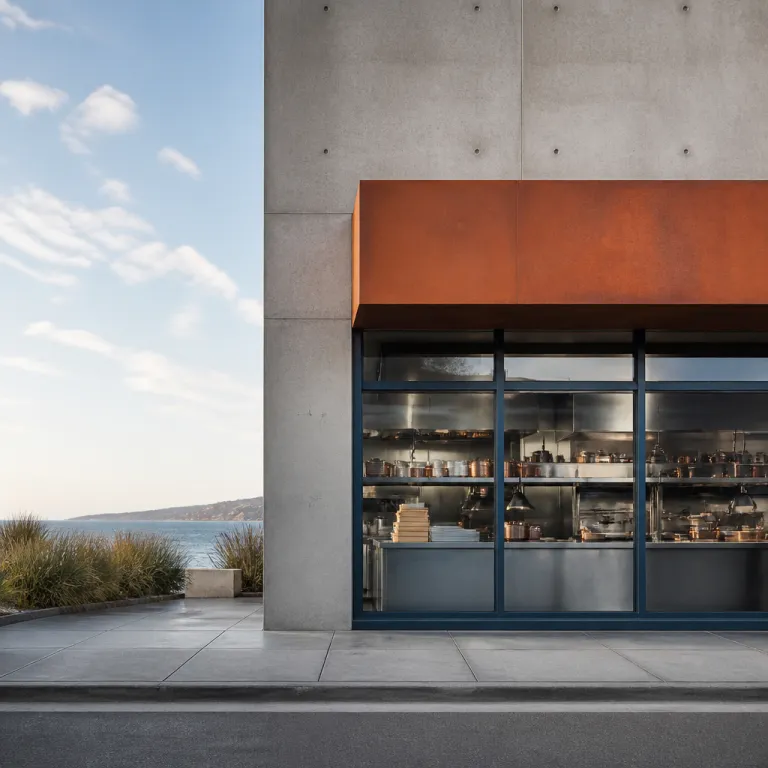
At the new generation of chef led luxury hotels in the United States, many travelers now secure a tasting menu reservation before they even choose a room. These culinary focused properties flip the script, treating the restaurant as the headline act and the hotel as the supporting cast, which reshapes how hospitality management allocates investment, staffing and marketing. For guests used to choosing hotels for a view of hot springs or a dramatic castle silhouette, the real view now might be the open kitchen pass and the chef’s table glowing at the center of the dining room.
The long running partnership between the Fairmont New Orleans and Emeril Lagasse is a textbook example of how a chef driven strategy can define a hotel’s identity over time. Before anyone has seen the room or tested the hot water pressure, Delmonico Steakhouse and The Café by Emeril have already framed expectations about the level of fine dining, the tone of the culinary program and the likely price of a multi course tasting experience. In a crowded field of luxury hotels and large resort style properties across the United States, that kind of clarity matters more than another generic lobby bar or anonymous house restaurant.
Industry reporting backs the shift toward chef led luxury hotels, where the restaurant is no longer an amenity but a core asset. Recent figures from the Michelin Guide show hundreds of starred restaurants operating inside hotels worldwide, while internal benchmarking at major brands indicates that properties treating their dining rooms as serious stand alone venues often see double digit growth in revenue from in house guests and local diners. For people planning a romantic escape or a celebratory weekend, that means the most memorable part of the stay may be a course tasting progression at a chef’s table rather than the thread count in the room.
Quality without pretension: classical technique, modern values
Michelin inspectors now talk about “quality without pretension” and a renewed respect for classical cuisine, and chef driven luxury hotels across the USA are listening closely. Instead of chasing gimmicks, these high end properties focus on a grounded culinary program where a chef respects the craft of a well structured menu, from the first hot course to the final table side tasting of seasonal fruit. That approach resonates with guests who want a dining experience that feels polished yet relaxed, where the dining room hums with quiet confidence rather than theatrical spectacle.
Properties like Rosewood Miramar Beach in California, where Massimo Falsini built Caruso’s seasonal menu, show how classical technique can coexist with coastal ease. The restaurant’s course menus lean on Italian traditions, but the experience feels distinctly Californian, with produce sourced from nearby farms and a wine list that favors regional character over trophy labels, which aligns with the broader hospitality trend toward authenticity. When Caruso’s appeared in the Michelin Guide for multiple consecutive years, it signaled to luxury resorts across the United States that a serious culinary program can elevate an entire hotel’s reputation, not just the restaurant’s.
In New York, Wolfgang Puck’s CUT at Four Seasons Hotel New York Downtown offers another model for the chef driven luxury hotels USA travelers now seek. The steakhouse format is familiar, yet the multi course structure, precise service and focused tasting menu options create a fine dining rhythm that feels accessible to guests who might usually avoid formal hotel restaurants. One regular described the experience as “dinner that feels like a celebration, not an exam,” capturing how that balance of rigor and warmth turns a simple night out into a layered dining experience, one where the chef’s name on the marquee signals reliability rather than intimidation.
From farm novelty to operational standard: sustainability as the quiet luxury
What began as a farm to table talking point has become an operational baseline at many chef led luxury hotels that food focused travelers now favor. At leading brands such as The Ritz Carlton, root to stem and nose to tail cooking have moved from menu novelty to everyday practice, reshaping how chefs design each course and how hotel management negotiates with farms and fisheries. The result is a tighter loop between farm and dining room, where waste drops, flavor improves and the story behind each plate becomes part of the dining experience guests remember.
In practical terms, that means a chef might build a course tasting progression around a single vegetable, using leaves, stems and roots across different course menus to minimize waste. A house restaurant in the Smoky Mountains, for example, can work with nearby farms to turn surplus apples into hot cider, vinegar and dried garnishes, each appearing in different multi course dinners throughout the season, which gives returning visitors a sense of continuity and evolution. When hotels in hot springs regions or near a historic castle invest in these relationships, they are not chasing a marketing slogan but securing long term supply and quality.
For travelers booking chef driven luxury hotels across the USA through platforms like myusastay.com, the sustainability story increasingly influences where they stay and eat. A hotel that can explain how its culinary program supports local farms, reduces waste and respects animal welfare often earns more loyalty than a property that simply adds a token farm salad to the menu. The most forward looking luxury resorts now train their hospitality teams to speak fluently about sourcing at the table, turning every tasting menu into a quiet masterclass in regional ecology.
Experiential dining as the new amenity: when the kitchen becomes the destination
At chef driven luxury hotels USA couples now book, the most coveted amenity is not the spa but a seat at the chef’s table. Hotels are building entire stay packages around immersive dining experiences, from pop up collaborations to hands on course tasting workshops where guests plate dishes alongside the chef. This shift turns the restaurant from a background service into a stage where hospitality, education and entertainment converge in a single multi course arc.
Some properties schedule limited series tasting menu events that run for a defined durée, encouraging guests to plan long term trips around specific culinary program themes. A springs castle style resort near natural hot springs might host a castle hot weekend, pairing geothermal bathing with a fine dining progression that highlights mineral rich local farms and freshwater fish, which gives visitors a narrative thread that connects room, spa and restaurant. In mountain regions such as the Smoky Mountains, hotel restaurants increasingly offer foraging walks followed by a dining room demonstration, where the day’s finds appear across several course menus.
For road trip travelers comparing vehicles for these food led journeys, guides such as the myusastay.com feature on the Honda CR V versus HR V for refined American road trips help match the right car to a chef driven itinerary. Once on property, guests often find that the line between room service and restaurant blurs, with in room tasting menu experiences that mirror the main dining room’s multi course structure. The most successful chef focused luxury hotels across the United States treat every table, whether in a suite or beside the open kitchen, as a front row seat to the same carefully choreographed dining experience.
Plant forward plates and the flexitarian majority: how menus follow the market
The alternative protein market is now valued in the tens of billions of dollars globally, and chef driven luxury hotels USA wide are quietly recalibrating their menus to match that demand. Plant forward is becoming the default rather than the exception, with chefs designing tasting menu progressions where vegetables, grains and legumes carry the narrative while animal proteins appear as accents. For guests who eat flexitarian at home but still want fine dining on the road, this shift makes a chef driven hotel feel aligned with their everyday values.
In practice, that might mean a multi course dinner where a single animal based course sits among several plant led plates, each drawing on different farms across the region. A house restaurant near the Smoky Mountains could feature heirloom corn in a hot broth, wild mushrooms grilled over hardwood and a final course tasting of local berries, all served in a dining room that feels more like a welcoming house than a formal castle. Luxury hotels in urban centers mirror this approach, offering parallel tasting menu options where the plant forward version is not an afterthought but a fully realized culinary program with its own identity.
For hotel management teams, the move toward plant forward dining is not just an ethical stance but a strategic one. It reduces reliance on volatile meat supply chains, supports a broader network of farms and allows hotel restaurants to respond quickly to changing guest expectations across the United States. As one industry summary puts it, “Hotels partnering with celebrity chefs, emphasis on farm to table dining, integration of culinary experiences into hotel packages” now defines the competitive set for chef driven luxury hotels USA travelers trust.
FAQ
Are hotel restaurants led by famous chefs open to non guests ?
Most chef driven luxury hotels USA wide open their restaurants to both staying guests and local diners. Trade guidance confirms this with the statement, “Yes, most hotel restaurants welcome both guests and the general public.” People who are not staying overnight can still book a table, enjoy the full dining experience and then decide whether the hotel’s hospitality style suits a future stay.
Why do luxury hotels collaborate with celebrity chefs ?
Hotels use chef partnerships to elevate their brand, attract food focused travelers and increase revenue from fine dining. Industry reference material explains that properties aim to “enhance guest experience, elevate brand prestige, and increase revenue through gourmet dining,” which aligns with the rise of chef driven luxury hotels USA couples now seek out. A strong culinary program also differentiates a hotel from competitors that rely mainly on location or décor.
How far in advance should I reserve a tasting menu at a chef led hotel ?
For popular chef driven luxury hotels in the United States, booking a tasting menu or chef’s table several weeks ahead is prudent, especially for weekends. Some hotel restaurants release course menus and time slots in monthly blocks, while others allow long term planning for special events or holiday periods. If the restaurant holds a Michelin star or features a well known chef, treat the reservation as central to your trip planning, not an afterthought.
Do chef driven hotel restaurants always offer vegetarian or plant forward options ?
Most serious chef driven luxury hotels USA wide now integrate plant forward dishes into their standard menus, reflecting the growth of the alternative protein market and flexitarian dining habits. Many tasting menu formats include a dedicated vegetarian or vegan progression that mirrors the main multi course structure rather than offering a simplified version. When booking, guests should still mention dietary preferences so the culinary program can tailor specific course tasting elements.
What are some examples of hotels with renowned chef partnerships ?
Globally, well known examples include the Savoy Hotel working with Gordon Ramsay, Rosewood Miramar Beach featuring Massimo Falsini at Caruso’s and Four Seasons Hotel New York Downtown hosting Wolfgang Puck’s CUT. These collaborations show how a chef’s reputation can anchor a hotel’s identity and attract guests who prioritize dining experience over traditional amenities. They also illustrate the broader trend of chef driven luxury hotels USA travelers increasingly expect when booking high end stays.