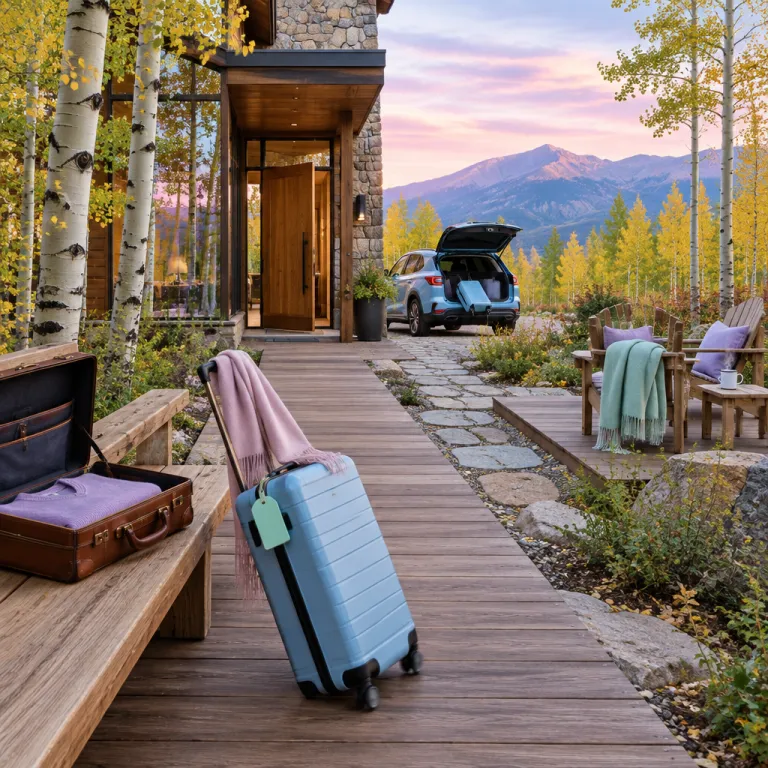
Why the new luxury is altitude, silence and unscheduled time
For the overconnected executive, the true luxury in the United States is no longer a skyline suite but a quiet mountain lodge retreat where the phone finally stays face down. High elevation, a still mountain lake and long views across several states create a physical distance from the boardroom that your nervous system immediately understands, while the right lodge or resort adds just enough polish to keep you comfortable without crowding your mind. In this new definition of luxury, silence, deep sleep and the absence of a rigid day schedule matter more than another lobby bar or yet another design-forward city hotel.
Across the United States, from Aspen, Colorado, to Big Sky, Montana, and from Lake Tahoe to Park City, Utah, executives are choosing lodges that feel like a mountain house rather than a corporate annex. These properties offer strong but discreet connectivity so you can clear a few calls in the morning, then step straight into guided activities such as fly fishing, horseback riding or slow lake kayaking without a shuttle or a scene, and the best of them understand that a single focused meeting can be more productive than a full day of back-to-back sessions. When you book these retreats through a curated luxury travel advisor or a specialist platform, you are not just reserving a room in a hotel, you are reserving the right to move at your own time and to let the landscape rather than the calendar set the pace.
The appeal cuts across regions and industries because the human need is the same. Executives arrive from major hubs like New York, Dallas or San Francisco and feel the shift as soon as the plane dips over a mountain lake or a high desert valley, and the contrast between the noise of the city and the quiet of a blue-sky lodge morning is often what finally unlocks real rest. A well-chosen mountain hideaway offers something a city break rarely can, which is the psychological permission to be off duty even when the laptop is technically within reach, and many guests describe the first uninterrupted eight-hour sleep in months as the moment they realize how depleted they were.
The autumn shoulder: when the mountains belong to you
Autumn is the unsung high season for a mountain lodge escape in the United States, especially for business-leisure travelers who can be flexible with dates. After the summer hiking rush and before the peak ski crowds, occupancy drops across many mountain states, which means quieter public spaces, more attentive service and a feeling that the lodge and its activities are almost yours alone. The air is crisp, the aspens flare gold in Colorado and Utah, and you can actually hear the wind move through the trees rather than the clatter of gear-laden day trippers.
In places like Deer Valley near Park City, Big Sky in Montana and the high valleys around Telluride, Colorado, many lodges stay open year-round but subtly shift their programming once the last summer families leave. Guided hikes become slower, more interpretive walks, fly-fishing days stretch longer under softer light and yoga classes move indoors beside stone fireplaces instead of pool decks, while sound-healing sessions and quiet reading corners replace noisy après-ski scenes. For executives extending a work trip to Salt Lake City or Denver, this shoulder season offers the rare chance to book top-tier resorts at more flexible rates and to enjoy amenities such as private hot tubs, mountain lake views and chef-led tasting menus without the winter bustle.
Some of the most compelling properties in the United States lean into this autumn exhale with thoughtful details. At ranch-style lodges highlighted in guides to why Montana’s great lodges save their best weeks for fall, you might find horseback riding scheduled later in the day to catch the long golden light, or spa therapists trained in grounding treatments timed for jet-lagged arrivals. One hospitality group that compiles anonymized guest feedback across several Western properties reports that average self-rated sleep-quality scores rise by nearly 20 percent in September and October compared with peak winter weeks, a pattern that echoes broader findings from sleep researchers at institutions such as the University of Colorado Boulder, who note that cooler temperatures and longer nights tend to support deeper rest. The result is a kind of quiet abundance, where the landscape does the heavy lifting and the hotel simply offers the right frame for you to step back, breathe and recalibrate before the next quarter begins.
What a mountain lodge must get right for working travelers
Not every alpine resort is built for the executive who still needs to sign a contract before stepping onto the trail. The best properties in the United States understand that you may need fiber-fast Wi‑Fi in your suite and absolutely none of it on the yoga deck or by the mountain lake, and they design spaces so that work and rest do not bleed into each other. Think of a lodge where the library doubles as a quiet call room by day, while the terrace and firepit become strictly device-free zones once the sun drops behind the mountain.
In Colorado, Hotel Jerome in Aspen and several high-end lodges in Telluride have refined this balance, pairing heritage-rich public rooms with modern connectivity and thoughtful wellness programming. You might start the day with a strong espresso and a quick video meeting, then join a small group for guided yoga, sound healing or a free-form stretching session that actually respects tight travel schedules, and by late afternoon you are on a short hike, a fly-fishing lesson or a horseback-riding loop that begins right from the lodge instead of requiring a long transfer. Similar patterns play out in California around Lake Tahoe, where resorts position themselves as year-round bases for executives who want both a polished hotel experience and immediate access to trails, water and quiet.
Dining is another non-negotiable for this audience, and the smartest lodges across the country have moved past fussy tasting menus toward ingredient-driven, unpretentious plates served on your time. A mountain house that offers a late-returning room-service menu, a serious breakfast and a concise but excellent wine list will serve the business-leisure traveler far better than a showpiece restaurant with rigid seating. As West Coast chief marketing officer Elena Ruiz put it after a recent stay in Tahoe, “I needed a place where I could close a deal over Wi‑Fi at 8 a.m. and be unreachable by the lake at 3 p.m.—the lodge made both feel effortless.” When you book through a trusted, well-reviewed guide rather than a generic engine, you are more likely to land in a property that respects both your calendar and your need to step away from it.
Programming for a reset, not an adrenaline reel
Executives choosing a high-country retreat are usually not chasing the most extreme ski line or the longest trail, they are chasing a nervous system reset. That means the right mix of low-key activities and genuine stillness, with the option to explore the landscape without turning every day into a performance, and the most successful lodges in the United States curate their offerings accordingly. Instead of stacking your schedule with back-to-back excursions, they build in white space and invite you to treat rest as a primary activity rather than a leftover.
On a typical day at a well-run lodge in Colorado, California or Utah, you might alternate between guided movement and quiet contemplation. A morning yoga class on a deck overlooking a mountain lake, a midday fly-fishing lesson on a nearby river and an unhurried afternoon by the fire with a book can be more restorative than any adrenaline itinerary, while optional sound-healing sessions or breathwork circles help guests downshift from constant decision-making. In places like Deer Valley, Lake Tahoe and Big Sky, many resorts now offer free or included wellness programming for overnight guests, recognizing that executives value frictionless access to care as much as they value a strong Wi‑Fi signal.
Evenings are where the mountain house atmosphere really matters. Instead of loud bars and forced social activities, the best lodges offer quiet lounges, small-scale tastings and perhaps a short talk on local ecology or ranch life, echoing the slower ethos found in curated guides to wine country hotels that earn their view when the vineyard is more than a backdrop. When you book retreats through a platform or advisor that understands this difference, you avoid properties that confuse constant entertainment with hospitality and instead land in places where the night sky, the crackle of the fire and the simple act of being off duty do most of the work.
Choosing between a working ranch and a polished lodge
One of the most strategic decisions for any executive planning a mountain getaway is choosing the right level of rusticity. A polished resort-style lodge in Aspen or Lake Tahoe will feel very different from a working ranch in the wide-open states of Montana or Wyoming, and the wrong match can turn a reset into a frustration. The key is to be honest about how much mud, unpredictability and hands-on activity you actually want after a quarter of back-to-back flights.
Working ranches, including those highlighted in features about why Montana lodges save their best weeks for fall, lean into horseback riding, fence-line tours and sometimes even light cattle work. Connectivity can be limited by design, meals are often served family-style and the rhythm of the day follows the land rather than a spa schedule, which can be deeply freeing for guests who are ready to unplug completely. By contrast, a more polished mountain house near Park City in Utah, or a historic property like Mohonk Mountain House in New York State, offers structured activities, extensive spa menus and reliable in-room technology, making it easier to blend a few hours of work with long walks, yoga or lake activities.
Some executives split the difference by pairing a few nights at a refined lodge such as The Lodge at Blue Sky, often referred to simply as Blue Sky, with a shorter stay at a more rugged property, sometimes even outside the United States in places like Costa Rica where rainforest meets mountain. This extend-a-trip logic mirrors the way travelers might combine a city meeting with a desert retreat or a wine country stay, and many travel planners now organize itineraries that move from urban intensity to rural quiet in a single, seamless journey. Whatever mix you choose, the goal is the same, to step away from the constant noise long enough that you return not just rested but recalibrated, with the mountain and lake air still in your lungs when you open your laptop again.
FAQ
What makes a mountain lodge retreat USA ideal for business leisure travelers
The best mountain lodge retreat USA options balance reliable connectivity with intentional disconnection. Executives can handle essential work in well-equipped rooms or libraries, then step directly into nature-focused activities such as hiking, fly fishing or yoga without long transfers. This combination of efficiency and immersion in open landscapes is what makes these retreats uniquely effective for business-leisure travelers.
How many days should I plan for a restorative lodge stay
Most executives find that three to four nights at a mountain lodge retreat USA is enough to feel a genuine reset. The first day is often about decompression from travel and work, while the second and third days allow for deeper rest, outdoor time and wellness treatments. A fourth night can help you integrate the experience before returning to a busy schedule.
Is autumn really better than winter for a mountain reset
Autumn usually offers a quieter, more spacious experience than peak ski season. Lodges in destinations such as Aspen, Colorado, Park City and Lake Tahoe often see lower occupancy between summer and winter, which means more privacy and calmer public spaces. The cooler air, changing foliage and softer light also support better sleep and more reflective time outdoors.
How should I choose between a working ranch and a polished lodge
Your choice depends on how much structure and comfort you want alongside the landscape. A working ranch emphasizes hands-on activities like horseback riding and may have limited connectivity, while a polished lodge offers full-service dining, extensive spa options and stronger technology. Business-leisure travelers who still need to work part of the day usually prefer the lodge model, while those seeking a full digital detox often choose the ranch.
Can I bring family or colleagues on a mountain lodge reset
Many mountain lodges in the United States are designed to welcome both families and small executive groups. Suites, connecting rooms and flexible common spaces make it easy to blend private time with shared activities such as guided hikes or lake outings. When booking, clarify whether you need quiet zones for calls or meetings so the property can recommend the right room types and locations.