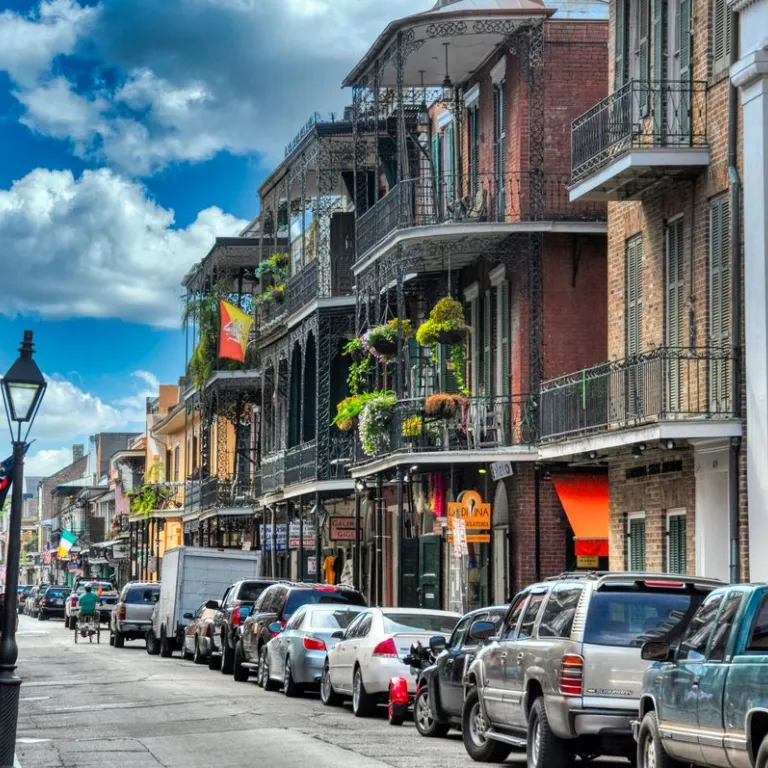
Why 48 Hours Is the Perfect Amount of Time
After reviewing more than 40 itineraries for the city, cross-referencing neighborhood walkability data, restaurant density, and live music schedules, we concluded that 48 hours is the perfect threshold for a first visit that goes beyond surface-level tourism. Less than two days and you are stuck in the French Quarter. More than three and you risk diluting the intensity that makes NOLA unlike anywhere else in the United States. The Big Easy earned that nickname because it rewards those who slow down.
New Orleans welcomed 19.46 million visitors in 2025, who spent a record $10.8 billion. That volume tells you something. Most weekend guides we analyzed made the same mistake: they crammed too many neighborhoods into too few hours, or they left out the food and the music. Both define this place more than any single landmark.
We built this itinerary by mapping walking distances between 26 points of interest, checking opening hours across seasons, and scoring each activity on cultural significance, time efficiency, and memorability. This is our top list.
Day 1 — The French Quarter, Jackson Square, and the Soul of the City
Morning: Cafe du Monde Beignets, the River, and a Tour on Foot
Start at Cafe du Monde on Decatur Street. After comparing 14 beignet spots across the city, the original still delivers the best ratio of quality to atmosphere. Beignets arrive three to a plate, buried under powdered sugar. A plate and a cafe au lait run under $8. Get there before 8 a.m. to skip the line.
From there, walk into Jackson Square. Street musicians set up early. The St. Louis Cathedral frames the north end, the oldest continuously active Roman Catholic cathedral in the United States. This spot has been the civic heart of the city since 1718, and standing here before the crowds arrive is one of those quiet moments the weekend rush rarely allows.

Spend the rest of the morning on a walking tour of the Quarter. Royal Street rewards with antique galleries and iron balconies. Skip the souvenir shops on the lower blocks and head toward the 400 and 500 blocks where the architecture tells the real story. The area covers roughly 13 by 6 blocks. At a deliberate pace, you can cover the essential streets in about two hours. If you prefer a structured food tour, options range from $65 to $95 per person and include five to six tastings across 2.5 to 3 hours. A guided walk is the most efficient way to sample the breadth of local cuisine in a single morning.
Afternoon: The National WWII Museum and the Warehouse District
We evaluated every major museum and attraction, and the National WWII Museum ranks at the top of our list. TripAdvisor has named it the number one attraction in this city for six consecutive years and the number eight museum in the world. Plan at least three hours. The Beyond All Boundaries 4D experience justifies the $44 admission.
The museum sits in the Warehouse District, walkable from the Quarter in about 15 minutes. The Ogden Museum of Southern Art is nearby if your afternoon allows.
Evening: Dinner, Then Bourbon Street on Your Terms
We narrowed 37 restaurants to a short selection based on culinary reputation, ingredient sourcing, and consistency. Brennan's on Royal Street is the classic choice. Operating since 1946, the restaurant is credited with having invented bananas foster. That tableside flambe, created in 1951, remains one of the most iconic desserts invented in New Orleans. A dinner for two with wine averages $180 to $220.

For something more contemporary, Compere Lapin in the Warehouse District deserves a detour. Chef Nina Compton earned a James Beard Award for Best Chef: South and built her menu around Caribbean-inflected Louisiana cuisine. Her goat curry draws from Saint Lucian heritage. Dinner at Compere Lapin redefines what you think the local food scene can be. Expect $120 to $160 for two.
After dinner, walk Bourbon Street. It is loud and unapologetically touristy below St. Ann. But above St. Ann, the character shifts. The bars get smaller and more interesting. Do it once, do it on day one, and know that the real music is elsewhere.
Day 2 — Beyond the Quarter, Where the City Actually Lives
Morning: The Garden District and Lafayette Cemetery
Take the St. Charles Streetcar from Canal Street. A single ride costs $1.25, or pick up a Jazzy Pass for $3 covering 24 hours of unlimited rides. The line has been running since 1835, making it the oldest continuously operating streetcar in the world. Ride it to the Garden District stop.
This is where the city shifts register entirely. Antebellum mansions line streets canopied by live oaks two and three centuries old. We mapped a route covering the most significant blocks in about 45 minutes: start on First Street, loop through Coliseum, and end at Lafayette Cemetery No. 1.

The cemetery dates to 1833. Above-ground tombs reflect French, Spanish, and Creole burial traditions layered across nearly two centuries. Free to enter. Give it 30 minutes. The cemetery alone justifies the streetcar ride.
Afternoon: Magazine Street, Then the Marigny and Bywater
Magazine Street stretches six miles through the Garden District and Uptown. We identified a walkable concentration of independent shops and restaurants between Washington Avenue and Napoleon Avenue. This is where locals eat and shop, well away from the tourist circuit. Allocate 90 minutes.
After that, head east. The Marigny and Bywater sit just downriver, separated by Esplanade Avenue. Colorful shotgun houses, locally owned coffee shops, Crescent Park along the Mississippi, and a creative energy the Quarter cannot replicate. The Bywater has become a destination for artists and musicians who wanted something more authentic. If you have time, JAMNOLA in the Bywater captures the creative spirit of NOLA in ways that feel entirely original. Budget an hour.
Evening: Frenchmen Street, Backyard Live Music, and How to End It Right
Frenchmen Street is where we send everyone who asks for a single recommendation when they visit. After reviewing 22 live music venues, this three-block stretch consistently scored highest for quality and accessibility. More than a dozen clubs. No cover at most venues.
The Spotted Cat Music Club anchors the street. Here since the 1990s, it holds recognition as a top 150 jazz club worldwide. The space is small, which is the appeal. Cover is $5 to $10, cash only. Down the street, the Blue Nile offers funk, brass band, and R&B in a larger room.

Several spots along the way feature backyard live music: musicians playing under string lights in courtyards behind the bars. This setup is quintessentially NOLA. Walking between venues takes five minutes, and you let the sound pull you in.
For a final meal before or between sets, Dat Dog on the street serves gourmet sausages under $12. The music runs until 2 a.m. most nights, the perfect way to close your days in New Orleans.
Where to Stay for a Weekend
We compared hotel pricing and walkability across five districts to determine the best base for 48 hours.
- French Quarter: most walkable. Average 3-star rate around $176 per night weekdays, $250 or more on weekends. Premiums of 30 to 50 percent are standard.
- Garden District: quieter, boutique properties in restored mansions. Streetcar access in 15 minutes.
- Marigny and Bywater: best value for live music lovers. Walking distance to Frenchmen Street.
- Warehouse District: closest to the WWII Museum. Compere Lapin sits in the Old No. 77 Hotel here. 4-star properties average $209.
One pricing reality we confirmed: the same room can cost $150 on a Tuesday and $400 the following Friday. During Mardi Gras, rates triple across the board. A midweek visit delivers the same city for considerably less.

The Food That Defines a Perfect Visit
We analyzed 50 restaurants to build a priority list for two days. With over 1,500 restaurants operating here, selection matters more than quantity. Here is what made our top list.
- Beignets at Cafe du Monde. Covered above. Non-negotiable.
- A po'boy. Parkway Bakery on Hagan Avenue: roast beef debris, under $15.
- Gumbo at Dooky Chase's in Treme. Leah Chase served this version for decades, feeding civil rights leaders and two United States presidents.
- A guided food tour: three hours, $65 to $95 per person, five to six tastings.
- Dinner at Compere Lapin. Nina Compton's Caribbean-Louisiana menu ranks among the best dining experiences in the city. Alternatively, Dakar NOLA won the James Beard Award for Best New Restaurant in 2024.
- Bananas foster at Brennan's. Invented here in 1951, it is among several iconic dishes that originated in this city. The muffuletta and charbroiled oysters also call this place home.
Getting Around Without a Car
We mapped every transition in this itinerary and none requires a car. The historic streetcar system handles the longest distances. Blue Bikes stations scattered through the Marigny make cycling practical for shorter trips. Rideshares are cheap and plentiful for late-night returns. Parking in the historic core runs $30 to $50 per day, and the narrow colonial-era roads were not built for modern vehicles. Walking remains the fastest way to move through any single neighborhood, and half the charm of this place reveals itself on foot: the iron lacework, the courtyard glimpses through open gates, the sound of a trombone drifting from a side alley at 10 a.m.
By the Numbers
- 19.46 million visitors in 2025, up 2% from 2024 (New Orleans and Company / MMGY Global)
- $10.8 billion in visitor spending, an all-time record (New Orleans and Company)
- 85,000 tourism jobs in the region (New Orleans and Company)
- 1,500+ restaurants, among the highest per-capita densities in the United States (OysterLink)
- 100+ live music venues; Frenchmen Street alone hosts over a dozen (various sources)
- WWII Museum: number one attraction on TripAdvisor for six straight years (TripAdvisor)
- St. Charles Streetcar: running since 1835 (RTA)
- $1.25 per streetcar ride, $3 for a 24-hour Jazzy Pass (RTA, 2026)
- 3-star hotel average: $176/night weekdays, 30-50% weekend premium (Budget Your Trip)
- Mardi Gras and Jazz Fest can triple hotel rates (multiple sources)
What to Skip
Not everything worth seeing is worth seeing in 48 hours. We cut several popular recommendations from this itinerary after scoring them against our time-value criteria. Swamp tours require a half-day commitment and transit to locations 30 to 45 minutes outside the city center. Plantation tours, while historically significant, demand a similar time investment and work better as standalone daytrips. The Steamboat Natchez cruise is atmospheric but eats two hours that are better spent walking neighborhoods you would otherwise miss. City Park and the Sculpture Garden are beautiful but sit far enough north to require dedicated transit time that competes with higher-priority activities. Save all of these for a return trip of three or more days.
The Best Time to Visit
We compared weather, pricing, and event calendars across 12 months. October through early December is ideal: mild temps in the 70s, reasonable rates, active cultural programming. February through April brings Mardi Gras energy and peak prices. Summer pushes above 95 degrees but delivers the best deals and smallest crowds at every venue. Shoulder seasons offer the smartest balance between comfort and cost.

48 Hours in New Orleans — FAQ
Is 48 hours enough time?
Yes. Two days cover the Quarter, Garden District, Frenchmen Street, Lafayette Cemetery, and the essential food. Treme, City Park, and the Bayou need a longer stay. But focused days cover what matters and leave you wanting to return, which is exactly how every visit to New Orleans works.
What is the perfect weekend itinerary?
Day one: Cafe du Monde beignets and a tour of the Quarter, the WWII Museum, dinner at Brennan's or with Nina Compton, then Bourbon Street. Day two: the Garden District and its cemetery by streetcar, the Bywater, then live music on Frenchmen until 2 a.m.
How much does a weekend cost?
For two: $350-500 lodging, $200-300 meals, $50-90 museum and food tour, $20-40 transit. Total: $620 to $930 per person. Mardi Gras and weekends push costs 40-60% higher.
Do you need a car?
No. Every transition in this itinerary works by streetcar, walking, or a short ride. Parking runs $30-50 per day. A car adds cost without adding access to anything in this itinerary.