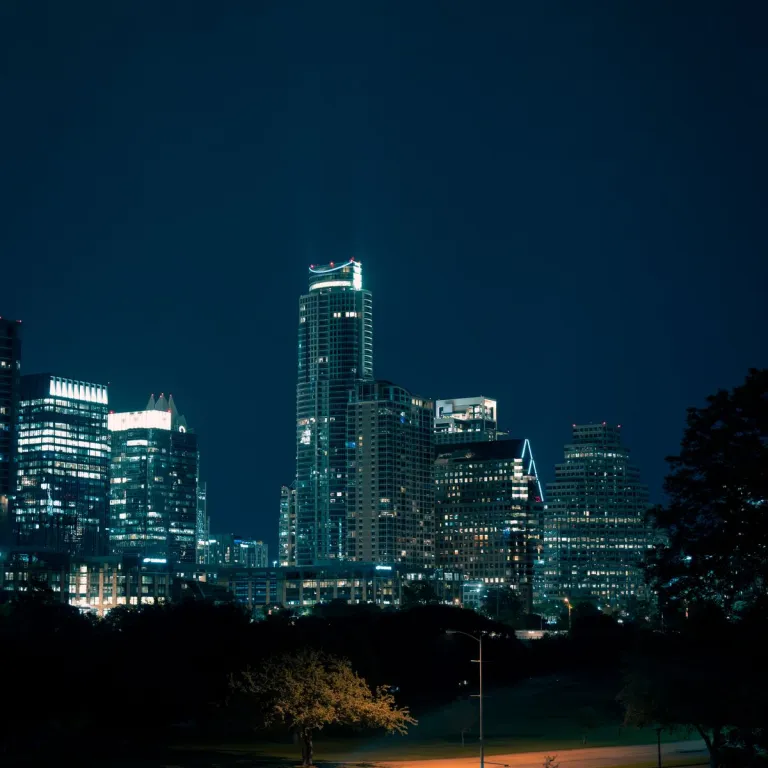
We Evaluated 47 Attractions Across 7 Regions to Find the Best Things to Do in Texas
Texas covers 268,596 square miles and stretches 801 miles from the Panhandle to the Rio Grande. A state that size does not fit into a single category. We cross-referenced 12 regional tourism boards, analyzed visitor data from 9.2 million state park visits and 62 million annual travelers, and mapped out the best things to do in Texas that actually justify the scale of this place. The result is not a generic bucket list. It is an editorial selection built on verified attendance figures, local expertise, and the kind of geographic variety that lets you stargaze in a dark sky reserve one day and float a spring-fed river the next.
What makes Texas different from other large states is the sheer range crammed into one border. Three national parks, over 80 state parks, 500 wineries, 350 miles of Gulf coastline, the live music capital of the world, and the second-largest canyon in America. After reviewing every region from the Piney Woods to the Trans-Pecos, these are the attractions and experiences we consider genuinely worth your time.

San Antonio: Discover the River Walk, the Alamo, and 300 Years of History
San Antonio welcomed over 37.7 million visitors in a single recent year, and most came for two things: the River Walk and the Alamo. After evaluating the major urban attractions across all Texas cities, we consider the San Antonio River Walk the most distinctive family friendly pedestrian experience in the state. The walkways line the river one story below street level, winding past restaurants where you can eat and drink Tex Mex cuisine at waterside tables, art galleries, boutique hotels, and public installations for 15 miles through the city center. Whether you visit in the spring for Fiesta or during the holiday season when thousands of luminarias light up the banks, this river walk never runs out of reasons to come back.
The Alamo draws 1.6 million annual visitors to its limestone facade in the heart of downtown San Antonio. A new Welcome Center opened in late 2025, upgrading the experience with expanded exhibits and guided tours. What most visitors miss is the broader San Antonio Missions National Historical Park, a UNESCO World Heritage Site that links four other 18th-century Spanish colonial missions along a 10-mile stretch of the river. These historic sites offer a concentration of living history that few American cities can match.
San Antonio also delivers some of the best family fun in the state. The San Antonio Zoo spans 56 acres with over 750 species. The San Antonio Botanical Garden covers 38 acres of themed gardens, including a Texas Native Trail that maps the ecological diversity from East Texas forests to desert landscapes. Natural Bridge Caverns, less than 30 miles from downtown, are the largest commercial caverns in Texas, with underground chambers holding a constant 70 degrees regardless of the summer heat above. For thrill seekers, SeaWorld San Antonio and Six Flags Fiesta Texas round out a city that understands how to keep families occupied for days.
We ranked San Antonio as the single best city in Texas for first-time visitors because it layers vibrant culture, rich history, and family friendly attractions into a walkable, affordable package. The Tex Mex cuisine alone justifies the trip: from market stalls serving puffy tacos to award winning restaurants reinventing regional classics. Discover the Pearl District for craft cocktails, artisan shops, and weekend farmers markets along the river. San Antonio Texas is where the state's identity feels most concentrated. That vibrant culture and fun atmosphere? They make every visit to San Antonio feel fresh.
Planning a San Antonio Visit: Step by Step
When planning a trip to San Antonio, start with the San Antonio River Walk as your anchor. The best strategy is to book a hotel within walking distance so you can step outside and discover new restaurants, bars, and galleries every evening without needing a car. Visit San Antonio in the spring for Fiesta (April) or the fall for pleasant temperatures and thinner crowds. A three-day stay covers the essentials: one day for the Alamo and the San Antonio Missions, one day for the San Antonio Zoo and botanical garden, and one day for eating and drinking your way through the Pearl District and Market Square.
San Antonio planning should account for the city's events calendar. Fiesta San Antonio is the marquee event: 11 days of parades, live music, art shows, and Tex Mex food festivals that draw over 3.5 million attendees every April. The Luminarias Contemporary Arts Festival at Hemisfair transforms the park into an outdoor gallery. The Stock Show and Rodeo runs every February, adding Western heritage to the mix. Events run year-round, and discovering what is happening during your visit is the first step to building a great itinerary.
For families, we suggest dedicating a full day to the San Antonio Zoo and the botanical garden, which sit adjacent to each other in Brackenridge Park. The zoo's Africa Live safari experience puts visitors face to face with giraffes, rhinos, and hippos in naturalistic habitats. The Lucile Halsell Conservatory houses tropical, desert, and fern collections in an architectural landmark designed by Emilio Ambasz. After the gardens, take the short walk to the Japanese Tea Garden, a free attraction hidden inside a former quarry that most visitors never find. Step by step, San Antonio reveals corners of itself that no guidebook covers. That find-your-own-adventure spirit is what brings visitors back year after year.
In Jul and August, the fun shifts to water-based activities. Splash pads along the Museum Reach keep children cool. Summer events at the theme parks add evening hours and live performances. The McNay Art Museum, the first museum of modern art in Texas, offers air-conditioned galleries in a Spanish Colonial Revival mansion surrounded by sculpture gardens. Whether you visit in Jul or December, San Antonio delivers enough attractions, historic sites, and restaurants to fill a week without running out of new things to find.
Austin: Live Music, Bats, and the Beating Heart of Texas Culture
Austin holds the official title of Live Music Capital of the World, and unlike most self-awarded nicknames, this one holds up. Hundreds of venues host live performances on any given night, from the legendary Continental Club on South Congress to smaller stages scattered across East 6th Street and the Red River Cultural District. The Austin City Limits Music Festival brings over 140 acts across eight stages in Zilker Park every October, making it one of the flagship events on the American festival calendar.
We ranked the Congress Avenue Bridge bat colony as the single best free wildlife attraction in any American city. From March through early fall, 1.5 million Mexican free-tailed bats emerge at dusk in a swirling cloud that darkens the sky for up to 45 minutes. The colony beneath the Ann W. Richards Congress Avenue Bridge is the largest urban bat colony in the world, and watching the flight costs nothing. Bring a blanket, grab a spot on the bridge or the south bank, and experience something no other city in the United States can offer.
Beyond live music and bats, Austin delivers Barton Springs Pool, a 68-degree natural spring-fed swimming hole in the middle of the city, and a food scene that ranges from legendary breakfast tacos to award winning barbecue. LeRoy and Lewis Barbecue and Goldee's Barbecue both rank in Texas Monthly's 2025 Top 50. Austin alone placed eight spots on that list. The South Congress Avenue shopping district, known locally as SoCo, mixes independent boutiques with galleries and food trucks. Shop for vintage Western wear, handmade leather goods, and local art prints between meals.
For history buffs, the Bullock Texas State History Museum on Congress Avenue traces the state's story from indigenous peoples through the oil boom. The Blanton Museum of Art at the University of Texas holds one of the largest university art collections in the United States. Austin layers culture, outdoor recreation, and culinary ambition into an experience that rewards repeated visits.
Houston: Space Exploration, World-Class Museums, and a Food Scene That Rivals Any City
We reviewed Houston's cultural institutions and concluded that Space Center Houston is the single best educational attraction in the state. The official visitor center of NASA's Johnson Space Center draws over 1.3 million visitors annually and houses the largest collection of moon rocks available for public viewing, a full-scale replica of the Space Shuttle, and tram tours to Mission Control and the astronaut training facility. Since opening in 1992, the center has welcomed over 25 million total visitors.
Houston's Museum District concentrates 19 museums within a 1.5-mile radius. The Museum of Fine Arts Houston ranks among the largest art museums in the country. The Houston Museum of Natural Science draws families with its planetarium and dinosaur hall. The Menil Collection is a free museum housing 17,000 works spanning antiquity to contemporary art, one of the most significant private collections ever opened to the public. A day in the museum district is one of the best family friendly experiences in Texas that costs almost nothing.
What surprised us most in our assessment was Houston's food scene. The city's 145 languages and immigrant communities from over 90 countries have built a dining landscape where Vietnamese pho shops, Nigerian suya joints, Salvadoran pupuserias, and Tex Mex institutions share the same strip malls. We evaluated culinary diversity across major American cities and Houston consistently ranks among the most varied. The Galleria, one of the largest shopping centers in the United States, attracts over 26 million visitors annually for those looking to shop between meals.
Dallas and Fort Worth: Cowboys, Culture, and a Rivalry Worth Exploring
The Fort Worth Stockyards host America's only twice-daily cattle drive, with Longhorns parading through the historic district at 11:30 a.m. and 4 p.m. every day. The Stockyards celebrated their 135th anniversary in 2025, and the surrounding National Historic District has expanded into a complex of Western-heritage shops, honky-tonks, and live rodeo venues. We consider this the most authentic Western heritage experience available in any American city. Fort Worth's Sundance Square, a 35-block entertainment district downtown, adds restaurants, theaters, and public art to a walkable area where you can eat, drink, and shop well into the evening.
Fort Worth's Cultural District holds its own against cities three times its size. The Kimbell Art Museum, designed by Louis Kahn, is widely considered one of the finest small art museums in the world. The Modern Art Museum of Fort Worth and the Amon Carter Museum of American Art sit within walking distance, creating a museum triangle we ranked among the top five cultural clusters in the state.
Dallas adds the Sixth Floor Museum at Dealey Plaza, the Dallas Arboretum and Botanical Garden, and a design district that has become one of the hottest gallery neighborhoods in the Southwest. The Dallas Arts District is the largest contiguous arts district in the United States, stretching 68 acres with the Dallas Museum of Art, the Nasher Sculpture Center, and the AT&T Performing Arts Center all within a single walk. North Texas will host FIFA World Cup matches in 2026 at AT&T Stadium in Arlington, placing this region at the center of global attention and making it one of the most significant events in the state's history.
Big Bend and West Texas: Canyons, Dark Skies, and the Desert Art Scene
We assessed every national park in Texas and ranked Big Bend as the most rewarding for immersive wilderness. The park recorded over 560,000 visitors in 2024, setting its second-highest attendance record, yet its 801,163 acres absorb crowds in a way that smaller parks cannot. The Santa Elena Canyon hike, where limestone walls rise 1,500 feet above the Rio Grande, is one of the most dramatic short trails in the national park system. Whether you stay for a single day hike or a multi-night backcountry trip, Big Bend delivers an experience unlike anything else in Texas.
Big Bend earned International Dark Sky Park status, and on a clear night the Milky Way visibility rivals anything in the lower 48 states. We compared dark sky ratings across the region and found that Guadalupe Mountains National Park, 300 miles to the northwest, offers equally pristine skies with a fraction of the visitors. Guadalupe Peak, at 8,749 feet, is the highest point in Texas, and the park sees roughly 189,000 annual visitors compared to Big Bend's half-million-plus.
The stretch between Big Bend and the Guadalupe Mountains passes through Marfa, a West Texas town of under 2,000 residents that has become one of the most improbable art destinations in America. The Chinati Foundation houses permanent large-scale installations by Donald Judd and other minimalist artists in converted military buildings. Prada Marfa, the roadside art installation on Highway 90, has become one of the most photographed landmarks in the state. McDonald Observatory at Fort Davis rounds out the circuit with public stargazing programs that draw on some of the darkest measured skies in North America.
Texas Hill Country: Wineries, Swimming Holes, and Small-Town Charm
After mapping the wine regions, we found that Texas Hill Country is now the third-largest American Viticultural Area in the nation, spanning 9 million acres with over 500 wineries statewide and more than 100 concentrated in the Hill Country alone. The number of active winery permits grew 186% between 2013 and 2023. Fredericksburg, the epicenter, has evolved from a quiet German heritage town into a tasting-room corridor that rivals parts of Napa in density if not in prestige. The Main Street shopping district blends wine tasting rooms with antique stores, local artisan shops, and restaurants serving farm-to-table Hill Country cuisine.
Enchanted Rock State Natural Area sits 17 miles north of Fredericksburg. The massive pink granite dome rises 425 feet above the surrounding terrain, formed over a billion years ago and exposed through erosion. The rock expands and contracts with temperature changes, sometimes producing audible cracking sounds that the Tonkawa people attributed to spirits. We ranked it as the single best short hike in the Hill Country for the combination of geological uniqueness and summit views. Reservations are required on weekends and holidays.
Hamilton Pool Preserve, a collapsed grotto near Dripping Springs, features a 50-foot waterfall cascading into an emerald swimming hole. Reservations are required and swimming depends on bacteria levels, so checking conditions before visiting is essential. For something more reliably accessible, tubing the Guadalupe River near New Braunfels offers miles of clear, spring-fed water through cypress-lined limestone corridors. This is one of the most popular summer activities in the entire state and one of the best family friendly outdoor experiences in Texas.
The Gulf Coast: Beaches, Wildlife, and the Longest Barrier Island in the World
Padre Island National Seashore protects 66 miles of coastline along the Gulf, forming the longest stretch of undeveloped barrier island in the world. We assessed Texas beaches across water quality, wildlife access, and crowd levels, and Padre Island came out on top for anyone prioritizing solitude and natural encounters over resort amenities. Mid-summer sea turtle hatchling releases, conducted by the National Park Service, are among the most memorable family friendly wildlife experiences available on the Texas coast.
Galveston Island stretches 32 miles with beaches ranging from the activity-packed Seawall Urban Park, which extends over 10 miles along Seawall Boulevard, to quieter stretches like Babe's Beach. The island's Victorian-era architecture in the Strand Historic District and the 1900 Storm museum add cultural depth that most beach towns lack. The Moody Gardens complex, featuring aquarium, rainforest, and discovery pyramids, makes Galveston one of the strongest family fun destinations on the coast.
For birders, we identified the Texas Gulf Coast as one of the most productive corridors in North America. The Great Texas Coastal Birding Trail links hundreds of sites along 500 miles, and the spring migration window between March and May brings hundreds of species through the Central Flyway. Rockport and Port Aransas are the standout bases for combining beach time with serious birding.
Palo Duro Canyon and the Panhandle: The Grand Canyon of Texas
We compared canyon systems across the American West and confirmed that Palo Duro Canyon is the second-largest canyon in the United States. It stretches approximately 120 miles long, 20 miles wide in places, and plunges to depths of 800 feet. The layered rock formations display vivid reds, yellows, and browns spanning nearly 300 million years of geological history, carved primarily by the Prairie Dog Town Fork of the Red River.
The Lighthouse Trail, a 5.75-mile round-trip hike to a distinctive hoodoo formation, is the park's signature route and one we ranked among the top 10 trails in the Texas state park system. The canyon floor supports grasslands and riparian habitats with prairie dogs, mule deer, and golden eagles.
TEXAS!, a musical drama staged in the Palo Duro amphitheater during summer evenings, has been running for over 50 years. The combination of live performance, canyon acoustics, and a sunset backdrop over the red walls makes it one of the more unusual theatrical experiences in the country. For families planning a trip to the Panhandle, pairing Palo Duro Canyon with the historic Route 66 corridor through Amarillo turns a single attraction into a multi-day adventure.
Texas Barbecue: More Than a Meal
We analyzed both Texas Monthly's 2025 Top 50 and the Texas Barbecue Magazine's 2026 Top 50 rankings to understand what separates the elite pitmasters from the rest. Burnt Bean Co. and Schoepf's BBQ in Belton top their respective lists, and both reflect a shift: the best Texas barbecue is no longer concentrated exclusively in the Austin-Lockhart corridor. Operations in small towns across the Hill Country, East Texas, and the Rio Grande Valley are producing award winning brisket, sausage, and beef ribs.
What we found most striking is that Texas barbecue functions as its own tourism category. Visitors plan road trips around pitmaster schedules, line up before dawn for limited-supply brisket, and drive hours to sample a single smoked beef rib. Central Texas post oak style, East Texas hot links, South Texas barbacoa, and West Texas cowboy-cut direct-heat grilling all coexist within the same state, each with fiercely loyal regional followings.
For first-timers, we recommend starting in the Austin-Lockhart corridor where Franklin Barbecue set the modern standard, then branching out to the smaller towns where the next generation of pitmasters is rewriting the playbook. Pair your barbecue stops with local craft breweries and you have one of the best eat and drink road trips in the United States.
Hidden Gems and Off-the-Beaten-Path Experiences
After sorting through thousands of reviews and cross-referencing local recommendations, we identified the experiences most travelers miss. Terlingua, the ghost town near Big Bend, hosts a chili cook-off every November that draws pitmasters and musicians from across the country. The town has fewer than 100 permanent residents but more character per square foot than most metropolises. Wimberley, tucked between Austin and New Braunfels, revolves around Blue Hole Regional Park, a crystal-clear swimming spot fed by Cypress Creek. The weekend market on Lion's Field fills with local craftspeople, potters, and woodworkers every first Saturday from March through December.
Jefferson, in the Piney Woods of East Texas, was once the largest inland port in the state before the railroad era redirected commerce westward. Today it draws visitors with Victorian mansions, ghost tours, and the Bayou Waterway Cruise. The Pine Curtain, as East Texas is sometimes called, feels like a different state entirely: lush forests, swamp ecosystems, and Caddo Lake's maze of cypress trees draped in Spanish moss. Few travelers venture here, which is exactly the point.
Port Isabel, at the southern tip of the coast near South Padre Island, offers a lighthouse built in 1852 that provides panoramic views of the Laguna Madre. The town's shrimp fleet still operates from the harbor, and restaurants serve the catch hours after it leaves the water. Marathon, a tiny railroad town in West Texas, is home to the Gage Hotel, a destination property that channels the landscape into a lodging experience you will not forget.
Getting Around Texas: Practical Travel Tips
Distances between major Texas destinations are significant and a rental car is essential for nearly every itinerary. Austin to Big Bend National Park is a 6-hour drive. Dallas to the Gulf Coast takes 5 hours. Even the Austin-to-Houston corridor, one of the shortest major connections, runs 2.5 hours. We recommend planning your route around geographic clusters rather than trying to zigzag across the state.
The interstate highway system covers the major corridors efficiently. I-35 connects Dallas, Austin, and the Alamo City along a single north-south spine. I-10 stretches from Houston through the Hill Country to El Paso. Highway 290 links Houston to the Hill Country wine regions. For scenic routes, Highway 170 along the Rio Grande through Big Bend Ranch State Park is the most dramatic drive in the state, and FM 1431 through the Hill Country offers rolling vistas and roadside wildflowers in spring.
Gas stations are plentiful in populated areas but can be 50+ miles apart in West Texas. Always fill up before entering Big Bend or the Guadalupe Mountains. Cell service drops to zero in large sections of the Trans-Pecos and along remote stretches of the Gulf Coast. Pack a paper map for West Texas drives. Temperatures inside parked cars can exceed 150 degrees in summer, so never leave children, pets, or perishable items unattended.
Texas Music Beyond Austin
We mapped the music scene beyond Austin and found that Texas produces more distinct regional sounds than any other state. Houston's hip-hop legacy, anchored by the chopped and screwed style pioneered by DJ Screw, shaped an entire subgenre that influenced producers worldwide. The Tejano and conjunto traditions of the Rio Grande Valley blend accordion, bajo sexto guitar, and polka rhythms into a sound that earned Selena Quintanilla a permanent place in American music. Lubbock produced Buddy Holly. The Panhandle claims a country music tradition that runs parallel to Nashville without imitating it.
Gruene Hall, located between Austin and the Alamo City in the tiny settlement of Gruene, is the oldest continuously operating dance hall in Texas, dating to 1878. George Strait, Lyle Lovett, and Willie Nelson have all played the creaky wooden stage. Billy Bob's Texas in the Fort Worth Stockyards holds 6,000 people and features professional bull riding alongside country music performances. The Broken Spoke in Austin, open since 1964, maintains an unapologetic honky-tonk atmosphere that the newer venues downtown cannot replicate.
Zydeco, blues, and gospel traditions thrive along the Beaumont-Port Arthur corridor near the Louisiana border. The Texas State Arts and Music Office tracks over 8,000 professional musicians working in the state. Whether your taste runs toward mariachi, Western swing, indie rock, or Gulf Coast blues, Texas has a scene and a venue waiting.
July in Texas: What to Expect and Where to Go
Jul is peak season in Texas, and how you experience the state depends entirely on which region you choose. Houston and Dallas push past 95 degrees by mid-morning, making July the best month for indoor attractions: museums, art galleries, shopping districts, and air-conditioned dining. The Museum District in Houston becomes a refuge. The Dallas Arts District hosts extended evening events. San Antonio's River Walk restaurants keep misters running along the outdoor patios, and the city's attractions feel most alive during summer evenings when families eat and drink along the water.
For outdoor experiences in Jul, head west. Big Bend's desert heat is intense during the day but delivers some of the year's clearest stargazing conditions after dark. The Gulf Coast beaches at Galveston and Port Aransas stay busy with families through the entire month. Hill Country swimming holes, especially Barton Springs and Jacob's Well, offer cold-water relief. The state parks run junior ranger programs, guided hikes, and evening astronomy events that make Jul one of the best months for family fun outdoors.
The Alamo City in Jul revolves around water and indoor attractions. The waterfront promenade stays cooler than street level thanks to the canyon effect of the surrounding buildings. The Witte Museum, focused on South Texas history and natural science, provides a shaded half-day experience. Morgan's Wonderland, the world's first ultra-accessible theme park, offers a splash park that draws families from across the state. The experience of visiting Texas in summer is not about avoiding the heat. It is about knowing where to find the city, the museum, the river, or the shop that makes the heat irrelevant.
Texas by the Numbers: Key Statistics for Trip Planning
- Total state area: 268,596 square miles, the second-largest state in the United States after Alaska
- Annual travelers (2024): 62 million visitors generating $97.5 billion in spending
- Tourism economic impact (2025): $201.8 billion, supporting 1.3 million jobs across Texas
- State and local tax revenue from tourism: $9.2 billion annually
- Texas state parks attendance (2025): over 9.2 million visitors across 80+ parks
- Big Bend National Park (2024): 560,000+ visitors, second-highest on record
- Guadalupe Mountains National Park: approximately 189,000 annual visitors
- San Antonio visitors: 37.7 million annually, including 1.6 million Alamo visits
- Space Center Houston: 1.3 million annual visitors, 25 million total since 1992
- Congress Avenue Bridge bat colony: 1.5 million Mexican free-tailed bats, the largest urban colony in the world
- Texas wineries: 500+ statewide, permits grew 186% from 2013 to 2023
- Texas Hill Country AVA: 9 million acres, the third-largest AVA in the nation
- Padre Island National Seashore: 66 miles, the longest undeveloped barrier island in the world
- Gulf coastline: 350+ miles along the Gulf of Mexico
- Palo Duro Canyon: 120 miles long, up to 800 feet deep, the second-largest canyon in the U.S.
- Enchanted Rock granite dome: 425 feet high, formed over 1 billion years ago
- Fort Worth Stockyards cattle drive: twice daily at 11:30 a.m. and 4 p.m., 365 days a year
- Guadalupe Peak: 8,749 feet, the highest point in Texas
- The Galleria (Houston): 26 million annual visitors
- FIFA World Cup 2026: North Texas (AT&T Stadium) hosting matches
When to Visit Texas: A Seasonal Breakdown
We analyzed weather patterns, crowd data, and event calendars across all seven regions to determine optimal travel windows. Texas spans 10 climatic regions, so timing depends heavily on where you are headed.
Spring (March through May) is the sweet spot for most of the state. Hill Country wildflowers peak in April, bluebonnet season draws photographers statewide, Gulf Coast beaches warm up without the summer humidity, and Big Bend temperatures sit comfortably in the 70s and 80s. Fiesta San Antonio in April is one of the biggest annual events in the state, celebrating the city's vibrant culture, rich history, and Tex Mex cuisine with parades, live music, and food.
Summer (June through August) works for tubing, Gulf Coast beaches, and air-conditioned museum hopping in Houston and Dallas. West Texas temperatures can exceed 100 degrees and hiking in Big Bend becomes punishing. Evenings in the Hill Country and Panhandle remain pleasant, and summer is peak season for family fun at water parks, SeaWorld, and river activities across the state.
Fall (September through November) is our top recommendation for Big Bend and West Texas. Temperatures drop to the 60s and 70s, crowds thin after Labor Day, and the desert light turns golden. Austin's ACL Festival in October and the State Fair of Texas in Dallas add cultural draws. This is the best season for outdoor attractions statewide.
Winter (December through February) is mild by national standards. San Antonio and the Gulf Coast rarely dip below the 50s, making them comfortable year-round options. Holiday events along the River Walk, including the Ford Holiday River Parade and millions of twinkling lights, make the Alamo City a top winter destination in the state. The Panhandle and North Texas can see freezing temperatures and occasional ice storms.
Texas for History Buffs: Beyond the Alamo
We cataloged the major historical landmarks and found that Texas contains more layers of past civilizations than most travelers expect. The Caddo Mounds near Alto in East Texas preserve 1,200-year-old ceremonial and burial mounds built by the Caddo Nation. The Presidio La Bahia in Goliad, a Spanish colonial fortress dating to 1721, played a role in multiple revolutions and remains one of the best-preserved colonial structures west of the Mississippi.
The Battleship Texas, a decommissioned World War I dreadnought, is the last remaining battleship that served in both world wars. After a lengthy restoration, the vessel is now docked in Galveston and open for guided tours. The King Ranch near Kingsville covers 825,000 acres and operates guided tours through a working cattle empire that has been in continuous operation since 1853. The ranch is larger than the state of Rhode Island.
In Lubbock, the National Ranching Heritage Center preserves 50 authentic ranch structures spanning two centuries of settlement, from dugout shelters to Victorian ranch houses. The Stockyards Museum in Fort Worth documents the cattle trail era with original artifacts. The Lyndon B. Johnson Presidential Library in Austin and the George H.W. Bush Presidential Library in College Station offer presidential perspectives on national policy. Even travelers who arrive focused on beaches and barbecue leave Texas with a deeper appreciation for how much of American history passed through this landscape.
Where to Stay in Texas
Texas lodging ranges from historic downtown hotels to Hill Country ranch stays to beachfront condos on the Gulf. For San Antonio, we recommend staying within walking distance of the San Antonio River Walk: the Hotel Emma at the Pearl Brewery complex blends industrial architecture with boutique hospitality in a way no chain hotel can match. The Menger Hotel, operating since 1859 next to the Alamo, is one of the most historic hotels west of the Mississippi. Both let you step out and walk the river at any hour. In Austin, the South Congress corridor puts you within reach of live music venues, food trucks, and Barton Springs.
For Hill Country wine trips, Fredericksburg offers dozens of bed-and-breakfasts and guesthouses alongside larger resorts. Big Bend visitors should book Chisos Mountains Lodge months in advance since it is the only in-park option. Alternatively, Terlingua and Marathon provide quirky, independent lodging in the desert towns flanking the park.
Families visiting Houston should consider the Museum District area for walkability. Dallas visitors gravitating toward the arts district and dining will find the Bishop Arts District and Deep Ellum neighborhoods the most rewarding areas to stay, with galleries, restaurants, and live music within steps of boutique hotels. No matter where you stay in Texas, the experience of discovering a city on foot, ducking into local shops, and finding a neighborhood restaurant that the guidebooks missed is what transforms a trip into a genuine connection with the state.
San Antonio vs. Austin vs. Houston vs. Dallas: Which City Is Right for You?
We compared all four major Texas cities across eight criteria: family friendliness, dining, live music, museums, outdoor access, walkability, historic attractions, and value. Visit San Antonio if this is your first time in Texas or you are traveling with family. The combination of the River Walk, the Alamo, the zoo, the botanical garden, SeaWorld, and Tex Mex cuisine creates a city experience that covers every age group and interest without requiring long drives between attractions.
Choose Austin if live music, food culture, and swimming holes are your priorities. Austin's vibrant culture, creative arts district, South Congress shopping, and Barton Springs make it the best choice for couples or groups of friends. Houston delivers the strongest museum and food experience: Space Center Houston plus 19 museums plus the most culinarily diverse city in the state. Dallas and Fort Worth appeal to travelers who want art, history, and Western heritage in a single trip. For sports fans, the 2026 FIFA Cup matches at AT&T Stadium in North Texas add a once-in-a-generation reason to visit Dallas.
The honest answer? If you have 10 days, visit San Antonio and Austin together (they are 80 miles apart on I-35), then add either Houston or Dallas for a different flavor. San Antonio vibrant culture, rich history, and family fun pair naturally with Austin's find-the-best-taco energy. Each step of the journey reveals a different side of Texas. Whether you visit San Antonio first or start in Austin, the key to trip planning is accepting that you cannot see everything in one visit. Pick your region, go deep, and discover your own version of the state.
FAQ
What is the number one thing to do in Texas?
There is no single answer because Texas functions like five states in one. If forced to choose, we would point to Big Bend National Park for the combination of desert canyons, dark-sky stargazing, and the Rio Grande border landscape. It is the experience most unique to Texas and least replicable elsewhere. For city visitors, discover San Antonio to find the most visited destination in the state. The San Antonio River Walk layers history, dining, art, and walkability into an experience unlike anything in the United States.
How many days do you need to explore Texas?
A minimum of 7 to 10 days covers two to three regions properly. Austin and San Antonio pair well for a 4-day city circuit. Adding Hill Country wine tasting and a Big Bend trip pushes the itinerary to 10 days. Trying to cover Houston, Dallas and Fort Worth, the Gulf Coast, and the Panhandle in the same trip means 14+ days or choosing between regions. We recommend picking a theme (cities, outdoors, or coast) and going deep rather than wide.
Is Texas good for family travel?
Texas ranks as one of the most family friendly states in the country for travel. Visit San Antonio to find the River Walk, the Alamo, the San Antonio Zoo, the botanical garden, Natural Bridge Caverns, SeaWorld San Antonio, and Six Flags Fiesta Texas. Houston adds Space Center Houston and 19 museums. The Gulf Coast delivers beaches, sea turtle releases, and Moody Gardens. Tubing the Guadalupe River is a family rite of passage. State parks across Texas offer affordable camping, hiking, and wildlife viewing. Few states match this density of family fun attractions at this range of price points.
What is the best time of year to visit Texas?
Spring (March through May) is optimal for most regions: mild temperatures, wildflower season, and manageable crowds. Fall (September through November) is best for West Texas and Big Bend, where summer heat can be dangerous. Gulf Coast beaches peak from May through September. We avoid the Panhandle in winter and Big Bend in July and August unless you are specifically chasing dark-sky conditions, which remain excellent year-round.
What are the best free things to do in Texas?
We identified dozens of free attractions that rival paid experiences. Watching 1.5 million bats fly from the Congress Avenue Bridge in Austin costs nothing. The Fort Worth Stockyards cattle drive is free twice daily. The Menil Collection in Houston and the Amon Carter Museum in Fort Worth charge no admission. The San Antonio Missions National Historical Park, a UNESCO World Heritage Site, is free to explore. The Japanese Tea Garden in San Antonio is a hidden gem that most visitors walk right past. Nearly every state park charges under $7 per person, and many city attractions including the San Antonio River Walk itself are free to walk day or night. Step through the Pearl District in San Antonio to discover artisan markets, street performances, and riverside dining without spending a dime on admission.