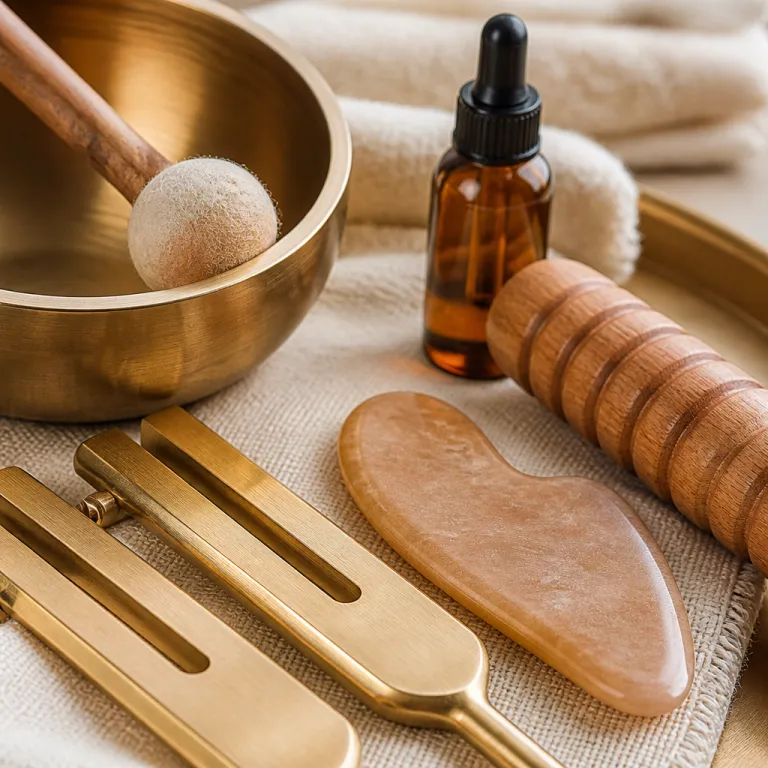
From relaxation to regulation: why sound now leads the spa conversation
Luxury spa sound therapy hotels in the United States are no longer selling vague relaxation; they are selling measurable nervous system regulation. Across leading wellness destinations, spa directors talk about vagal tone, parasympathetic activation and healing frequencies with the same fluency they once reserved for facials and hot stone massages. For couples planning a romantic escape, this shift means every spa experience is now an experience designed to change how your body responds to stress, not just how your shoulders feel for an afternoon.
The sound therapy boom did not appear overnight, and the most forward thinking hotels and resorts spent seasons reworking their spa treatments around both sound and silence. At Miraval Arizona, for example, sound baths moved from a niche add on to a core pillar of the spa menu, while Canyon Ranch and Lake Austin Spa Resort quietly expanded their acoustic offerings after internal surveys showed that guests who booked sound based sessions reported up to 20–30 percent greater post treatment calm than massage only visitors. A recent wave of spa menu redesigns focused on integrating sound therapy sessions, silent meditation and acoustic architecture, because operators saw that guests consistently reported lower perceived stress and higher satisfaction when sound focused treatments were added to traditional offerings. For luxury travelers, that data translates into spa menus where sound baths, floating sound immersions and sound healing rituals sit alongside massages, with clear language about how each treatment supports the nervous system.
Couples arriving at these hotels now complete pre stay wellness questionnaires that ask about sleep, anxiety and digital overload before they even reserve a room. The most advanced properties in the United States partner with sound therapists, acoustic engineers and architects to create tranquil spaces where every surface, from the floating pool deck to the yoga pavilion, has been tuned for specific frequencies. At some destination spas, including Golden Door in California and The Lodge at Woodloch in Pennsylvania, spa teams reference research on heart rate variability and vagal tone when explaining why certain instruments are used at the start or end of a session. In this new era of luxury spa sound therapy retreats that many USA travelers now seek out, the promise is simple yet ambitious, because the spa invites guests to leave not only rested but neurologically recalibrated.
How couples are booking: precision wellness before you even arrive
For couples using myusastay.com to compare luxury spa sound therapy hotels USA wide, the booking journey now feels closer to a wellness intake than a simple room selection. Instead of scrolling through generic spa packages, guests answer targeted questions about stress triggers, sleep patterns and preferred sensory experiences, which helps hotels resorts match them with specific sound therapy and spa treatments. This precision wellness approach mirrors the personalized protocols seen in functional medicine clinics and means that by the time you reserve, your stay already includes an experience designed around your nervous system rather than a one size fits all massage menu.
At several coastal properties and lake retreats in the United States, pre arrival forms ask whether a guest prefers morning yoga with live singing bowls, an evening sound bath by the swimming pool or a silent, candlelit session with palo santo and breathwork. Some resorts even coordinate with visiting sound therapists to schedule floating sound journeys in a heated floating pool, where couples lie semi submerged while healing frequencies ripple through the water. Early pilot programs at a handful of destination spas have found that couples who pre select at least one sound based treatment and one silent practice are more likely to rate their overall stay as “transformational” rather than simply “relaxing” on post visit surveys. For travelers who want a sharper, more intentional reset, this level of planning aligns perfectly with the ethos behind executive recovery focused stays highlighted in guides to hotels built for travelers who need to come back sharper.
Rooms feature thoughtful details that support the nervous system work happening in the spa, from blackout curtains and adjustable sound machines to minibars stocked with fresh pressed juices instead of sugary mixers. Many luxury properties now ensure that each guest receives a suggested daily rhythm that might pair morning yoga with a cold plunge pool session, followed by a mid afternoon sound healing treatment and a quiet, screen free evening ritual. For couples, this choreography turns a romantic getaway into a shared wellness journey, where every sound, scent and texture has been curated to help both bodies shift into a calmer, more connected state.
Inside the sound bath: what actually happens to your nervous system
Step into a modern sound bath at a leading resort, and the choreography feels closer to a lab protocol than a spa novelty. Practitioners explain that sound therapy is the use of sound to improve health and well-being, then map out how specific instruments and healing frequencies are chosen to nudge your nervous system toward parasympathetic dominance. They may reference studies in journals such as Frontiers in Psychology and Journal of Evidence-Based Integrative Medicine, where researchers have linked slow, rhythmic sound and music based interventions with improvements in heart rate variability, lower perceived stress and enhanced mood. For couples who once booked massages without a second thought, this level of explanation signals that luxury spa sound therapy hotels USA wide now treat every session as a treatment outcome, not just a relaxing hour.
During these sound baths, guests lie on heated loungers or float in a warm pool while singing bowls, gongs and chimes create layers of sound that pulse through the body. Some properties in North Carolina and the Southwest pair sound healing with gentle breathwork, guiding each guest to synchronize inhales and exhales with the rise and fall of the soundscape, which can deepen vagal tone and support long term stress resilience. Silent intervals are just as intentional, because spa directors now lean on research showing that silence promotes relaxation and reduces stress, including work from the HeartMath Institute and neuroscience studies suggesting that quiet periods can support neurogenesis in brain regions linked to learning and emotional regulation. Silent retreats are effective because they enhance mental clarity and relaxation, and spa teams borrow these principles when designing shorter, couples focused stays.
The quiet spa revolution has been so pronounced that nervous system programming has effectively replaced the old massage menu at many flagship hotels resorts. Industry insiders now talk about the quiet spa revolution as a defining shift, where sound therapy, silence and sensory design work together to create measurable outcomes. Internal reporting from several five star properties suggests that guest satisfaction scores for sound led rituals and structured quiet time now rival, and in some cases surpass, those for traditional bodywork. For couples, the result is a spa experience where every sound bath, every pause and every gentle note of palo santo smoke is part of a larger, evidence informed strategy to help both partners feel calmer, clearer and more connected.
Designing for silence: architecture, acoustics and the new spa aesthetic
The most compelling luxury spa sound therapy hotels USA travelers are booking this summer share a common trait that rarely appears in glossy photos, which is an obsession with silence. Architects and acoustic engineers now work alongside luxury spa operators to create tranquil zones where the only sound is a distant singing bowl or the soft lap of a lake against the shore. In practice, that means thicker walls, soundproof doors and carefully placed water features that mask unwanted noise while amplifying the spa’s intentional soundscapes.
In North Carolina, for example, several mountain resort spas have reoriented their layouts so that treatment rooms sit far from the main swimming pool and restaurant, with quiet corridors that buffer every footstep. These rooms feature layered textures, from wool rugs to upholstered walls, which absorb stray sound and allow even the faintest healing frequencies from sound therapy sessions to feel immersive rather than diluted. Design teams often reference acoustic standards used in concert halls and meditation centers, aiming for decibel levels that keep background noise low enough for subtle instruments to be heard without strain. Couples who move from a silent meditation lounge to a poolside cabana notice that the transition is gentle, because the design team has tuned each space to support the nervous system instead of simply looking luxurious.
Across the United States, this acoustic attention extends outdoors, where lakeside decks and floating pool platforms are positioned to catch natural sound while shielding guests from mechanical hums and traffic. Some hotels resorts now offer twilight sound healing experiences on these decks, where a practitioner uses singing bowls and soft chimes as the sun sets, and the only competing sound is a breeze moving through nearby trees. Early feedback from guest comment cards and digital reviews suggests that these quiet, sound led evenings are among the most frequently mentioned highlights of a stay. For couples, the effect is quietly dramatic, because the spa invites guests to feel that the entire property has been built as a cocoon for their senses, not just a backdrop for social media.
Couples, connection and the new language of spa outcomes
Romantic spa getaways once meant side by side massages and a glass of sparkling wine by the pool, but luxury spa sound therapy hotels USA wide are rewriting that script. Today’s couples arrive with shared goals around sleep, anxiety reduction and emotional connection, and they expect spa teams to speak the language of regulation rather than indulgence. That expectation has pushed spa directors to hire from clinical backgrounds, bringing in practitioners who can explain how specific spa treatments influence heart rate variability, cortisol patterns and overall nervous system balance.
Instead of a generic couples massage, many hotels resorts now offer synchronized sound therapy sessions where each guest lies on a separate table while a practitioner moves between them with singing bowls and tuning forks. Some programs pair this with guided breathwork and eye contact exercises, turning the session into a relationship investment that helps both partners co regulate their nervous systems, which can be especially powerful after demanding work seasons. Couples therapists and integrative physicians increasingly point to co regulation as a key factor in long term relationship resilience, and spa teams are beginning to mirror that language in their consultations. Follow up consultations often include simple at home rituals, such as five minute evening sound baths using a single bowl, or shared morning yoga sequences that reinforce the patterns established during the stay.
For couples who split their time between high pressure careers and family responsibilities, this outcome focused approach feels refreshingly adult. They are not looking for spa experiences that simply feel luxurious in the moment; they want experiences that leave their bodies and senses better equipped to handle the next quarter. Internal tracking at several executive style retreats suggests that repeat guests who engage in structured sound and silence programs are more likely to rebook within twelve months than those who only use the gym and pool. That is why many of them now seek out properties reviewed as refined executive style stays, using resources like the guide to refined comfort at premium executive inns to find hotels where the spa and the room product work together as a single, nervous system friendly ecosystem.
How to choose and use a sound-focused spa stay this summer
With so many luxury spa sound therapy hotels USA wide now advertising sound baths and healing frequencies, couples need a sharper filter to separate marketing from meaningful programming. Start by asking whether the spa partners with credentialed sound therapists or wellness consultants, and whether their sound healing sessions are integrated into a broader wellness strategy rather than offered as one off novelties. A serious property will provide clear explanations of how each treatment supports nervous system regulation, and staff should be able to articulate expected outcomes in plain language.
Next, look closely at how the hotel’s physical spaces support or undermine the promise of tranquility, from the spa to the poolside cabanas and lake decks. Ask whether treatment rooms feature acoustic design, whether there are genuinely silent zones and whether the main swimming pool area has quiet hours that respect guests who are using the property as a nervous system retreat. Pay attention to details such as fresh pressed juice options, morning yoga schedules and whether palo santo or other aromatics are used thoughtfully rather than as overpowering scents that compete with the subtlety of sound therapy.
Finally, plan your stay as a sequence of experiences rather than a collection of à la carte treatments, especially if you are traveling as a couple. Reserve at least one floating sound session or water based sound bath, one land based sound healing treatment and one silent or near silent period where you simply rest by the pool or lake without devices. Properties that track guest outcomes sometimes encourage couples to complete a brief pre and post stay check in on sleep quality, stress levels and mood, which can make the benefits feel more tangible. When a hotel invites guests into this kind of curated arc, the combination of spa treatments, room design and shared rituals can turn a few days away into a genuine reset for both body and relationship, which is the real promise behind the new generation of sound led wellness resorts in the United States.
Key figures behind the rise of sound-led spa wellness
- Industry surveys from spa management publications indicate that clients who participate in structured sound therapy programs often report lower stress levels and a greater sense of post treatment calm compared with traditional massage only visits. In some internal reports shared at wellness conferences, up to 70 percent of guests described sound baths as the most impactful element of their stay.
- Guest feedback data compiled by leading salon and spa trade outlets shows rising satisfaction scores for sound focused spa treatments, reflecting a clear preference for experiences that target the nervous system. Properties that added dedicated sound suites and quiet lounges frequently saw overall spa satisfaction climb by several percentage points year over year.
- Global wellness analysts report that sound baths and related sound healing offerings have moved from niche to standard at many five star spas, aligning with the broader shift from relaxation to regulation in luxury hospitality. The Global Wellness Institute has highlighted sound based modalities as one of the fastest growing segments within spa and wellness tourism.
- Leading hotels resorts in the United States now dedicate entire spa suites to acoustic treatments, with some properties allocating a significant share of their wellness floor space to sound therapy and silent meditation rooms. At a few flagship destinations, more than a third of scheduled group classes now involve sound, breath or silence as primary tools for nervous system support.
FAQ: sound therapy and luxury spa stays for couples
What is sound therapy in a luxury spa setting ?
In a luxury spa, sound therapy is the structured use of sound to improve health and well-being through instruments such as singing bowls, gongs and chimes. Sessions are designed to influence the nervous system by using specific healing frequencies that encourage parasympathetic activation and deeper relaxation. Many high end resorts integrate these treatments into broader wellness programs that also include yoga, breathwork and sleep support, sometimes drawing on research into heart rate variability and vagal tone to shape session length and pacing.
How do sound baths differ from traditional spa treatments ?
Sound baths focus on immersing guests in layered soundscapes rather than physical touch, often with participants lying still on mats or floating in warm water. The goal is to use vibration and frequency to calm the nervous system, which can complement or even enhance the effects of massages and facials. In luxury spa sound therapy hotels USA wide, sound baths are frequently paired with silent periods and guided breathing to create a more complete regulatory experience, and many couples describe them as mentally clearer and emotionally deeper than a standard massage.
Are silent retreats and quiet zones really effective for stress ?
Evidence from both clinical research and spa practice indicates that silence promotes relaxation and reduces stress by giving the nervous system a break from constant stimulation. Studies in neuroscience and psychophysiology suggest that quiet environments can lower blood pressure and support more coherent heart rate variability patterns, especially when combined with slow breathing. Silent retreats are effective because they enhance mental clarity and relaxation, especially when combined with supportive practices such as gentle yoga and mindful walking. Many upscale resorts now include dedicated quiet zones and device free hours to bring some of these benefits into shorter stays.
How should couples plan a sound-focused spa getaway ?
Couples should begin by clarifying shared goals, such as better sleep, reduced anxiety or deeper connection, then choose a property whose spa menu and wellness philosophy align with those aims. It helps to reserve a mix of treatments, including at least one sound bath, one movement based session like morning yoga and one period of intentional silence or digital detox. Coordinating these experiences over several days allows both partners’ bodies to shift gradually into a more regulated state, which often carries over into daily life after the trip. Some resorts even offer brief follow up calls or digital check ins to help couples maintain new rituals once they return home.
What questions should I ask before booking a sound therapy program ?
Before you reserve, ask whether the spa works with trained sound therapists, how sessions are structured and how they measure or track treatment outcomes. It is also wise to inquire about the acoustic design of treatment rooms, the availability of quiet zones and how sound based experiences are sequenced with other spa treatments. Clear, confident answers to these questions are strong indicators that a property takes nervous system focused wellness seriously rather than treating sound therapy as a passing trend, and they can help you choose a stay that feels both romantic and genuinely restorative.