Park Avenue’s legend returns: what the restoration really changed
The Waldorf Astoria New York reopening in 2025 is not just another headline. It is a rare moment when a Waldorf icon, an Astoria legend and a Hilton flagship all have to justify their mythology to paying guests. For luxury travelers choosing hotels in New York City, this single hotel reopening on Park Avenue may matter more than any new tower in the past decade.
The original hotel façade on Park Avenue survives, but almost everything behind it has been reengineered in scale and in feeling. The hotel now offers 375 guest rooms and suites, while 375 branded residences sit above the hotel floors, creating a quieter, more residential atmosphere for couples and long-stay visitors. That shift alone moves the Waldorf from grand procession hall to something closer to a private New York residence layered above a hotel, especially once you factor in the separate residential entrance and amenities reserved for owners.
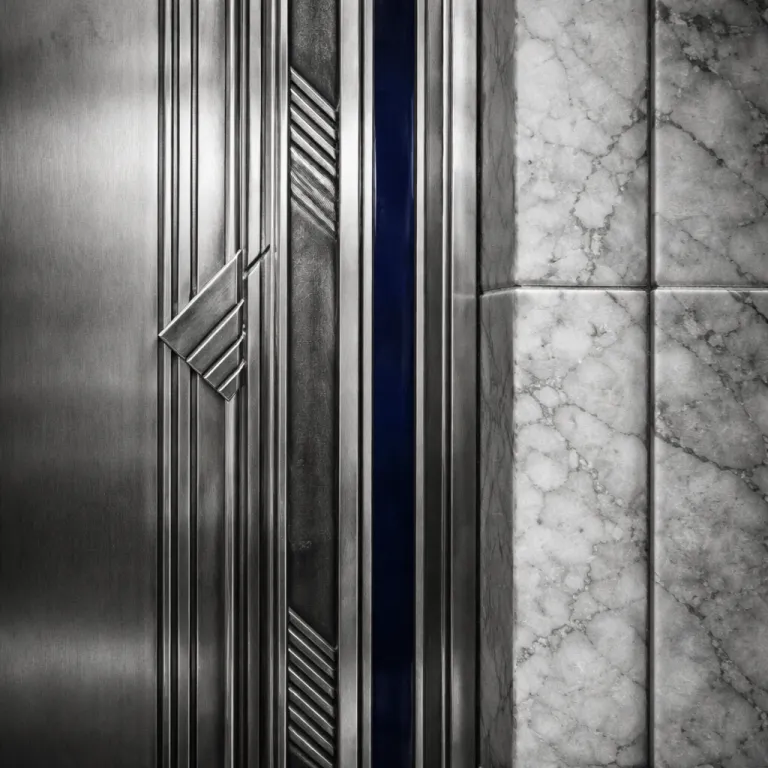
Inside, the Art Deco bones stay visible where it counts, especially in the main lobby and the Avenue Lobby that faces Park Avenue. The famous clock, the marble-clad columns and the grand motifs around the lobby ceiling have been restored rather than replaced, keeping a direct line to the original hotel identity. According to Hilton’s official reopening announcement, the multibillion-dollar renovation—widely reported at more than $2 billion—was designed to “respect the hotel’s history while bringing every guest experience up to contemporary luxury standards,” a brief that guided work on rooms, corridors and back-of-house spaces alike.
Public areas still lean into spectacle, starting with the Peacock Alley promenade that once defined social life at the Waldorf. Today that alley is expected to function as both a power corridor for Hilton Honors elites and a quieter lounge for residents who treat the hotel as an extension of home. The Grand Ballroom and the Starlight-inspired event spaces above it have been rebuilt with better acoustics and more flexible layouts, so weddings, galas and corporate events can share the same footprint without feeling like three unrelated conferences stacked on top of each other.
Ownership and management are firmly in global hands, with Dajia Insurance Group holding the asset and Hilton Hotels & Resorts running daily operations under the Waldorf Astoria flag. That pairing matters for travelers who track which hotel portfolios actually deliver consistent service in New York City and which ones just trade on a name. The stated objectives of the Waldorf Astoria New York reopening were to restore historic features, modernize facilities and enhance the guest experience, and every design decision in the lobby, the rooms and the suites has been filtered through that lens.
Inside the new guest experience: rooms, suites and dining power plays
The most immediate change guests will feel after the Waldorf Astoria New York reopening is in the rooms themselves. Standard room categories now start with more generous square footage than before, and the layout of the rooms-and-suites mix has been recalibrated for couples and long-stay travelers rather than tour groups. You are no longer choosing between a cramped historic room and a tired suite, but between several tiers of contemporary rooms, larger suites and ultra-private residential-style layouts in the towers.
Design-wise, the palette leans toward soft neutrals, polished wood and strategic marble rather than heavy drapery and dark carpets. That keeps the Art Deco references in the public spaces while letting the hotel rooms feel more like a high-end New York City apartment than a themed set. Bathrooms are where the investment shows most clearly, with marble surfaces, walk-in showers and better lighting that finally matches the expectations set by newer luxury hotels and rival Hilton properties across the United States.
Service will be the real test of whether this Waldorf can compete with Aman New York or the rebooted Surrey for top-tier demand. Couples paying five-star rates expect a concierge who can secure a last-minute table in Midtown, arrange a private tour of nearby galleries and still remember their preferred champagne by the second night. For Hilton Honors loyalists, the question is whether elite recognition at this flagship feels meaningfully different from what they receive at other Hilton hotels and resorts in New York City, or whether the Waldorf name simply adds a layer of marble and nostalgia.
On the culinary side, the headline is chef Michael Anthony taking over the main restaurant, Lex Yard, which anchors the Lexington Avenue edge of the property. Lex Yard is positioned as a power dining room for both hotel guests and local executives, with menus that nod to New York produce and a bar program designed for pre-theater and late night alike. In the words of the opening announcement, the restaurant aims to be “a neighborhood dining room with global polish,” signaling that the Waldorf Astoria is not outsourcing its dining identity but using food and beverage as a core part of the hotel experience.
Elsewhere, the lobby-level dining and bar options orbit around Peacock Alley, which still acts as the social spine between the Avenue Lobby and the main lobby. Expect afternoon tea, champagne service and a more relaxed lounge menu that lets residents and hotel guests share the same alley without feeling like they are in a transit zone. For couples planning a wider United States road trip that links city stays with coastal drives, a curated itinerary that pairs the Waldorf with other luxury hotels and premium vehicles can turn a single New York City weekend into the anchor of a longer journey.
Who the new Waldorf is really for, and how it ranks in Manhattan
The Waldorf Astoria New York reopening lands in a very different market from the one it left. Aman New York has redefined what ultra-luxury means in Midtown, while the Surrey and several smaller luxury hotels have raised the bar for discreet service and residential-style suites. Against that backdrop, the Waldorf must prove that its mix of heritage, scale and brand power can still command top-tier rates without feeling like a museum.
For legacy seekers, the pull is obvious, because this is the address where heads of state once crossed the main lobby and where the Grand Ballroom hosted some of the city’s most photographed events. Those travelers will care that the Art Deco details, the clock and the Park Avenue entrance remain intact, and that the Starlight-inspired spaces above the ballroom still reference the original hotel glamour. Yet even they will expect modern soundproofing, intuitive lighting controls and a level of privacy that older hotels in New York City rarely delivered.
First-time luxury visitors to New York City will see the Waldorf as a safe, central choice, especially if they already engage with Hilton Honors and prefer to stay within the Hilton Hotels ecosystem. For them, the combination of a recognizable Waldorf name, a Park Avenue location between Lexington Avenue and the park and a full suite of amenities may outweigh the more rarefied intimacy of Aman or the Surrey. The key question is whether front-line staff, from the Avenue Lobby hosts to the room attendants, can deliver service that feels anticipatory rather than scripted.
There is also a growing cohort of residents as guests, people who own one of the 375 private residences stacked above the hotel floors. They will use the spa, the dining venues and even Peacock Alley as extensions of their living room, blurring the line between hotel space and residential space in ways that can either energize or overwhelm traditional hotel guests. For couples booking a romantic stay, that mix can be a feature if managed well, bringing a sense of real New York City life into the corridors rather than isolating everything behind keycarded doors.
From an industry perspective, the Waldorf Astoria New York reopening is a case study in how an insurance group owner, a global operator and a heritage brand attempt to future-proof a landmark. Hilton Hotels & Resorts manages the operations, Dajia Insurance Group holds the asset and the Waldorf Astoria brand sits at the top of the Hilton luxury pyramid. As one internal summary puts it, “Waldorf Astoria New York reopened after extensive renovation,” and the 2025 relaunch will be watched closely by hoteliers, investors and frequent travelers alike.
Waldorf Astoria New York reopening: quick FAQ
When did the Waldorf Astoria New York reopen? The hotel is scheduled to welcome guests again in 2025 after a multiyear closure for renovation and restoration.
How much did the renovation cost? Hilton and Dajia have described the project as a multibillion-dollar investment, with public reports placing the total renovation budget at more than $2 billion.
How many rooms and residences does the new Waldorf have? The reopened Waldorf Astoria New York offers 375 guest rooms and suites, with an additional 375 branded residences located above the hotel floors.