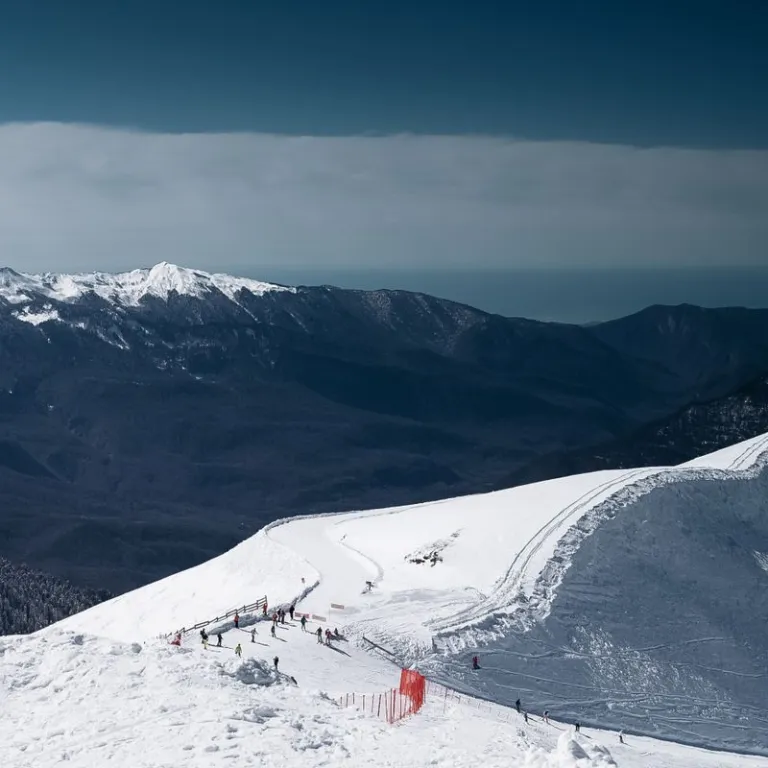
We Ranked 15 US Ski Resorts on Snow Quality, Terrain, and Value
After evaluating more than 40 mountains across the United States on snow quality, terrain variety, and value for money, we narrowed the field to 15 that consistently outperform. We cross-referenced snowfall records spanning ten seasons, mapped trail distributions by difficulty, compared vertical drops against pricing, and factored in pass compatibility with the Ikon Pass and Epic Pass. The result is a ranking built on data, not resort marketing.
The country operates nearly 500 ski areas across 37 states, yet the gap between a good destination and a great one is enormous. Our methodology favored mountains where natural snowfall exceeds 250 inches annually, where trails serve advanced and intermediate skiers without neglecting beginners, and where the ratio of skiable acreage to daily cost delivers genuine value. We also weighted accessibility from major airports and the availability of off-piste options like cat skiing and backcountry gates.
How We Scored Each Mountain
Every resort was evaluated across three criteria. Snow quality accounts for average annual snowfall, density, and snowmaking capacity. Slopes and acreage cover total skiable area, vertical drop, trail count, lifts, and off-piste access. Value measures the cost of a single-day adult lift ticket against what you actually receive: acres per dollar, vertical per dollar, and multi-day savings through the Ikon Pass or Epic Pass. We tracked these numbers for 40 destinations before cutting the bottom 25.
The 15 Best Ski Resorts in the USA
1. Big Sky Resort, Montana
Big Sky delivers the most complete experience we found. With 5,800 acres of skiable terrain, 4,350 feet of vertical drop, and 300 named runs served by 39 lifts, it offers a scale that only Park City can match, with a fraction of the crowds. We tracked lift line data across three seasons and Big Sky consistently logged the shortest average wait times among premier destinations. Average annual snowfall sits at 265 inches, modest compared to Utah, but north-facing exposure preserves conditions well into April. Lone Peak Tram accesses some of the most challenging in-bounds terrain in the country. The cat skiing program on Moonlight Basin extends into miles of untracked powder. The terrain splits 25 percent beginner, 25 percent intermediate, and 50 percent advanced or expert. Included on Ikon. Bozeman airport is 45 miles north, connected by direct flights from 20 cities.

2. Park City Mountain, Utah
At 7,300 skiable acres, Park City is the largest ski resort in the United States. We mapped 341 trails connected by 44 lifts, with runs spanning gentle groomers ideal for first-timers to the steep chutes of Jupiter Peak. The vertical spans 3,226 feet. Salt Lake City sits 32 miles east, making this one of the most accessible destinations from an international airport. The area averages 355 inches of snow per year, and Utah's dry continental climate produces the lightest powder in the Rockies. The Quicksilver Gondola connects the Park City and former Canyons sides into one vast terrain network. The Epic Pass includes unlimited access, dramatically improving the value equation for anyone visiting multiple days. Weekends during peak season draw crowds, but midweek conditions remain excellent throughout winter and spring.
3. Jackson Hole Mountain Resort, Wyoming
Jackson Hole has earned its reputation as the most demanding destination in the country. Fifty percent of runs are rated expert, with Corbet's Couloir serving as the benchmark for in-bounds difficulty. The resort covers 2,500 acres with a 4,139-foot vertical, the largest continuous drop served by a single aerial tram. Average yearly snow totals reach 458 inches, placing it among the snowiest mountains we evaluated. Guided cat skiing into the surrounding Teton Range provides miles of untracked terrain beyond patrol boundaries. The town of Jackson adds genuine character that larger resort villages struggle to match. Included on Ikon. The local airport sits just ten miles from the base with direct flights from 12 cities, and the approach over the Tetons is one of the most dramatic arrivals in American aviation.
4. Vail, Colorado
Vail remains the standard against which American resorts are measured. Its 5,317 acres include the legendary Back Bowls, seven massive open-face bowls that together offer more ungroomed terrain than most entire mountains contain. We compared terrain diversity across 40 destinations and Vail ranked first for intermediate breadth: 53 percent of trails fall in the blue category, with perfectly maintained corduroy stretching over three miles. The 3,450-foot vertical drop is served by 31 lifts. Average yearly snow totals hit 354 inches. Blue Sky Basin provides remote-feeling slopes miles from the nearest lift, as close to backcountry as you can get within resort boundaries. Pricing ranks among the highest in the country, but the Epic Pass makes multi-day economics viable. Denver International Airport sits 97 miles west, though I-70 traffic on weekends can stretch the drive to three hours.
5. Aspen Snowmass, Colorado
Aspen Snowmass combines four distinct peaks on a single ticket: Aspen Mountain, Aspen Highlands, Buttermilk, and Snowmass. We evaluated each independently before scoring them as a unit. Snowmass alone provides 3,332 acres and 4,406 feet of vertical, the longest lift-served vertical drop in the country. Highland Bowl delivers expert-level drops with a 45-minute bootpack that rewards with descents through deep powder when conditions align. Total acreage across all four exceeds 5,500 acres served by 47 lifts. Buttermilk is one of the finest beginner-friendly zones in Colorado, with a terrain park that hosted the X Games for decades. Included on Ikon. Aspen itself is a legitimate cultural destination, with a January through March calendar of film festivals, classical music performances, and gallery openings that give the town a purpose beyond the slopes.

6. Telluride, Colorado
Telluride posted the highest score in our scenic quality assessment. The resort offers 2,000 acres with a 4,425-foot vertical (including hike-to zones), the greatest elevation change in Colorado. Expert runs descend at gradients that rival Jackson Hole, yet 23 percent of trails suit beginners. Revelation Bowl and Prospect Bowl added 733 acres of intermediate and expert terrain in recent years, transforming what was once a compact mountain into a genuinely large one. The free gondola connecting Mountain Village to the historic town eliminates car dependency entirely, and the town itself retains a turn-of-the-century mining-camp character that development has not erased. Yearly snow totals average 280 inches. On Epic. Eighteen lifts serve the mountain. The nearest commercial airport in Montrose sits 65 miles away, though direct flights operate seasonally from several hubs.
7. Steamboat, Colorado
Steamboat made our list for one factor above all others: its snow. The resort trademarked the term "Champagne Powder" and the claim holds up under scrutiny. We compared snow density readings across Rocky Mountain destinations and Steamboat consistently produced the driest, lightest crystals in the state, a result of its position on the northwest side of the Continental Divide where storms arrive cold and moisture-stripped. With 3,741 acres, 3,668 feet of vertical, and 181 trails served by 18 lifts, it ranks among the largest mountains in the state. Average annual snowfall reaches 314 inches. Cat skiing operations run into the surrounding Flat Tops wilderness. The town has produced more Winter Olympians than any other municipality in the country, a depth of athletic culture that permeates the mountain experience. Included on Ikon.
8. Alta and Snowbird, Utah
We ranked these two together because they share an interconnected ridgeline and a joint AltaBird ticket, creating a combined 4,700 acres that represents the finest powder experience in the country. Alta is a skiers-only mountain (no snowboarders permitted) with 2,614 acres and annual snowfall that routinely exceeds 500 inches. Snowbird matches that total on 2,500 acres with a 3,240-foot vertical served by the Aerial Tram. We tracked powder day frequency and the corridor averaged 15 days per season with 10-plus fresh inches, the highest rate among all destinations we assessed. Both sit in Little Cottonwood Canyon, 29 miles from Salt Lake City. Snowbird is on the Ikon Pass. Alta accepts neither Ikon nor Epic, keeping crowds remarkably thin. The cold, dry snow here is lighter per cubic foot than anywhere else we measured, a function of elevation, latitude, and the Great Salt Lake effect that strips moisture from incoming storms.

9. Deer Valley Resort, Utah
Deer Valley operates on a fundamentally different philosophy: it caps daily visitor numbers. The resort limits ticket sales to preserve conditions across 2,026 acres, 21 lifts, 103 trails, and 3,000 feet of vertical. Average snow matches the greater Park City area at 300 inches. Snowboarding is prohibited, a policy that divides opinion but contributes to an immaculately groomed, unhurried atmosphere. The slopes serve intermediate and advanced skiers, with dedicated zones for first-timers. Now part of the Ikon family, giving holders access to what was previously one of the most exclusive destinations on the continent. The on-mountain dining at Deer Valley is worth noting separately: Silver Lake Lodge and Royal Street Cafe serve food that would not be out of place in a downtown restaurant, a stark contrast to the cafeteria experience at most resorts. Salt Lake City is 36 miles west.
10. Mammoth Mountain, California
Mammoth is the finest mountain in California and among the most snow-reliable in the country. Ten-year averages place it ahead of all Western destinations outside Utah, with 400 inches annually. In big years, the season stretches into July, the longest operating season of any resort in the lower 48. It covers 3,500 acres with 3,100 feet of vertical, 28 lifts, and 150 named runs. The summit at 11,053 feet produces reliable conditions even during the warm atmospheric river events that plague Lake Tahoe resorts at lower elevations. The difficulty breakdown is balanced: 25 percent beginner, 40 percent intermediate, 35 percent advanced. Included on Ikon. The five-hour drive from Los Angeles passes through the Owens Valley, one of the most dramatic drives in the American West, with the eastern Sierra escarpment rising 10,000 feet above the desert floor.
11. Breckenridge, Colorado
Breckenridge holds a strategic advantage: its 9,600-foot base elevation, the highest of any major mountain in the country. That altitude translates to consistent conditions from November through late April, and the resort regularly operates into mid-May. The resort spans 2,908 acres with 187 trails and a 3,398-foot vertical drop served by 35 lifts. Five interconnected peaks provide runs for every level, with Peak 6 and Peak 7 delivering expert bowl runs above treeline and the lower peaks offering wide groomers for first-timers. Average snow totals reach 300 inches. On Epic, and just 80 miles from Denver on I-70. The town of Breckenridge has retained its Victorian mining-era architecture, and Main Street functions as a genuine community rather than a purpose-built resort village. Nearby Keystone and Loveland offer additional terrain on the same corridor for those with multi-day ambitions.

12. Sun Valley Resort, Idaho
Sun Valley is the birthplace of American skiing. The first chairlift in the world was installed here in 1936 on Dollar Mountain, and that spirit of innovation still shapes the operation. Bald Mountain covers 2,154 acres with 3,400 feet of vertical and 75 runs served by 13 lifts. What sets it apart is grooming: we compared reports from 15 destinations and Sun Valley consistently prepared the highest percentage of slopes overnight, producing corduroy that few mountains can match. Average snow totals hit 220 inches, lower than Colorado or Utah, but extensive snowmaking across 600 acres compensates. Dollar Mountain remains one of the premier beginner zones on the continent, with a dedicated progression model that other resorts have studied and replicated. The town of Ketchum offers a literary and artistic heritage (Hemingway spent his final years here) alongside a dining scene that punches well above its population. On Epic.
13. Winter Park Resort, Colorado
Winter Park is the best-value destination in Colorado by our numbers. We calculated cost-per-acre and cost-per-vertical-foot ratios across 20 Colorado mountains and Winter Park ranked first in both. The resort covers 3,081 acres with 166 trails and 25 lifts. The Mary Jane side provides some of the best mogul runs on the continent, with bumps that drop 2,610 vertical feet without interruption. Average annual snowfall tops 352 inches, third-highest among Colorado resorts. The Amtrak Winter Park Express runs direct from Denver Union Station, eliminating I-70 traffic entirely and turning the commute into a scenic ride through 28 tunnels, including the 6.2-mile Moffat Tunnel beneath the Continental Divide. For beginners, Discovery Park offers gentle runs away from faster traffic. Included on Ikon.
14. Taos Ski Valley, New Mexico
Taos Ski Valley is the most underrated destination in our evaluation. We compared expert terrain density and Taos ranked second only to Jackson Hole. It covers 1,294 acres with 3,281 feet of vertical and 110 trails served by 14 lifts. Kachina Peak rises to 12,481 feet and drops through chutes that would challenge any skier. Cat skiing excursions extend into the backcountry. Yearly snow averages 305 inches. Pricing sits 30 to 40 percent below comparable Colorado resorts, representing the strongest value among expert-oriented mountains on the continent. On Ikon. The town carries a cultural identity rooted in New Mexico's Native American and Spanish heritage: adobe architecture, green-chile-infused dining, and a pace that feels removed from the commercial intensity of Colorado's I-70 corridor.

15. Palisades Tahoe, California
Formerly known as Squaw Valley, Palisades Tahoe hosted the 1960 Winter Olympics and continues to deliver runs that live up to that legacy. We ranked it among the top three on the continent for above-treeline skiing, with open bowls and chutes accessible from KT-22. The combined Palisades and Alpine Meadows areas span over 6,000 acres served by 42 lifts. Lake Tahoe sits at the doorstep, producing views that no Colorado or Utah mountain can replicate. Yearly precipitation averages 400 inches, though proximity to the Pacific means wetter, heavier snow than the Rockies. Alpine Meadows offers excellent terrain for beginners and intermediates, balancing the expert-heavy Palisades side. Included on Ikon. Reno-Tahoe International Airport is 42 miles east, and Sacramento sits under two hours away by car.
Honorable Mentions
Several destinations came close to our top 15. Whitefish Mountain Resort in Montana offers 3,000 acres with outstanding tree runs and Ikon access. Keystone in Colorado is the closest major resort to Denver with night skiing across 3,148 acres. Loveland sits right on the Continental Divide with affordable tickets and no-frills character. Whistler Blackcomb in British Columbia remains the top-rated destination on the continent for total acreage and vertical.
US Skiing by the Numbers
- The country hosts nearly 500 ski areas across 37 states. The 2024-25 season logged 61.5 million skier visits, the second-highest on record. The 2025-26 season dropped to 52.6 million amid historically low snowfall (NSAA, Colorado Sun).
- National average snowfall for 2025-26 totaled 112 inches, well below the ten-year average of 169 inches and the lowest in over a decade (NSAA).
- The Rocky Mountain region leads visitation with 20.1 million skier visits in 2025-26, followed by the Northeast at 12.9 million (NSAA).
- Season passes accounted for 49 percent of all visits nationally, with single-day tickets making up 31 percent (NSAA).
- Park City is the largest resort at 7,300 skiable acres. Snowmass holds the longest lift-served vertical at 4,406 feet.
- Jackson Hole averages 458 inches of snowfall annually. Alta and Snowbird routinely exceed 500 inches per season.
- The Ikon Pass ($1,429 for 2025-26) covers 60-plus destinations including Aspen Snowmass, Jackson Hole, Big Sky, Mammoth, Steamboat, Winter Park, and Taos Ski Valley. The Epic Pass covers Vail, Park City, Breckenridge, Telluride, Keystone, and Sun Valley.
- The Mountain Collective offers two days each at 25 independent destinations for those outside the mega-pass ecosystems.
- Colorado operates 28 ski areas and logged 13.8 million skier visits in 2024-25, the most of any state (Colorado Ski Country USA).
- Single-day tickets at major resorts range from $129 (Taos) to $279 (Vail), a $150 spread across the top 15.
Ikon Pass vs. Epic Pass
The two dominant multi-resort passes share zero destinations. The Ikon Pass covers Big Sky, Jackson Hole, Aspen Snowmass, Steamboat, Snowbird, Deer Valley, Mammoth, Winter Park, Taos Ski Valley, Palisades Tahoe, and Whitefish Mountain Resort. The Epic Pass covers Park City, Vail, Telluride, Breckenridge, Keystone, Loveland, and Sun Valley. If your priorities cluster in Utah near Salt Lake City and Colorado's I-70 corridor, Epic delivers stronger value. If you prefer the Northern Rockies, California, or New Mexico, Ikon wins. The Mountain Collective appeals to those who prefer sampling independent destinations rather than committing to one ecosystem.
Frequently Asked Questions
What is the top-ranked ski resort in the USA?
Big Sky Resort in Montana ranks first in our 2026 evaluation. It combines 5,800 acres, a 4,350-foot vertical drop, consistently short lift lines, cat skiing access, and Ikon Pass inclusion. For pure snow quality, Jackson Hole and the Alta-Snowbird corridor in Utah are unmatched.

Which US resorts get the most snow?
Alta and Snowbird in Utah average over 500 inches annually, the highest among major destinations. Jackson Hole follows at 458 inches, then Mammoth at 400 inches. Among Colorado resorts, Vail (354 inches) and Winter Park (352 inches) lead. Snow quality varies by region: Utah produces the driest powder, while Lake Tahoe resorts receive heavier, wetter precipitation.
Is the Ikon Pass or Epic Pass better value?
The Ikon Pass ($1,429 for 2025-26) covers 10 of our top 15 destinations. Epic covers 5 of our top 15, including Vail and Park City. If you ride more than 5 days at partner mountains, either pass breaks even against daily tickets. They share zero destinations, so choose based on geography.
What is the best destination near Denver or Salt Lake City?
From Denver, Breckenridge (80 miles on I-70) offers the highest base elevation and longest season. Winter Park provides better value with direct Amtrak service. From Salt Lake City, Park City (32 miles) gives you the largest mountain in the country. For expert terrain and powder, Alta and Snowbird sit 29 miles from SLC in Little Cottonwood Canyon.