Detailed neighborhood guide to hotels in the San Francisco metropolitan area, with typical price ranges, business-friendly districts, design-forward stays, and tips on when and where to book.
Why the San Francisco metropolitan area is worth your stay
Fog rolling over the bay at dawn, a cable car bell on California Street, the quiet hum of a lobby just before happy hour starts. The San Francisco metropolitan area delivers that mix of urban intensity and coastal calm that few American cities can match. Choosing a hotel here is less about finding a bed and more about deciding which version of the city you want at your doorstep, from the Financial District high-rises to the historic streets around North Beach and the Embarcadero.
For many guests, a San Francisco hotel in the metropolitan core means staying within a short walk of major sights, restaurants, and galleries. Around Union Square and Market Street, for example, you are roughly 5 to 10 minutes on foot from flagship stores, the San Francisco Museum of Modern Art, and the Powell Street cable car turnaround. You are not just booking a room; you are choosing your daily backdrop, your likely city views, and even the rhythm of your mornings and late nights.
Luxury and premium hotels in this area tend to prioritize service and discretion over spectacle. Expect polished front-desk teams, efficient luggage storage, and concierges who know which streets to avoid on a foggy Saturday or Sunday when traffic to the Golden Gate Bridge can stall. Properties such as the Four Seasons Hotel San Francisco, The Ritz-Carlton, San Francisco, and the Palace Hotel illustrate the metropolitan mix of classic architecture and modern comfort. For travelers who want to stay in San Francisco in comfort, the metropolitan core is a strong, often decisive, choice.
Union Square and the urban heart of the city
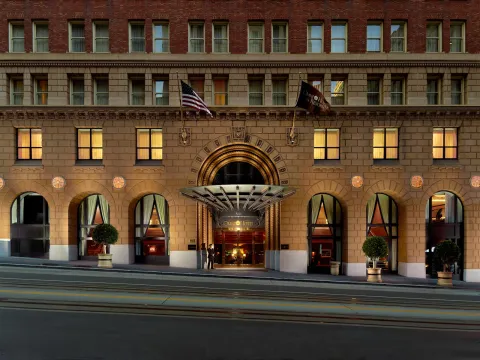
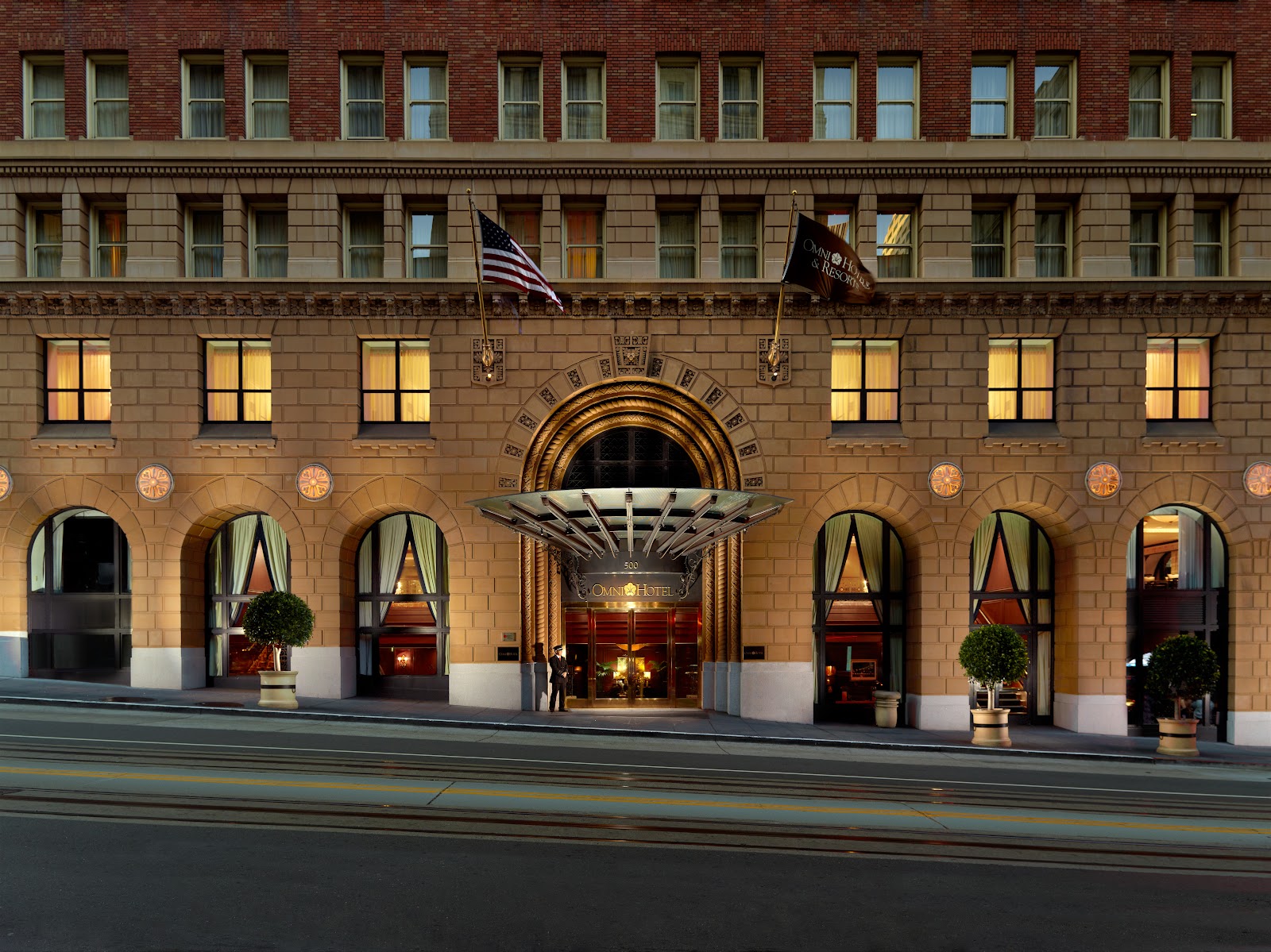
Streetcars gliding along Market Street, shoppers crossing Geary, theatergoers drifting toward Post Street just before curtain time. Around Union Square, the hotel scene feels unapologetically urban. This is where many top four- and five-star hotel options cluster, stacked in tall towers with rooms angled for maximum city views over the square and the surrounding grid, including landmarks like Macy’s and The Westin St. Francis San Francisco on Union Square.
Staying near Union Square suits travelers who want to walk. From many hotels, you are a 10- to 15-minute walk from the Powell Street cable car turnaround, the galleries on Sutter Street, and the Chinatown Gate on Grant Avenue. Guests who book here often prioritize quick access to meeting facilities, retail, and dining over immediate proximity to the water or the Golden Gate vistas, and they appreciate being within a 5-minute stroll of BART and Muni lines at Powell Street Station.
Rooms in this part of the city tend to be compact but efficient, with a clear focus on business and short-break travelers. A standard double room with a well-designed desk, strong soundproofing, and blackout curtains can matter more than sprawling square footage. Typical nightly rates in mid-range properties might run from about $180 to $260 on weeknights, rising in peak convention periods, based on recent averages reported by major booking platforms. If your stay runs from Monday to Tuesday or Tuesday to Thursday with back-to-back appointments, this location keeps logistics simple and the walk back to your bed pleasantly short.
Financial District and Embarcadero: business-first, bay-facing
Steel and glass towers along Montgomery Street, the Ferry Building clock tower catching the late-afternoon light, joggers tracing the Embarcadero promenade. The Financial District and nearby waterfront form the metropolitan core for travelers whose days are defined by meetings rather than museums. Hotels here lean into efficiency, quiet, and proximity to corporate offices, with properties such as Hyatt Regency San Francisco and Le Méridien San Francisco illustrating the business-first focus.
For business guests, the appeal is obvious. You can step out of the lobby and be in a boardroom on Sansome Street within minutes, then walk 5 to 10 minutes to the Embarcadero for a late lunch with bay views at the Ferry Building Marketplace. Meeting facilities in this area are often more extensive, with flexible rooms that can shift from executive briefings to small receptions, especially on busy Thursday and Friday dates when the city fills with conferences and industry events at nearby venues like the Moscone Center.
Rooms tend to be slightly larger than around Union Square, with layouts that favor work surfaces and seating areas. Many properties offer upper-floor rooms with partial city views toward the Bay Bridge, especially appealing for guests staying from Sunday to Monday into the workweek. Typical nightly rates for upscale hotels here often range from about $220 to $320, depending on season and demand, according to recent industry surveys. If your priority is a calm base with quick access to transit, including Embarcadero BART and ferry services, and the wider metropolitan network, this corridor delivers.
Nob Hill and the elevated classic San Francisco stay
Cable cars grinding up California Street, the slope steep enough that you feel it in your calves, and then suddenly the city opens beneath you. Nob Hill offers one of the most characterful locations in the San Francisco metropolitan area, with hotels perched above the downtown core. The atmosphere is quieter, more residential, and distinctly old San Francisco, anchored by landmarks such as Grace Cathedral and Huntington Park.
From many hilltop rooms, guests enjoy sweeping city views that stretch from the Financial District to the bay, especially on clear mornings after the fog lifts. The sense of remove is part of the charm. You are still a short cable car ride or a 15- to 20-minute walk from Union Square, yet the streets around California Street and Taylor Street feel almost contemplative compared with the bustle below, particularly in the evenings.
This area suits travelers who value a slower pace and a more traditional interpretation of service. Think attentive doormen, polished lobbies, and lounges where happy hour feels like a ritual rather than a promotion, as seen at hotels like the Fairmont San Francisco and the InterContinental Mark Hopkins San Francisco. If your stay in San Francisco spans a long weekend from Friday to Sunday, Nob Hill works well for couples and solo travelers who want to balance city access with a retreat-like feel and are comfortable with the neighborhood’s steeper hills.
Waterfront, SoMa, and design-forward stays
Converted warehouses along the Embarcadero, wide streets under the Bay Bridge, and the low thrum of the ballpark on game nights. The SoMa and waterfront corridor south of Market Street has become the city’s contemporary counterpoint to the traditional core. Hotels here often occupy newer buildings, with interiors that lean toward clean lines, local art, and generous glass, including properties near Oracle Park and the Chase Center.
Guests who choose this location usually care about space and light. Rooms can be larger, with floor-to-ceiling windows and, in some cases, angled views toward the bay or the city skyline. A standard double room here might include a separate seating area, making it easier to work, host a quick meeting, or simply spread out after a long flight. Typical nightly rates in design-forward boutique hotels can range from roughly $200 to $300, with higher prices during major games or concerts, as reflected in recent event-week pricing data.
The neighborhood works especially well for travelers attending events at nearby venues or planning meetings in the broader metropolitan tech corridor, including offices around South Park and Mission Bay. Staying from Tuesday to Thursday or Thursday to Friday, you can move between offices, galleries, and restaurants without crossing the steepest hills, often within 10 to 20 minutes on foot or a short Muni ride. For those who like to end the day with a drink overlooking the water, some properties in this area offer refined happy hour settings that feel more local than touristy, with terraces or lounges oriented toward the Bay Bridge lights.
What to check before booking in the San Francisco metropolitan area
Room photos tell only part of the story. In San Francisco, the exact street and block matter almost as much as the star hotel rating. Before confirming your booking, look carefully at the hotel’s location relative to the slopes you will need to climb, the transit lines you plan to use, and the places you expect to visit most often, whether that is the Ferry Building, Union Square, or the Moscone Center.
For many guests, practical details make the difference between a smooth stay and a frustrating one. Luggage storage policies can be crucial if you arrive early on a Sunday or Monday or depart late on a Saturday or Sunday and want to explore the city without bags. Meeting facilities, if you need them, should be checked not only for capacity but also for layout and natural light, especially for all-day sessions where ventilation, breakout space, and built-in audiovisual equipment can affect productivity.
Prices in the metropolitan area fluctuate sharply by day of week and by major events. While specific rates vary, it is common to see higher demand on nights like Tuesday to Thursday when corporate travel peaks and large conventions are in town, a pattern regularly noted in hotel market reports. Helpful hotel websites often provide clear descriptions of room categories, from compact city rooms to larger suites, along with links to floor plans or detailed photos that show the true layout rather than just a styled corner, and some list typical square footage so you can compare options more accurately.
Who the San Francisco metropolitan hotels suit best
Short-stay business travelers, design-focused leisure guests, and repeat visitors who know exactly which cross street they want. The metropolitan area is not for everyone, but it serves these profiles exceptionally well. If you want to walk out of your hotel and be in the middle of the city within minutes, this is where you book, especially if you value direct access to transit hubs and major business districts.
Travelers on tight schedules, especially those with meetings spread between Union Square, the Financial District, and SoMa, benefit most. A central San Francisco hotel cuts down on transit time and makes it realistic to fit in a quick detour to the Ferry Building or a late-evening stroll along the Embarcadero. Guests who value polished service, consistent room standards, and reliable amenities such as high-speed Wi‑Fi, business centers, and on-site dining tend to be happiest here.
First-time visitors who dream of the Golden Gate Bridge and the more residential neighborhoods might prefer to split their stay, spending a few nights in the metropolitan core and then moving outward to areas like the Marina District or the Presidio. For those who return often, the choice becomes more granular: a specific block, a familiar lobby, a room facing the right direction. Over time, the San Francisco metropolitan area stops feeling like a generic cluster of hotels and becomes your own small, vertical neighborhood, with favorite coffee spots, transit stops, and evening walking routes.
Frequently asked questions about hotels in the San Francisco metropolitan area
What is the best time of year to stay in San Francisco hotels?
The most comfortable period to stay in San Francisco hotels typically runs from September to November, when the weather is mild and the summer crowds have thinned. During these months, guests often enjoy clearer city views and more pleasant walking conditions across the hilly streets, with daytime temperatures often in the low 60s Fahrenheit. The shoulder seasons also make it easier to combine business stays from Monday to Tuesday or Tuesday to Thursday with leisure time without battling peak visitor numbers or the coolest winter fog.
Is the Union Square area a good location for first-time visitors?
Union Square is one of the most practical locations for first-time visitors because it sits at the center of the metropolitan transit network and offers quick access to many districts. From here, you can reach the Embarcadero, Chinatown, and the theater district within a 10- to 20-minute walk or a brief ride on Muni or a cable car. Guests who prioritize convenience, shopping, and a dense concentration of hotels usually find this area an efficient base for a first stay in San Francisco, especially if they plan to rely on public transportation rather than a rental car.
Do San Francisco hotels in the metropolitan area offer facilities for meetings and events?
Many hotels in the San Francisco metropolitan core provide meeting facilities designed for corporate and small-group events. These spaces range from compact boardrooms suitable for a handful of guests to larger rooms that can host conferences or receptions on busy Thursday and Friday dates. When booking, it is worth confirming the room layout, available technology, and whether natural light is important for your specific event, as some venues offer floor-to-ceiling windows while others are fully interior spaces.
Are there hotels with views of the Golden Gate Bridge in the metropolitan area?
Some hotels in the broader metropolitan area offer partial views toward the Golden Gate Bridge, but most central properties focus more on city views over the downtown skyline and bay. If a direct bridge view is a priority, it is important to verify the exact room category and orientation, as only a limited number of rooms in select locations will provide that perspective, often at a premium rate. For many guests, high-floor rooms with sweeping views of the city and waterfront offer an equally memorable experience, especially at sunrise or after dark when the Bay Bridge lights are visible.
What should I look for in room descriptions when booking a San Francisco hotel?
When reviewing room descriptions, pay attention to the stated size, bed type, and whether the room is described as facing the street or an inner courtyard. In a dense city like San Francisco, these details can significantly affect noise levels and natural light, particularly on busy streets near Market or Mission. Guests who value space should look for clear mentions of a standard double room with a seating area or small sofa, while those sensitive to sound may prefer interior rooms even if they sacrifice some views, and should check whether the windows are double-glazed for better insulation.