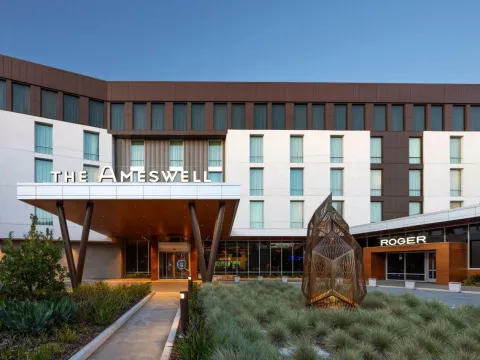
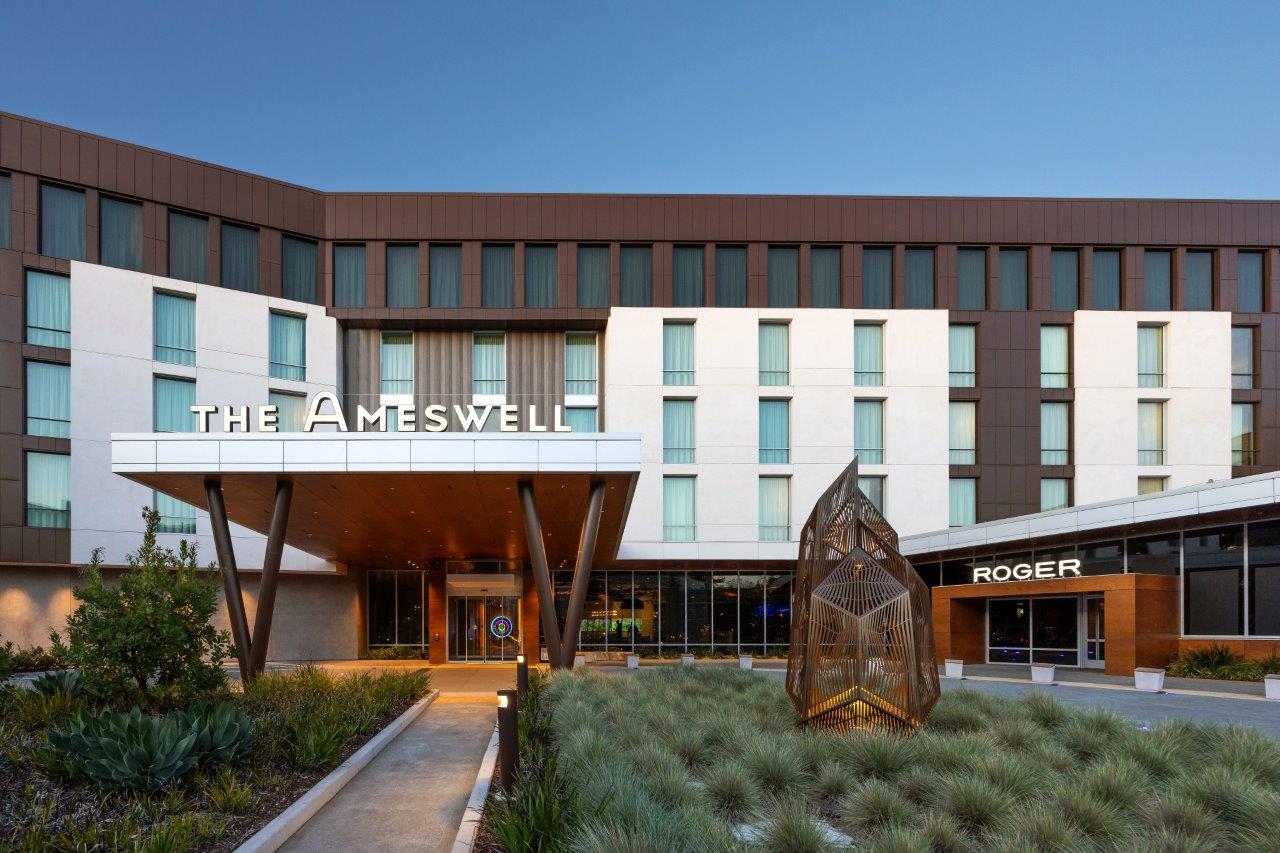
Plan your stay in Silicon Valley with this guide to business hotels in Palo Alto, San José, and Santa Clara, including example hotels near Stanford, typical airport transfer times, room types, and who each area suits best.
Why Silicon Valley works for both business and leisure
Landing at San José Mineta International Airport, you feel it immediately: Silicon Valley is built for business, but it rewards those who linger. Glass-fronted offices line the highway, yet just 20 minutes away the oak-covered hills above Palo Alto catch the late-afternoon light. For travelers choosing a hotel in Silicon Valley, the question is not whether the area is a good choice, but which pocket of the valley fits their rhythm and schedule.
Business guests tend to anchor themselves along the corridor between Palo Alto, Stanford University, and Santa Clara. That triangle keeps you close to major campuses, yet within easy reach of San Francisco for a dinner or a show, roughly 50 km to the north. By car, the drive from central Palo Alto to San Francisco International Airport (SFO) usually takes 30–40 minutes outside rush hour, while San José Mineta International Airport (SJC) sits about 20 minutes from downtown San José. Leisure travelers, or those blending work and downtime, often prefer quieter residential streets near Stanford or the leafy neighborhoods west of El Camino Real, where a morning walk feels less like a commute and more like a small-town interlude.
Expect hotels that lean into discretion rather than spectacle. Lobby spaces are usually calm, with understated art, generous work tables, and staff trained to read whether a guest wants to talk product launches or simply check in and disappear. It is a good destination if you value efficiency, privacy, and access to the wider Bay Area more than resort theatrics, especially when your days are split between meetings and short escapes to the coast or the hills.
Choosing your base: Palo Alto, San José, Santa Clara or beyond
Staying near Palo Alto puts you at the intellectual heart of the region. Around University Avenue and along Palm Drive toward Stanford, hotels cater to visiting professors, investors, and families touring campus. Well-known options such as the Westin Palo Alto and the Stanford Park Hotel sit within a 5–10 minute drive of the Main Quad and Stanford Stadium, and many properties quietly tailor their services around the university calendar. From here, a car ride of under 10 minutes brings you to Stanford Stadium or the main quadrangle, and Caltrain links Palo Alto to San Francisco in about an hour. If your trip revolves around meetings on Sand Hill Road or time at Stanford University, this is the most strategic base and one of the best areas for hotels near Stanford.
San José offers a different energy. Downtown streets around South Market Street and San Pedro Square feel more urban, with museums, arenas, and a growing restaurant scene. Business hotels in San José, such as the Signia by Hilton San Jose, suit guests who want to walk to evening plans after a day of meetings in the broader valley. You are also closer to the airport, which can matter when every hour of a short stay counts, and light rail or rideshares make it easy to reach nearby tech campuses without a car.
Santa Clara sits in between, both geographically and in spirit. Properties near the major tech campuses and the stadium serve guests who move between boardrooms, conferences, and occasional games or concerts. If your schedule spans multiple cities in Silicon Valley, Santa Clara can reduce time in traffic and works well as a central hub. For those planning frequent trips into San Francisco, however, basing yourself farther north, closer to Palo Alto or even along the Caltrain line, can make the journey smoother and gives you more options among business hotels in Palo Alto and neighboring towns.
Room types and layouts: from focused workspaces to soaking tubs
Room categories in Silicon Valley hotels are designed with laptop-heavy stays in mind. Even a standard king room usually includes a proper desk, ergonomic chair, and enough outlets to charge a full suite of devices. For guests who expect to work late into the night, that functional layout matters more than decorative flourishes. When comparing hotels, look closely at photos of the workspace and lighting rather than just the bed, especially if you plan to join video calls across time zones.
Suites introduce a different layer of comfort. A junior suite typically adds a defined sitting area, sometimes separated by a partial wall or sliding doors, which allows one guest to take calls while another rests. Bedroom suites with a full living room and dining table suit longer stays, especially for executives hosting small meetings in their room. In these larger layouts, a deep soaking tub can turn a work trip into something closer to a private retreat after a long day in the valley, particularly when paired with a quiet courtyard or hill view.
Families or couples extending a business trip into a weekend should check whether the property offers connecting rooms or flexible configurations. Some hotels across the region quietly specialize in multi-night stays, with generous closets, small kitchenettes, and more residential layouts. Others keep things compact and efficient, better for a single intense night between flights. Matching the room type to your style of stay is more important here than in a pure leisure destination, because the right layout can support both focused work and relaxed downtime.
Design, atmosphere and the rise of “treehouse” style stays
Not every hotel Silicon Valley offers looks like a corporate tower. In the low hills above Los Altos and the wooded edges near Palo Alto, a few properties lean into a treehouse hotel aesthetic, with rooms tucked among mature trees and views stretching across the valley floor. These are not literal treehouse hotels, but the feeling is similar: elevated walkways, filtered light, and terraces where you can step outside with a coffee before the first call of the day, or unwind after an evening drive back from San Francisco.
Closer to downtown cores in San José or Santa Clara, design tends to be more urban and streamlined. Expect clean lines, neutral palettes, and public spaces that double as informal meeting zones. Some hotels carve out quieter corners off the lobby, almost like indoor courtyards, where guests can review slides or decompress between sessions. The best of these spaces feel intentionally layered, not just leftover square meters filled with chairs, and they often become unofficial co-working areas for teams staying on-site.
Views vary widely. A room facing the hills near Page Mill Road offers a very different mood from one overlooking a major expressway or a stadium. When booking hotels in the Bay Area, it is worth requesting a higher floor or a courtyard view if you are sensitive to noise. For guests who crave a sense of escape, those semi-urban treehouse hotels on the valley’s edges can be the sweet spot between nature and networked life, especially on trips that mix investor meetings, campus visits, and weekend hikes.
Food, drink and after-hours: from beer gardens to chef-driven menus
Even in a work-focused trip, where you eat shapes your memory of the stay. Many Silicon Valley hotels now treat their restaurants and bars as destinations in their own right, not just conveniences for tired guests. You will find casual spaces that resemble a neighborhood beer garden, with long tables, local brews, and fire pits that encourage conversation between teams who have spent the day in conference rooms or on campus tours.
Some properties collaborate with well-known chefs from the broader United States culinary scene. Menus may nod to the Bay Area’s produce, with seasonal vegetables, fresh seafood, and thoughtful vegetarian options. While you will not encounter a valley goat wandering through the terrace, you might see it on a menu as a slow-cooked dish or a playful reference in a bar snack. The point is less about spectacle, more about quietly good food that respects the time constraints of business guests and families returning from Stanford events.
For travelers who follow restaurant news, it is worth checking whether a hotel’s dining program is led by a chef with a national profile, perhaps someone known for bold flavors or inventive bar menus in cities like Chicago or San Francisco. That kind of partnership can turn a standard work night into something closer to a culinary outing, without leaving the property. Guests extending their stay into the weekend often use the hotel restaurant as a base before heading into downtown Palo Alto or San José for a late drink, or driving 30–40 minutes to the coast for a sunset meal.
Who Silicon Valley hotels suit best – and what to verify before booking
Silicon Valley hotels serve a clear set of travelers. Business guests on tight schedules, families visiting Stanford, and couples turning a work trip into a short Bay Area escape all find the region practical. If your priority is quick access to meetings, choose a hotel within a short drive of your main office or campus, whether that is near downtown San José, along the corridors of Santa Clara, or close to the tree-lined streets of Palo Alto and Stanford University. Travelers who want a more resort-like feel may prefer properties on the wooded edges of the valley, while those who thrive on city energy will gravitate toward downtown business hotels in Palo Alto or San José.
Before you confirm a stay, check a few details that matter disproportionately here. Look at the exact location on a map, down to the street; being on El Camino Real versus a quieter parallel road can change the feel of your night and your commute. Review room descriptions carefully to see whether the category you are considering includes a king room, a junior suite, or a full bedroom suite with separate living area. For travelers who value a long bath after back-to-back meetings, confirming the presence of a soaking tub can be the difference between a functional stay and a restorative one, especially on multi-night trips.
Finally, think about how you want to use your downtime. If you plan to spend evenings in San Francisco, staying farther north in the valley reduces travel time, with typical drives from Palo Alto to the city center taking about 45–60 minutes depending on traffic. If your focus is on campus tours and meetings around Stanford, a hotel cluster near Palo Alto makes more sense. Guests who prefer a resort-like atmosphere may gravitate toward properties on the valley’s wooded edges, while those who thrive on city energy will feel more at home in the heart of San José or Santa Clara. For orientation, travel planners often consult the San José Mineta International Airport guide, City of Palo Alto visitor information, and the official Stanford University campus map when comparing locations.
Is Silicon Valley a good place to stay for a mix of business and leisure?
Silicon Valley works very well for travelers who want to combine meetings with short leisure moments, because hotels are close to major campuses and offices yet only a drive away from San Francisco, the coast, and the hills. You can spend the day in boardrooms, then walk under the eucalyptus trees near Stanford or head into downtown Palo Alto or San José for dinner. The area is not a traditional resort destination, but for guests who value efficiency, good food, and access to the wider Bay Area, it offers a balanced, quietly rewarding stay.
Which area is best to stay in: Palo Alto, San José, or Santa Clara?
Palo Alto is best if your trip centers on Stanford University, Sand Hill Road, or meetings with founders and investors, because you can move easily between campus, offices, and restaurants on University Avenue. San José suits guests who want an urban feel, walkable nightlife, and quick access to the airport. Santa Clara works well if you are splitting time between multiple tech campuses or attending events at large venues, since it sits roughly in the middle of the valley. Your choice should follow your daily schedule more than any abstract ranking.
What should I check before booking a hotel in Silicon Valley?
Before booking, verify the exact location, typical traffic patterns to your key meetings, and the room layout you are choosing. Confirm whether you are getting a standard king room, a junior suite, or a larger bedroom suite, and whether features like a soaking tub or separate living area are included. It is also worth checking on-site dining options and how late they serve, especially if you expect to arrive from San Francisco or the airport after evening flights. For longer stays, look for properties that offer quiet outdoor spaces or tree-shaded terraces, which can make the valley feel less purely corporate.
Are Silicon Valley hotels suitable for families visiting Stanford University?
Hotels around Palo Alto and the Stanford campus are well suited to families, with room types that often include two beds, connecting options, and layouts that make it easy to host relatives for a quick visit. Staying within a short drive of the main quadrangle or the stadium simplifies campus tours, move-in days, and graduation weekends. When comparing hotels, families should look for flexible room configurations, calm residential surroundings, and easy access to casual restaurants on or near University Avenue.
Do I need a car when staying in a Silicon Valley hotel?
A car is helpful for most guests, because Silicon Valley stretches across multiple cities and many offices sit away from main transit lines. If your meetings are concentrated in one area, such as downtown San José or near Stanford, you can rely more on rideshares and occasional trains. Travelers planning to explore San Francisco, the coast, or the hills above the valley will find a car gives them more freedom, especially on weekends or evenings when they want to leave the immediate hotel neighborhood.
References: San José Mineta International Airport information, City of Palo Alto visitor resources, Stanford University campus map.