From supervised playrooms to shared expeditions
Luxury family travel in the United States has shifted from childcare on demand to shared adventure that pulls every family member into the story. Parents booking family adventure–oriented luxury hotels in the USA now expect a hotel or resort to act as an expedition basecamp, not just a polished backdrop with a kids club. The best family properties design days where kids will scramble up real trails, wade into cold rivers and come back to the spa with the same tired grin as their parents.
Across the United States, families are paying premium rates for guided hikes, wildlife tracking and hands-on ranch work that feel closer to a national park program than a traditional resort schedule. A 2023 briefing from the Adventure Travel Trade Association, summarizing several consumer surveys, notes that roughly two-thirds of families now prioritize active, nature-based vacations over purely relaxing stays, and that surge is reshaping what a family-friendly luxury resort offers on any given weekend. Hotels that once relied on a water park and a movie night now build itineraries where horseback riding, jet skiing and ropes courses sit alongside chef-led cooking classes that pull kids into the kitchen rather than parking them in front of a screen.
Specialist players have leaned into this evolution with conviction, from Wylder Hotels and their outdoor adventure resorts to Salamander Resort with its structured family adventures. Omni Hotels & Resorts has expanded family-friendly programs that treat parents and kids as one unit, not separate markets with separate schedules. As one recent hospitality analysis from STR and the U.S. Travel Association framed the trend, properties that consistently win repeat visits are those “offering outdoor activities for families” as a core part of the stay, not an optional add-on.
Why families pay more for real mud, real risk and real memory
Parents booking high-end family adventure hotels in the USA are not chasing another themed water park or character breakfast. They are paying for a kind of shared risk, carefully managed by the resort, that makes a family vacation feel earned rather than purchased. When a family steps into a mountain stream together or tackles a ranch rock scramble, the memory belongs equally to adults and kids.
That willingness to invest shows up clearly in booking patterns across the United States, where hospitality reports from firms like CBRE and Deloitte have tracked strong growth in reservations for adventure-focused hotels and resorts over the past few years. Internal brand data shared in press briefings by several ranch and mountain resort groups points to increases in the 15–25 % range for family bookings tied to guided outdoor programs, with many operators now citing roughly 20 % growth as a working benchmark. Families are choosing a ranch or coastal retreat that offers guided horseback riding, jet skiing sessions and backcountry hikes over a friendly hotel that only promises a pool and buffet. They want a resort spa where the massage is a reward for a long trail, not the main event, and where the view from the hot tub includes the same ridgeline they climbed that morning.
For many luxury family travelers, the real perks are not late checkout or an exclusive lounge but access to resident naturalists, adventure concierges and specialist family guides. These experts translate a national park–style experience into something safe and structured, using professional gear and clear safety protocols. If you are planning a California leg to your family travel, pairing these stays with carefully chosen activities from a curated guide to the best California experiences can turn a good itinerary into a great one, especially when you prioritize time outside over another indoor attraction.
The design challenge: engaging seven year olds and forty year olds together
Designing adventure-forward luxury family hotels in the USA that work for both grade school kids and tired executives is a precise craft. A hotel can no longer rely on a game room for kids and a quiet spa for adults if it wants to compete at the top of the United States market. The new benchmark is a program where a seven year old and a forty year old are equally engaged, equally stretched and equally proud at the end of the day.
That means building layered activities at every resort, from coastal beach resort properties to inland ranch estates and mountain lodges. A guided hike might include simple tracking games for kids, while adults get deeper interpretation of geology, ecology and local history from a resident guide. Cooking classes can start with kids who knead dough or pick herbs, while parents learn wine pairings and regional sourcing, turning a basic session into a multigenerational workshop that feels genuinely exclusive.
Operators like Skytop Lodge in the Poconos and Sandy River Outdoor Adventure Resort in Virginia have become case studies in this kind of programming. Their teams design zip line courses, paddle sessions and orienteering challenges with multiple difficulty levels, so families can move together without anyone feeling left behind. A sample afternoon might see younger kids on a lower ropes circuit while teens and adults tackle a higher, more technical route, before everyone reunites for a guided paddle at sunset. When a friendly hotel aspires to become the best family choice in its region, this is the bar it now has to clear.
Mountains, ranches and coasts: three dialects of family adventure
Across adventure-focused family resorts in the USA, geography shapes the vocabulary of play as much as any brand standard. Mountain resorts in the western United States lean into elevation, building days around ridge hikes, alpine lakes and winter sports that turn a simple family vacation into a full-season ritual. Properties like Sunriver Resort in Oregon use their forest setting to offer guided bike safaris, river floats and stargazing sessions that keep kids outside long after sunset.
Ranch properties speak a different language, one built around dust, horses and work that feels real even when carefully staged. At C Lazy U Ranch in Colorado or at The Ranch at Rock Creek in Montana, families learn to saddle up, join light ranch work and explore trails on horseback riding excursions that last hours, not minutes. The ranch rock faces and open pastures become a natural playground where kids will test balance and confidence, while parents rediscover muscles they forgot they had.
Coastal and island-style resorts complete the triangle, especially for families who crave a beach resort but want more than loungers and a swim-up bar. Here, jet skiing, paddleboarding, reef snorkeling and coastal hikes replace ski runs and cattle drives, yet the design principles stay the same. A resort spa might sit just steps from the sand, but the most coveted perks are often sunrise kayak tours, tide pool walks and family surf lessons that leave everyone sandy, salty and happily exhausted. A typical day at a Gulf Coast property, for example, might start with a guided dolphin-spotting cruise, shift into a family cooking class built around local seafood and end with a lantern-lit walk along the dunes.
The new luxury staff: naturalists, adventure concierges and family guides
In the most forward-looking adventure family hotels in the USA, the most valuable staff member is no longer the sommelier but the adventure concierge. These specialists sit at the intersection of safety, storytelling and logistics, shaping each family vacation day by day. They know which trail works for a stroller, which cove is calm enough for a first jet skiing attempt and which local partner can handle a nervous rider on their first horseback riding lesson.
Resorts across the United States now recruit resident naturalists, climbing instructors and paddling guides with the same care they once reserved for executive chefs. At Wylder Hotels properties, for example, the outdoor équipe curates seasonal programming that responds to weather, wildlife patterns and guest feedback rather than repeating a static schedule. Salamander Resort has built a reputation for family adventures that feel bespoke, pairing families with guides who remember kids’ names, fears and triumphs from one day to the next.
For parents, this expertise is the ultimate luxury family perk, because it removes the mental load of planning while keeping the experience grounded and real. Instead of scrolling through email threads and maps at midnight, they can trust the hotel or resort to orchestrate a sequence of challenges that build skills and confidence over several days. When you are choosing between hotels, ask directly about guide ratios, certifications and how the property trains staff to work with both kids and adults in the same group, and look for properties that can share concrete examples from recent family itineraries rather than generic marketing language.
Redefining “family friendly” beyond pools, buffets and movie nights
Adventure-led luxury family hotels in the USA have quietly rewritten what family friendly means at the top end of the market. A property that once advertised a water park, a kids menu and a nightly film now competes with resorts where families track wildlife at dawn and learn to belay each other by afternoon. The shift is not about adding more activities but about aligning every element of the stay around shared experience.
In the United States, that can look very different from one region to another, yet the underlying philosophy stays consistent. A woodlands resort near Houston might build its identity around forest trails, ropes courses and lake paddling, while a property near San Antonio leans into Hill Country cycling, river tubing and visits to nearby cultural sites. Up in the Pacific Northwest, a place like Sunriver Resort uses its pine forests and volcanic landscapes to create a kind of soft national park experience without the crowds.
Even urban hotels are adapting, especially in cities like San Diego or San Francisco where access to coastline and parks is easy. A friendly hotel that wants to be seen as the best family option now partners with local outfitters for guided coastal hikes, sailing lessons or urban wildlife walks. For readers who care as much about where they eat as where they sleep, pairing these stays with a rigorously curated list of standout restaurants across America can turn a simple trip into a layered, sensory journey that keeps every generation engaged.
How to choose the right adventure focused luxury family stay
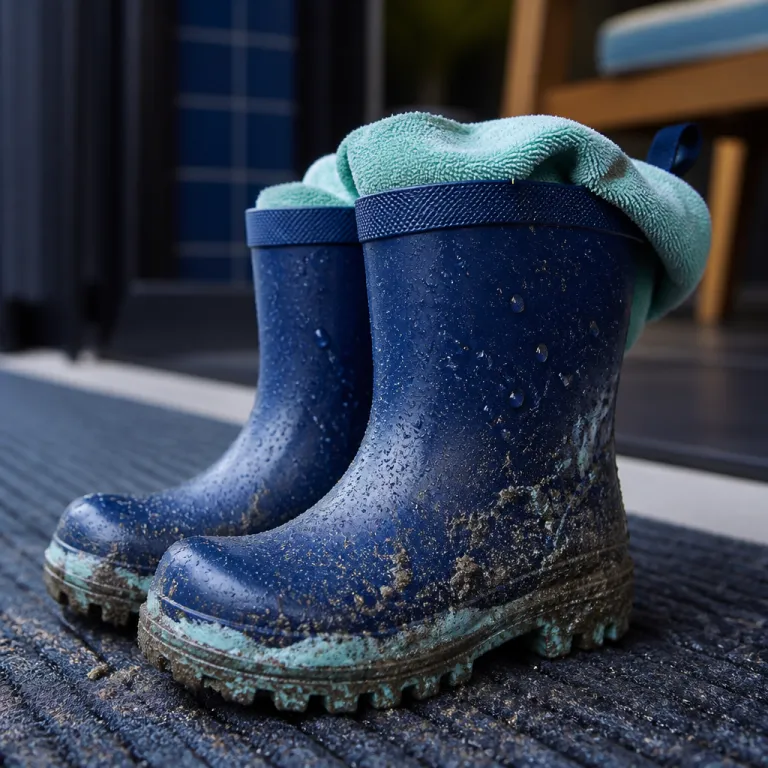
Choosing among family adventure luxury hotels in the USA starts with clarifying what kind of “dirty” you want your kids to get. Some families crave the structured challenge of a ranch, where horseback riding, fence mending and arena lessons anchor each day in the rhythm of the land. Others prefer a mountain resort where kids will come home with trail dust on their shoes and stories about spotting elk at sunrise.
Begin by mapping your family’s comfort with risk, remoteness and physical effort, then match that profile to specific hotels and resorts in the United States. A beach resort with a strong resort spa program might be ideal if you want a softer landing, with jet skiing, snorkeling and guided coastal hikes balanced by pool time and massages. A ranch or forest property suits families who want to lean into mud, weather and long days outside, accepting that the view from the room matters less than the stories told around the firepit.
When you contact a hotel, skip generic questions about whether it is family friendly and ask for concrete examples of multigenerational activities. Request sample daily schedules, ask how they handle mixed age groups and clarify what is included versus what carries an extra fee. If the reservations team responds with a detailed email outlining options tailored to your kids’ ages and interests, you are likely looking at a property that truly understands modern family travel.
Key figures shaping adventure focused family stays
- The percentage of families seeking adventure vacations has been reported at roughly two-thirds in recent Adventure Travel Trade Association and family travel surveys, confirming that experiential trips now dominate planning conversations for many parents.
- Bookings for family adventure–focused hotels and resorts have increased by around 20 % in recent hospitality trend analyses from major consulting firms and brand-level reports, signaling that demand for guided outdoor activities is growing faster than for traditional pool-and-buffet-centric stays.
- Many adventure-oriented properties in the United States now operate year round, adjusting programming seasonally so that winter brings snow-based activities while summer emphasizes hiking, paddling and wildlife viewing.
- Industry surveys show that families are willing to pay a measurable premium for access to professional guides and safety gear, reflecting a preference for structured risk over unplanned, self-guided outings.
FAQ about adventure driven luxury family hotels
What are adventure focused family hotels and resorts ?
Adventure focused family hotels and resorts are properties that build their core offering around outdoor activities designed for families to experience together. Instead of relying mainly on pools and playrooms, they emphasize guided hikes, paddling, horseback riding and other nature-based programs. The goal is to create shared memories that feel closer to a national park visit than a standard resort stay.
Are these adventure activities safe for children ?
Yes, when you choose reputable family adventure luxury hotels in the USA that invest in professional guides, proper safety gear and clear protocols. Many properties operate with strict age limits, guide-to-guest ratios and mandatory briefings before higher-risk activities like climbing or jet skiing. Parents should always ask detailed questions about training, certifications and emergency procedures before booking.
Do adventure oriented family hotels operate throughout the year ?
Many of these hotels and resorts in the United States run year round, shifting their activity mix with the seasons. A mountain property might offer skiing, snowshoeing and winter wildlife tracking in colder months, then pivot to hiking, biking and paddling in summer. Ranches and coastal resorts often adjust daily schedules to daylight hours and weather patterns while keeping a consistent focus on outdoor time.
How should families prepare for an adventure heavy luxury stay ?
Preparation starts with checking activity schedules in advance so you can pack the right clothing and footwear for your chosen destination. Families should bring layers, sun protection and any personal gear they prefer, while relying on the resort for technical equipment like helmets, harnesses and life jackets. It is also wise to review age restrictions and fitness requirements before promising specific activities to younger kids.
What questions should I ask before booking an adventure focused family hotel ?
Ask how the property defines family friendly programming and request examples of activities that adults and children do together rather than separately. Clarify guide qualifications, safety standards and whether key experiences are included in the nightly rate or priced à la carte. Finally, inquire about group sizes, cancellation policies for weather-dependent outings and any special perks for longer stays or repeat families.