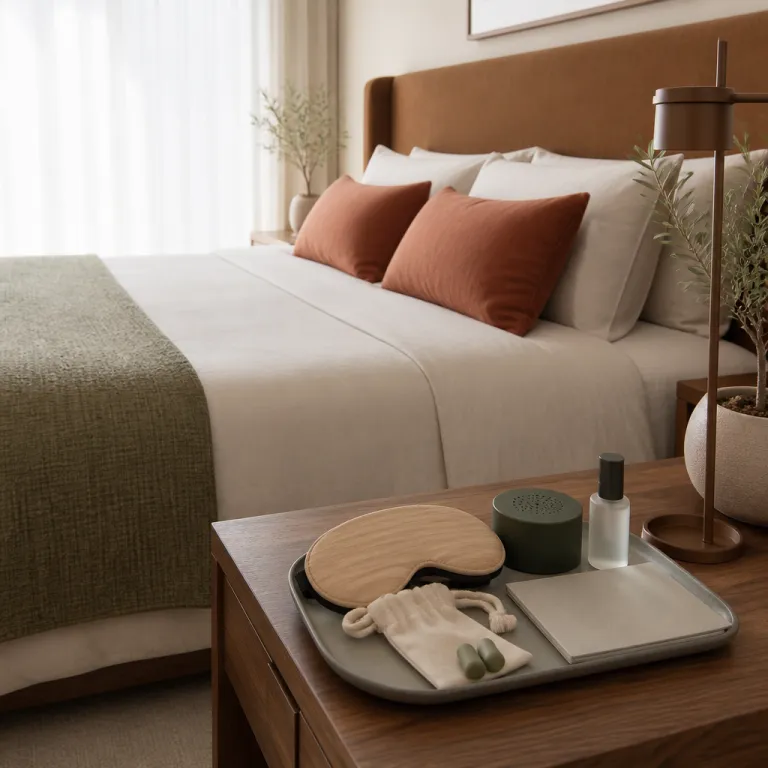
Why executives now book for sleep, not just status
Across the United States, the new benchmark for a sleep optimization luxury hotel USA stay is not the champagne welcome but the data on your morning dashboard. Business travelers who once chased red eye flights now treat sleep and wellness as non negotiable infrastructure for performance, folding recovery into every hotel booking. For this audience, a luxury property that cannot measurably improve sleep is simply misaligned with how they manage their body and mind.
Luxury hotels and resorts have responded with structured sleep protocols, turning the hotel room into a controlled environment for rest and cognitive reset. Industry actors such as Luxury hotels as implementers and Sleep specialists as consultants are formalizing programs designed to improve guest sleep quality, using tools like blackout curtains, soundproofing and circadian lighting to support deep night sleep. In a market where adults reporting daily sleep disturbances reach two thirds and those seeking improved sleep quality approach four fifths, the hotels that treat rest recovery as a core service rather than a side amenity are winning the loyalty of high value guests.
For executives extending a New York City board meeting into a long weekend, the choice of hotel now hinges on whether the suite is designed around circadian rhythm, not just skyline view. They ask in advance about sleep tourism offerings, request rooms with specialized sleep amenities and expect the hospitality team to explain how each feature will improve sleep over multiple nights. When guests feel that a property has engineered every detail of the room for a reliably good night rest, from temperature to timing of light exposure, they remember that stay as clearly as any headline deal.
From blackout curtains to circadian labs in disguise
The most advanced sleep optimization luxury hotel USA properties operate like discreet circadian labs, while still feeling unmistakably like places of leisure. Behind the scenes, wellness consultants and sleep technology companies collaborate with hotel design teams to calibrate light, sound and temperature so that guests experience an intuitive, soothing sleep experience rather than a clinical protocol. The innovation lies in integrating sleep science into hospitality without sacrificing the emotional warmth that makes guests feel genuinely cared for.
In practice, that means a suite or recovery suite where circadian rhythm lighting shifts from cool, alert tones in the morning to warm, melatonin friendly hues by evening, and where the spa menu includes treatments timed to support night rest rather than just daytime indulgence. Many hotels now pair these rooms with spa and wellness programs that align massage pressure, hydrotherapy and even hot springs style soaking pools with the body clock, turning a simple spa visit into a structured rest recovery sequence. As one reference guide on how luxury spas rewrote their summer menus shows, the most forward thinking hotels and resorts treat the spa as a nervous system reset, not just a place to pass time.
Guests at properties such as Equinox Hotel in New York City or the broader Equinox Hotels portfolio encounter rooms designed to minimize micro awakenings, with soundproofing, temperature zoning and bedding calibrated for deep sleep. These hotels use AI enabled tracking to analyze night sleep patterns and then will suggest real time adjustments, from pillow selection to pre bed stretching, to improve sleep quality on subsequent nights. When the spa, the room and the hotel wide wellness programming all align, the result is a seamless sleep experience that feels luxurious precisely because it is so quietly effective.
Where sleep science meets longevity and medical wellness
Sleep optimization has become the front door to longevity focused hospitality in the United States, especially for executives who see every hotel stay as a chance to extend health span. In this context, a sleep optimization luxury hotel USA stay is less about pampering and more about measurable gains in cognitive clarity, metabolic stability and emotional resilience. The guest who checks out healthier than they checked in is no longer a marketing fantasy but a design brief for serious wellness hotels.
Properties that lean into medical wellness often integrate sleep tourism into broader programs that include nutrition, movement and stress diagnostics, using the room as a nightly lab for rest recovery. A resort that caters to multi generational travelers might combine a family friendly spa menu with adult only recovery suite zones, echoing the way the modern family wellness resort has become America’s best multi generational trip format. In these hotels resorts, the same executive who spends the day on video calls can spend the evening in a spa or hot springs inspired circuit that is timed to support circadian rhythm and deep night sleep.
Ranch style properties and coastal retreats are particularly well suited to this longevity lens, because the land itself supports slower time and better rest. At a place like Post Ranch style retreats on the California coast or a carefully curated ranch inn in the Mountain West, the view, the silence and the cool night air are treated as active ingredients in the sleep experience. When hospitality teams frame these natural assets as part of a structured protocol to improve sleep, guests feel that every walk, every breath and every good night of rest is part of a long term wellness strategy rather than a fleeting escape.
Case studies: from urban sleep sanctuaries to coastal retreats
Across the country, a handful of properties illustrate how far the sleep optimization luxury hotel USA movement has evolved for discerning travelers. In Los Angeles, Hotel Figueroa has quietly layered sleep and wellness features into its historic architecture, using sound dampening, blackout shades and a targeted spa menu to create pockets of calm in the middle of the city. Guests who book higher category rooms or a suite often find that the combination of art, light control and thoughtful bedding turns a quick business trip into a surprisingly restorative night rest.
On the East Coast, Equinox Hotel in New York City has become a reference point for executives who treat rest recovery as seriously as their training schedule, and Equinox Hotels more broadly position sleep as a core performance tool. Here, the room is designed like a cocoon, with temperature regulation, advanced mattresses and circadian rhythm lighting all working together to improve sleep metrics across multiple nights. Many guests report that the hotel’s integrated approach to spa, fitness and room design delivers a sleep experience that feels closer to a personalized program than a standard hotel stay.
Along the Pacific, properties inspired by Post Ranch style design use cliffside views, minimal light pollution and carefully timed spa rituals to deepen night sleep. Even smaller ranch inn style hotels and independent resorts are adopting elements of these protocols, from curated pillow menus to quiet hours that protect the body’s natural cycles. For travelers comparing options on myusastay.com, the most compelling hotels are those where every detail, from the spa menu to the placement of the bed in the room, signals that sleep and wellness are not afterthoughts but the organizing principle of the stay.
The design challenge: making a sleep lab feel like a sanctuary
Designing a sleep optimization luxury hotel USA room that feels both scientific and sensual is one of the hardest problems in contemporary hospitality. Guests want the rigor of a lab grade sleep protocol, but they also want the emotional comfort of a beautifully layered room where they can exhale after a long day. The best hotels solve this by hiding the technology in plain sight, so that the space reads as warm and human while still being precisely engineered for rest.
In these rooms, every element is deliberately designed, from the angle of the headboard to the opacity of the curtains and the placement of dimmable lamps that support circadian rhythm. A spa or wellness zone might sit just beyond the sleeping area, with a spa menu that sequences treatments to prepare the body for night sleep rather than overstimulate it. Even the minibar and late night room service options are curated to improve sleep, favoring herbal infusions and light, protein balanced snacks over heavy, disruptive meals.
Hospitality teams are trained to explain these choices without slipping into jargon, helping guests feel both informed and at ease. When a front desk agent can answer, “What are hotel sleep protocols?” with “Programs designed to improve guest sleep quality.” and follow with, “Which hotels offer sleep programs?” and “Many luxury hotels globally; inquire directly.” and finally, “What amenities are included in sleep programs?” and “Blackout curtains, soundproofing, circadian lighting.” the property signals real expertise. Over time, this clarity builds trust, and guests begin to see the hotel not just as a place to pass time but as a partner in achieving consistently good night rest on the road.
FAQ
Why are luxury hotels investing so heavily in sleep programs ?
Luxury hotels are investing in structured sleep programs because a majority of adults report regular sleep disturbances and an even larger share actively seek better sleep quality. For high end business and leisure travelers, rest and wellness now rank alongside location and service when choosing a hotel. Properties that can measurably improve sleep gain repeat guests, stronger reputations and higher occupancy rates.
How can I tell if a hotel really supports better sleep ?
Look for concrete features such as blackout curtains, serious soundproofing, circadian rhythm lighting and clear explanations of how the room is designed for night sleep. Ask in advance whether the hotel offers dedicated sleep suites, recovery suite options or spa treatments timed to support rest recovery. A credible property will have staff trained to discuss these details and will treat sleep as a core part of its wellness and hospitality strategy.
What should I request when booking a sleep focused stay ?
When booking, request a quiet room away from elevators, with full blackout capability and access to any available sleep amenities or wellness programs. Ask whether the hotel can adjust room temperature, provide specific pillow types or align spa menu treatments with your preferred bedtime. If the property offers sleep tourism packages, inquire about how they track and help improve sleep across multiple nights.
Are sleep optimization suites only for wellness retreats and resorts ?
Sleep optimized rooms and suites began in wellness resorts, but they are now common in urban hotels that serve business travelers. Properties in cities such as Los Angeles and New York City increasingly offer performance focused rooms that combine spa access, advanced bedding and circadian lighting. These options allow guests to maintain a consistent sleep experience whether they are at a coastal ranch inn, a city tower or a family focused resort.
Do sleep protocols feel too clinical for a relaxing stay ?
Well executed sleep protocols are designed to feel seamless and calming, not medical or intrusive. The technology and science sit behind the scenes, while guests experience soft lighting, quiet rooms, supportive bedding and thoughtfully timed spa or wellness rituals. When done well, the room feels like a sanctuary first and a sleep lab only in the sense that it reliably delivers a good night rest.