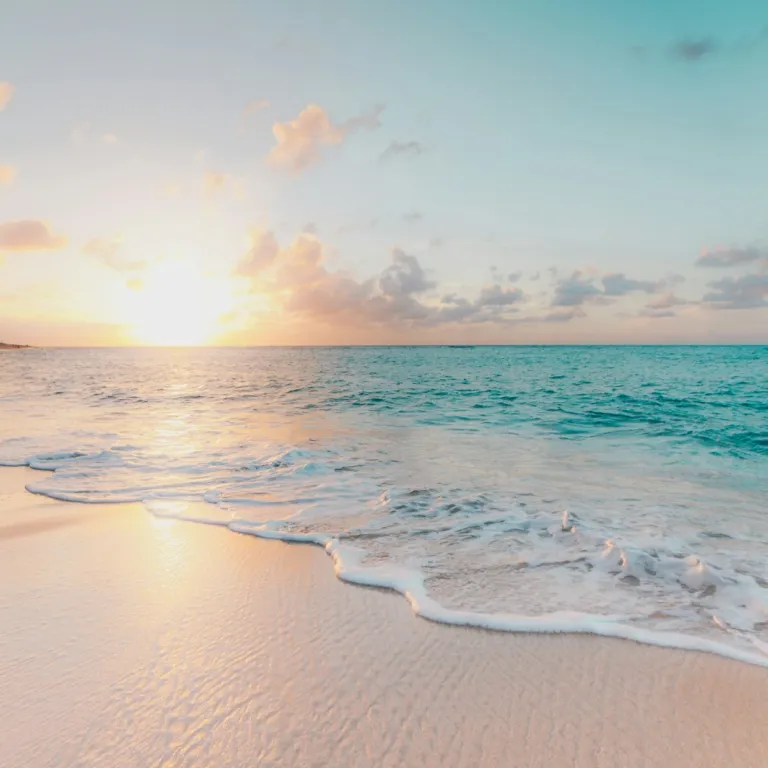
Few states put their shoreline to work the way Florida does. It is the only place in the United States that touches both the Gulf of Mexico and the Atlantic Ocean, which means two completely different moods sit a few hours apart. The west side runs calm and shallow, with water so clear and grains so pale they read almost white in photos. The Atlantic edge runs livelier, with surf, wider tides and a rhythm built for board sports. Anyone hunting for the best beaches in Florida is really choosing between those two temperaments first, then narrowing from there.
This guide ranks the stretches of shoreline that consistently earn their reputation, coast by coast. Each entry notes how to reach it, what the day on the beach actually feels like, where to stay nearby, and the sweep of sea that keeps travelers coming back. No filler. Just the spots worth building a trip around.
Why the Florida coast stands apart
Geography does most of the heavy lifting here. The state carries roughly 825 miles of sandy shoreline, more usable beach than any other state in the contiguous United States, and second only to Alaska in total coastline. The calm flank to the west collects the softest, whitest sand, much of it pure quartz washed down over millennia. The Atlantic to the east trades that fine grain for bigger swell, warmer seas and a long string of barrier islands. The south end tapers into the keys.
That split is the whole story. A family chasing knee-deep shallows and a flat horizon belongs on the calm gulf side. A surfer or a sunrise walker belongs on the Atlantic. The best beaches in Florida reward travelers who know which coast they want before they book a place to stay. Inland Orlando, with its theme parks, sits in the middle and feeds both shores, so a single road trip can sample one side one day and the other the next. A bit of planning up front goes a long way.

The best beaches in Florida, coast by coast
Siesta Key, Sarasota
If one spot defines the gulf coast, it is this one. The grain at Siesta Key is about 99 percent pure quartz, which is why it stays cool underfoot even when the afternoon turns brutal. Tripadvisor named it the top beach in America for 2025 and fourth in the world, and coastal scientist Stephen Leatherman, better known as Dr. Beach, has twice ranked it the finest in the United States. Access runs through Siesta Public Beach near Sarasota, with a large lot that fills early. The water sits clear and warm, the grain squeaks underfoot, and the whole stretch feels barefoot and unhurried. Upscale rental homes and a handful of boutique hotels sit within walking distance, plus easygoing restaurants a block back.
Clearwater Beach
Clearwater is the headliner of the gulf coast west of Tampa, and it wears the awards to prove it. It has held Tripadvisor's number one ranking in the United States in several different years and still places first statewide and among the top twenty worldwide. The sand is sugar white, the water warm and forgiving, and the area averages around 240 days of sunshine a year. A wide promenade lined with shops, restaurants and resorts backs the shore, so the energy stays social rather than secluded. This is the spot for travelers who want a real resort scene and an ocean view from the balcony.
St. Pete Beach
Just south of Clearwater, pete beach earns its own loyal following. It topped Tripadvisor's American ranking in 2021 and placed fifth in the world that year. The water stays calm and clear, the shore runs wide, and the sunsets pull a small crowd to the waterline every evening. Larger beachfront hotels anchor the central run, while the quieter ends suit anyone after the same warm gulf with fewer footprints. It is a good place to stay for a few nights and never move the car.

Anna Maria Island
Anna Maria Island feels like a quieter era before the high-rises arrived. Building height limits keep the skyline low, so the island reads as a string of throwback towns rather than a resort strip. The shallows are bath warm, the grain soft and pale. The pace is deliberately slow. Travelers who find Clearwater too busy tend to fall hard for this island, and the places to stay lean toward private cottages and small inns. Local kitchens serve fresh seafood within a short walk, and the gentle water suits kids.
Naples
Further south, Naples pairs a polished town with a genuinely lovely beach. The grain is fine and the sea glassy, and the famous pier gives the shoreline a focal point at sunset. This is the upscale end of the coast, where boutiques and good kitchens sit just behind the dunes. Travelers who want a refined base and an ocean view without the crowds of Tampa tend to settle in this area.
Destin and the Emerald Coast
Up in the panhandle, Destin trades pale grain for something stranger and more beautiful. The sand is pure Appalachian quartz, fine as sugar, and it reflects the light in a way that turns the water a vivid emerald green. People compare the color to the Caribbean, and on a clear day the comparison holds. Public access runs through spots like James Lee Park and Norriego Point, the latter prized for its glassy, sheltered cove. The lodging skews polished and golf-adjacent, with restaurants built around the catch of the day. It ranks among the finest the panhandle hides up north.

Pensacola Beach
At the western tip of the panhandle, Pensacola offers the same emerald grain with a more relaxed, locals-first feel. The shore is broad and the sea that signature green, backed by dunes and a low-key strip of bars and lodging. A national seashore protects much of the surrounding land, so long stretches stay wild and uncrowded. Travelers who want the emerald shallows without the resort density of the bigger towns point the car here.
Panama City Beach
A short drive east, Panama City offers the same emerald grain across a longer, broader run. It draws a bigger, more energetic crowd, with a developed strip of resorts, piers and arcades behind the dunes. The shallows keep that signature green, and the sheer width means there is room even on busy days. It suits families who want amenities and things to do within reach rather than isolation, and there is lots for kids around.
Bahia Honda State Park, the Keys
Down in the Keys, far to the south, Bahia Honda is the rare park that lives up to its photos. It covers more than 500 acres on a barrier island, with white sand sitting on a spur between the Atlantic and the gulf. Dr. Beach ranked it the finest in the country back in 1992, and it has aged gracefully. Three separate shores, Calusa, Loggerhead and Sandspur, share the grounds, each with its own character. The water glows turquoise, the snorkeling is genuine, and the old railroad bridge gives the place a postcard backdrop. Premium hotels cluster in the surrounding keys rather than on the beach itself.

Crandon Park, Key Biscayne
Miami's finest stretch of shoreline is not on South Beach. It is on Key Biscayne, where Crandon Park runs about two miles along Biscayne Bay. The shallows sit calm and clear, which makes it a quiet favorite with families who want the city close but the chaos far away. Palms back the beach, a nature center sits nearby, and the whole place feels softer than the neon strip across the causeway. Luxury resorts on the key cover the premium end, and the city's cruise port is one of the busiest in the world.
Cocoa Beach, the Space Coast
Switch to the Atlantic and the mood changes fast. Cocoa beach is the surf capital of the east coast, a wide and breezy run of shoreline with a famous pier and reliable rollers. Rocket launches from the nearby spaceport sometimes streak the sky, a sight no calm gulf beach can offer. Neighboring Port Canaveral is a major cruise hub, so a beach day pairs easily with a sailing. The surf is livelier and the crowd more active. Good lodging lines the front, and Orlando sits barely an hour inland for families splitting time between the rides and the waves.
Daytona Beach
Daytona beach closes out the Atlantic lineup with its famously hard-packed sand, firm enough that cars are still allowed on parts of it. The shore runs broad and long, the boardwalk hums, and the surf suits beginners and longboarders alike. It is less about seclusion and more about energy, a classic American beach town that has kept its appeal for generations. Resorts and condo towers stack along the oceanfront, with restaurants and arcades a few steps away.

Planning a Florida beach trip
Reaching these shores is easy, and a little travel planning pays off. Three airports do most of the work: Tampa for west coast classics like Clearwater and Siesta Key, Miami for Crandon Park and the drive south to the keys, and Orlando as the inland gateway within a two-hour reach of either ocean. Renting a car is the norm, since the best beaches in Florida are spread across the whole state rather than clustered in one city. A loop road trip lets travelers pair the rides with the shore.
Where to stay depends on the trip. The calm side rewards anyone who books a beachfront room with a direct water view, since the shallows and long sunsets are the main event. The Atlantic and the keys work well as a base for day trips, with marinas, cruise ports and nature reserves filling the hours between swims, plus lots for kids to do. Late winter through spring, roughly February to May, is the sweet spot statewide: warmer seas, low humidity, and the storm season still months away. These travel ideas hold up well year after year. Pack light, plan around the tide for the wider shores, and leave room for the long, unhurried evenings that make the trip worth it.
Florida beaches by the numbers
- Florida holds roughly 825 miles of sandy shoreline, the most of any state in the contiguous United States.
- It is the only state bordering both the Gulf of Mexico and the Atlantic Ocean, and ranks second nationally in total coastline behind Alaska.
- Siesta Key grain measures about 99 percent pure quartz and was named the top beach in America for 2025 by Tripadvisor.
- Clearwater Beach averages around 240 days of sunshine a year and has repeatedly held Tripadvisor's number one ranking in the United States.
- St. Pete Beach ranked first in America and fifth in the world in 2021.
- Bahia Honda State Park in the keys spans more than 500 acres and was named the finest in the country by Dr. Beach in 1992.
Frequently asked questions
What is the single best beach in Florida?
By the most recent rankings, Siesta Key holds the title. Tripadvisor placed it first in America and fourth in the world for 2025, and Dr. Beach has named it the country's finest more than once, largely on the strength of its cool quartz grain. Clearwater is the usual runner up and trades the top spot back and forth with Siesta Key depending on the year.

Which coast of Florida has the best beaches?
It depends on the day a traveler wants. The calm gulf side, including Siesta Key, Clearwater and pete beach, delivers gentle shallows and the whitest grain, which is why it dominates most best beaches Florida lists. The Atlantic, from Cocoa beach to Daytona beach, offers surf, sunrises and rocket launches instead. Neither coast is better outright, they simply suit different trips.
When is the best time to visit Florida beaches?
Late winter through spring, roughly February to May, hits the sweet spot. The seas turn warmer, the humidity stays low, and the summer storm season has not yet arrived. The west coast is especially pleasant in those months, with long stretches of clear, settled weather over the shore.
Are the best beaches in Florida free to access?
Most are. Public shores like Siesta Key and Clearwater cost nothing to enter, though parking can fill quickly and carry a fee. State parks such as Bahia Honda in the keys charge a modest entrance fee per vehicle, which funds the upkeep that keeps the beach in such good shape.